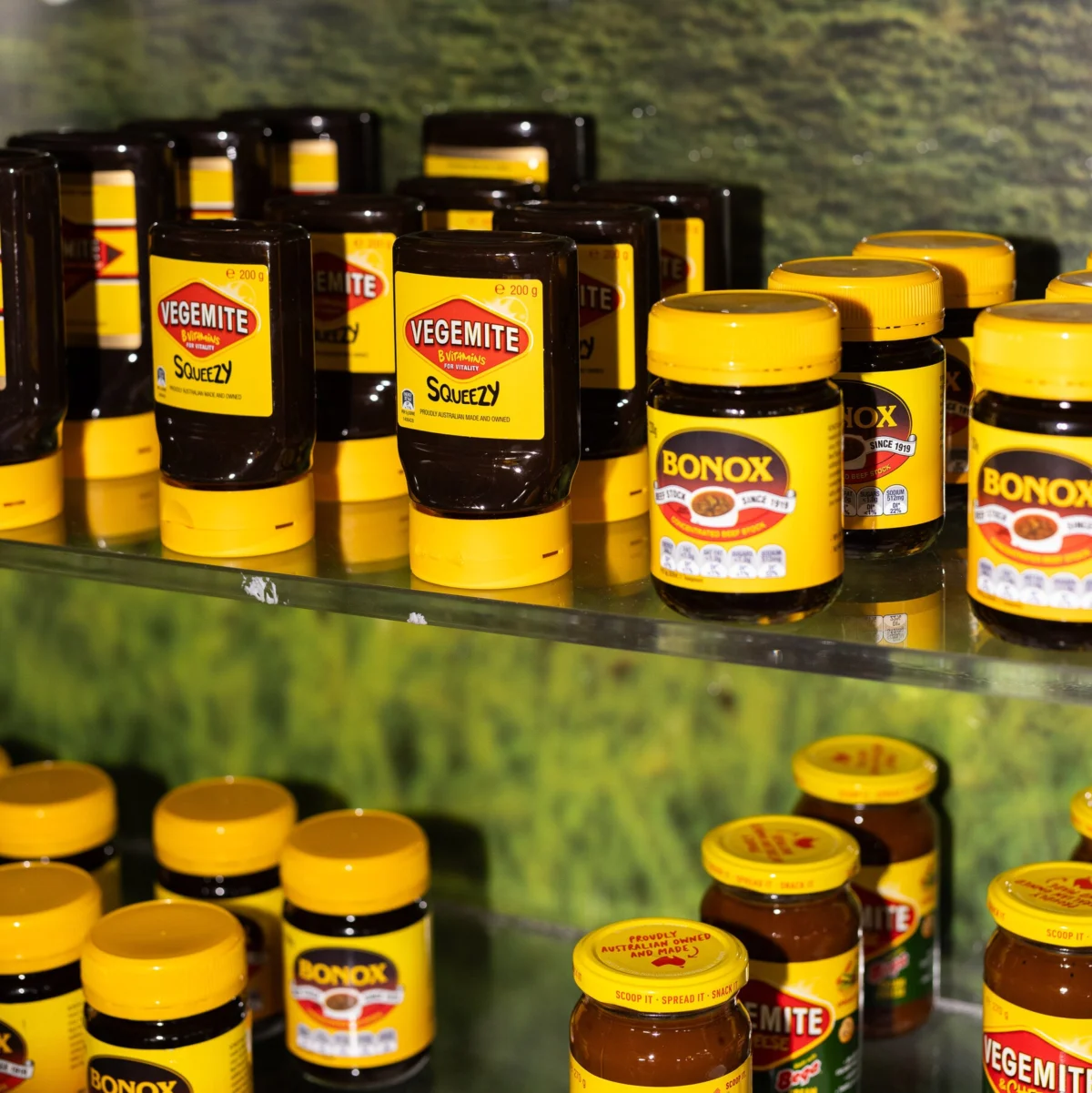
A convicted Australian murderer lost a legal challenge attempting to overturn a prison ban on Vegemite, after a judge ruled that restricting the spread did not outweigh institutional security needs. The prisoner argued that denying access to Vegemite infringed upon cultural rights tied to national identity, but the court found keeping drug dogs focused and cells free of illicit home brew more important.
The decision highlights ongoing debates within correctional systems about balancing inmate cultural expression with maintaining safe environments. It also touches on broader questions of how everyday items are regulated in high-security settings where contraband control is paramount.
KEY FACTS
- A convicted Australian murderer lost a bid to eat Vegemite in prison.
- 0 judge agreed Vegemite denial restricted cultural rights.
- 0 judge ruled security concerns outweighed cultural access.
THE STORY
What happens next?
The ruling confirms that even symbolically significant foods can be restricted in prisons when linked to potential security risks. While Vegemite itself is legal and widely consumed in Australia, authorities fear its use in producing homemade alcohol—a practice known as pruno-making. Drug detection dogs may react to residues from such brews, complicating searches and surveillance efforts.
This case reflects how global prison systems grapple with regulating culturally familiar foods that double as possible contraband vectors. Similar policies have emerged elsewhere involving bread, fruit, or yeast-based products. Courts typically defer to administrative discretion when health and safety justify limitations on personal choice.
Who is affected?
Inmates who identify strongly with national symbols like Vegemite face tangible restrictions during incarceration. For some, access to traditional foods helps preserve identity and morale amid confinement. Denying such items can heighten feelings of alienation or cultural disconnection, especially among Indigenous Australians who see Vegemite as part of shared heritage.
However, prison officials must enforce consistent rules across populations. Exceptions granted for one item might open precedent challenges for others—creating logistical burdens without clear benefits. Judges often avoid micromanaging internal operations unless fundamental liberties are clearly violated without justification.
How did we get here?
Legal frameworks governing correctional dietaries evolved alongside drug enforcement strategies targeting informal economies inside facilities. As synthetic substances replaced natural fermentation methods, scrutiny intensified around any ingredient capable of enabling covert distillation processes. Vegemite contains yeast extract, raising concerns despite low alcohol potential.
Previous lawsuits worldwide challenged blanket prohibitions citing religious or dietary needs. Most settled through limited accommodations rather than full reversals. Here, no major civil rights organizations publicly supported the prisoner’s argument, suggesting narrow legal precedent exists for overturning standard contraband classifications based solely on cultural relevance arguments.
WHAT WE KNOW — AND WHAT WE DON’T
Verified by the source:
- The prisoner was convicted of murder in Australia.
- A judge acknowledged cultural rights were restricted by denying Vegemite.
- Security concerns led the judge to uphold the Vegemite ban.
Still unconfirmed:
- Exact year or location of the conviction or trial.
- Names of involved judges or legal representatives.
- Detailed reasoning behind linking Vegemite specifically to home brewing.
- Whether appeals or further litigation will occur.
WHY IT MATTERS
This ruling underscores the ongoing tension between respecting individual dignity and ensuring institutional discipline within carceral settings. It raises awareness about how mundane objects become entangled in deeper discussions around autonomy, belonging, and state authority—issues relevant far beyond a single spread jar.
WHAT TO WATCH
No official statements have been issued regarding possible appeals or updated prison food policies following this judgment.