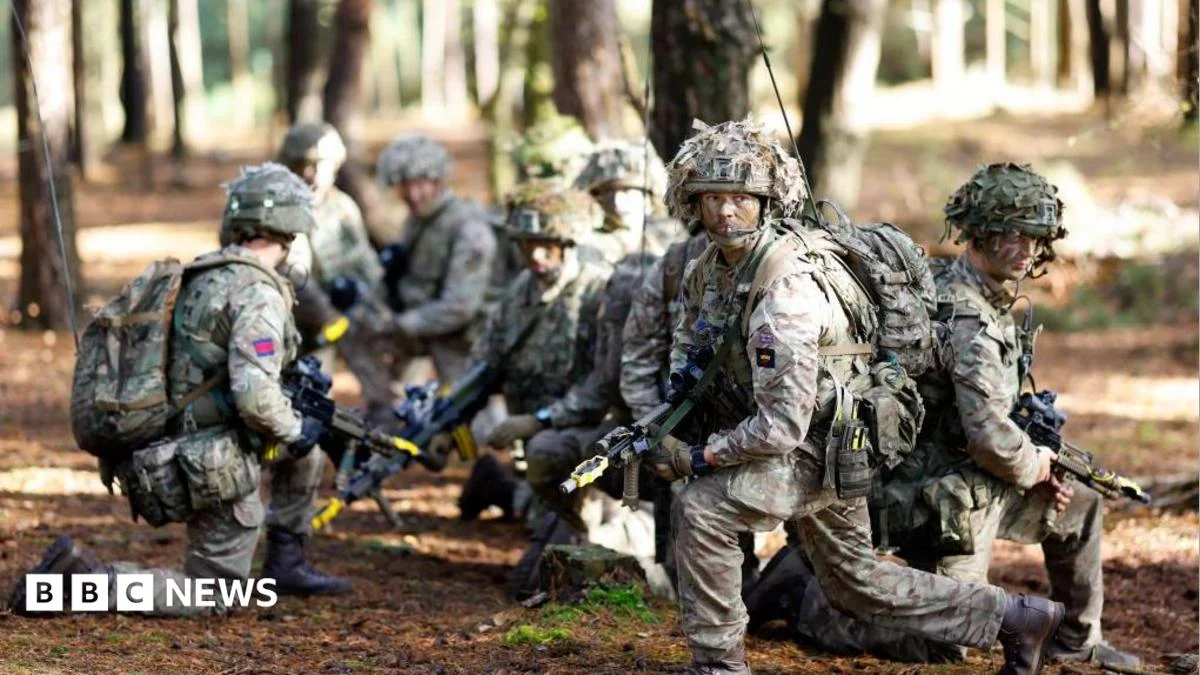
The British Army has instructed units not currently preparing for deployment to scale back on non-essential training exercises due to financial pressures. This cost-cutting measure comes as the UK military faces budget constraints that have forced a reassessment of operational expenditures.
According to BBC News, the directive applies specifically to units not on immediate deployment rotation. While core readiness requirements remain unchanged, non-essential field exercises and training programs are being curtailed across garrisons and bases. Military analysts suggest this reflects broader fiscal challenges facing UK defense spending.
KEY FACTS
- British Army units not preparing for deployment must reduce training exercises
- Cost-saving measure implemented due to financial pressures
- Directive affects UK-based forces not on immediate deployment status
- Core operational readiness requirements remain unaffected
What Does This Mean for Military Readiness?
The decision to scale back training raises questions about long-term preparedness impacts. While essential combat skills maintenance will continue, specialized exercises and large-scale maneuvers may see reductions. Defense experts note that sustained training cuts could eventually affect unit cohesion and tactical proficiency if prolonged.
The Budget Pressure Context
This measure reflects ongoing financial challenges facing UK defense budgets after years of real-terms cuts. The British Army has faced particular pressure as military spending priorities shifted toward naval and air capabilities. Previous efficiency drives have targeted equipment purchases and infrastructure, making training budgets an increasingly visible target for savings.
WHAT WE KNOW — AND WHAT WE DON’T
Verified by the source:
- The British Army has ordered cuts to non-essential training for non-deploying units
- Cost pressures prompted the decision
- The directive originates from army command levels
Still unconfirmed:
- Specific percentage or monetary value of expected savings
- Which exact training programs will be affected
- Duration of these cost-cutting measures
- Potential ripple effects on recruitment and retention
WHY IT MATTERS
Military training reductions signal the difficult trade-offs facing armed forces during budget constraints. While apparently minor, sustained cuts to exercises could gradually degrade operational capabilities at a time when global security demands remain high. The decision also highlights broader debates about proper defense funding levels.
WHAT TO WATCH
Observers will monitor whether these training reductions remain temporary or become prolonged. Future defense budget announcements may clarify whether this represents a short-term measure or sustained policy change.