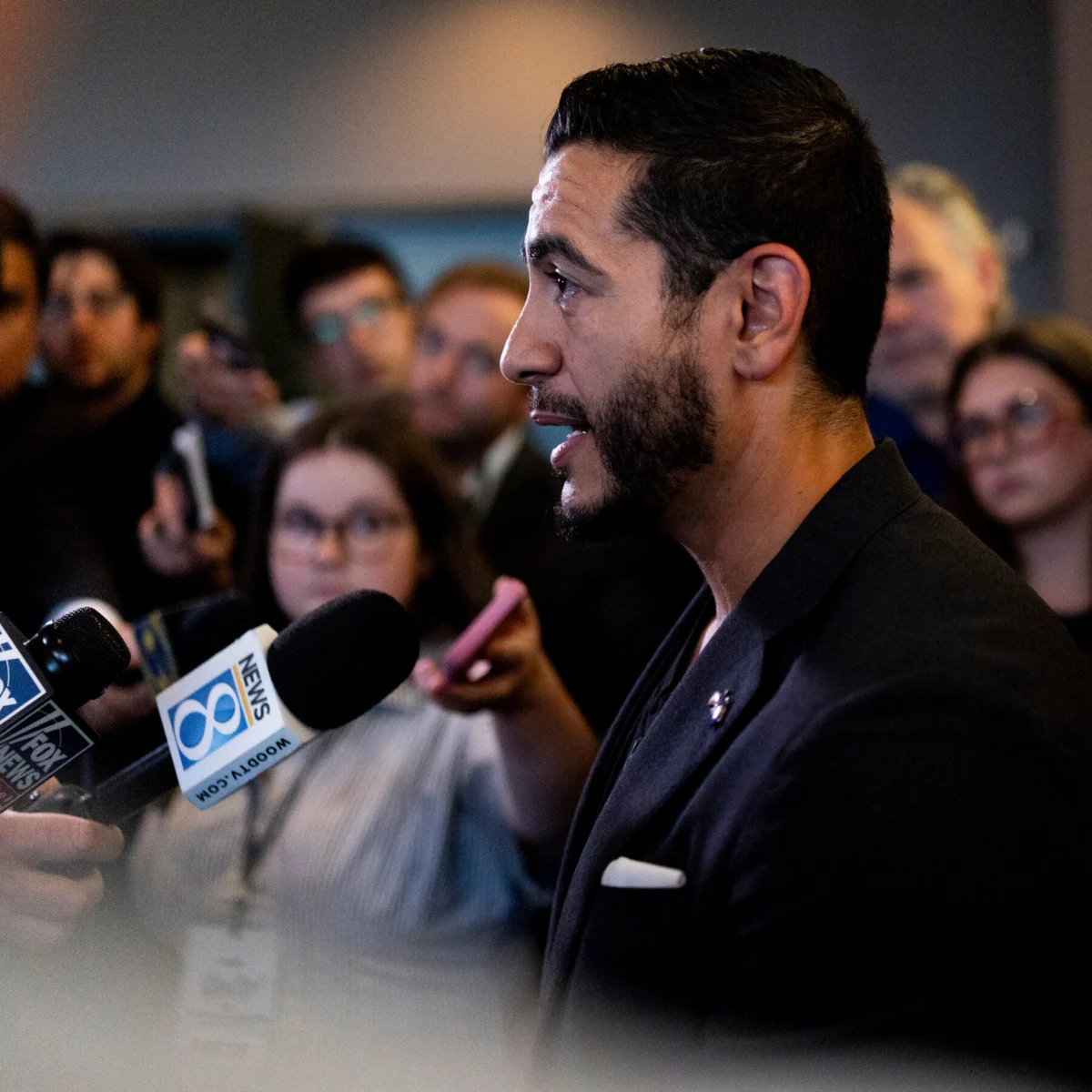
Under pressure, the Democratic Senate nominee in Michigan rejected a commentator’s argument that the U.S. has caused more terrorism than Al Qaeda. The nominee, Abdul El-Sayed, responded after public scrutiny over online remarks made by political commentator Hassan Piker.
El-Sayed’s rejection came amid growing concern that the terrorism comments could complicate his campaign messaging. His response aimed to clarify his own stance while distancing from controversial views tied to his public profile.
Key Facts
- The Democratic Senate nominee in Michigan is Abdul El-Sayed.
- Hasan Piker argued the U.S. caused more terror than Al Qaeda.
- El-Sayed rejected Piker’s argument under pressure.
- The issue created political headaches for El-Sayed’s campaign.
- The controversy centers on public terrorism comments.
Who Is Affected?
The immediate impact falls on El-Sayed’s electoral prospects. Public association with inflammatory terrorism comments can shift voter perception, especially in competitive races. Democratic leadership typically expects candidates to align with mainstream party messaging. When outside voices amplify polarizing views, nominees often face pressure to respond quickly.
El-Sayed’s campaign chose to distance rather than defend, signaling strategic caution. This reflects broader norms in U.S. politics where candidates manage external controversies tied to their visibility. The terrorism comments debate highlights how digital-era discourse complicates traditional campaign boundaries.
How Did We Get Here?
El-Sayed rose to national prominence as a progressive voice advocating healthcare reform and social justice. His media appearances increased after becoming a known figure in Democratic circles. Piker, a political commentator, gained attention for provocative takes often shared across streaming platforms.
When Piker made the terrorism claim comparing U.S. actions to Al Qaeda, critics linked it to El-Sayed’s past appearances. Despite no formal endorsement, the association became politically costly. El-Sayed’s eventual rejection followed sustained criticism from party-aligned voices worried about electoral risks.
What We Know — and What We Don’t
Verified by the source:
- Abdul El-Sayed is the Democratic Senate nominee in Michigan.
- Hasan Piker made a claim about U.S. terror compared to Al Qaeda.
- El-Sayed rejected Piker’s argument under political pressure.
- The stance created challenges for El-Sayed’s campaign.
- The controversy involves public terrorism-related statements.
Still unconfirmed:
- Exact timing or context of Piker’s original comments.
- Specific wording used by either figure.
- Details about internal campaign discussions.
- Whether Piker responded to El-Sayed’s rejection.
- Long-term electoral impact on El-Sayed’s race.
Why It Matters
Campaign controversies involving terrorism comments often reflect deeper tensions within parties balancing populism with mainstream appeal. How nominees handle outside criticism affects voter trust and party cohesion during election cycles.
What To Watch
El-Sayed may face continued questions about aligning with progressive commentators. Further statements from Piker or additional endorsements could reshape the dynamic ahead of November.