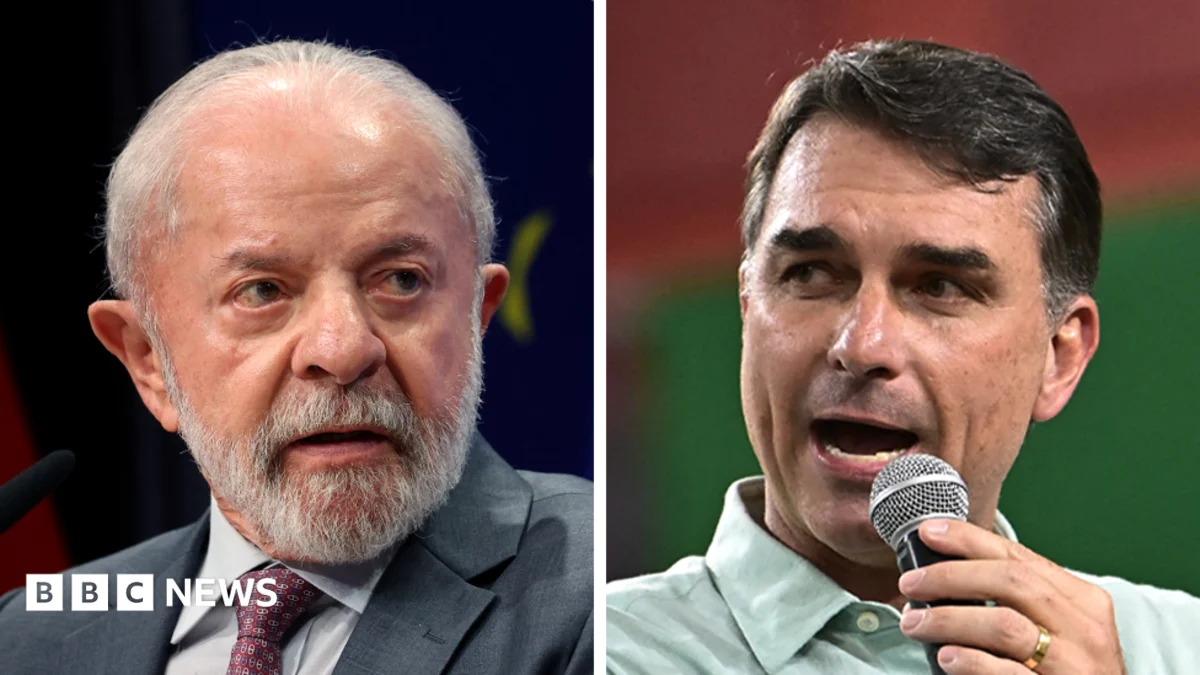
Brazil holds a high-stakes election between left-wing incumbent Luiz Inácio Lula da Silva and right-wing rival Flávio Bolsonaro, with polls indicating a tightly contested race. The contest reflects deep political divides in the country, as voters weigh competing visions for Brazil’s future. Flávio Bolsonaro, the son of former president Jair Bolsonaro, carries forward the legacy of his father’s conservative leadership style.
KEY FACTS
- Brazil election pits left-wing incumbent against right-wing rival.
- Polls suggest a closely run contest between the two candidates.
- Luiz Inácio Lula da Silva is the left-wing incumbent.
- Flávio Bolsonaro is the right-wing rival.
Who Is Facing Whom?
The Brazil election features a rematch of ideological extremes, with Luiz Inácio Lula da Silva representing the left and Flávio Bolsonaro the right. Lula previously served as president from 2003 to 2010 and seeks a return to office. Flávio Bolsonaro, a sitting senator, is the son of Jair Bolsonaro, who led Brazil from 2019 to 2022 and lost a 2022 presidential rematch to Lula.
The pairing underscores how Brazilian politics remains polarized around the legacies of these two former leaders. Lula’s base favors social programs and poverty reduction, while Bolsonaro supporters emphasize law-and-order policies and conservative values. Both candidates have drawn on personal histories and national debates to frame their campaigns.
As the Brazil election approaches, campaign messaging focuses heavily on economic recovery, public safety, and democratic norms. The race also reflects tensions over how to address inequality, crime, and corruption — issues that have shaped Brazilian governance for decades.
What Happens Next?
Voters will head to the polls in an electoral process that could determine whether Lula returns to the presidency or whether Flávio Bolsonaro extends his family’s political influence. International observers often monitor Brazilian elections closely due to the country’s regional and global significance. Early voting procedures vary, but results typically influence markets, diplomatic relations, and domestic policy discussions across Latin America.
A narrow margin would likely prompt scrutiny over vote counting and potential recount mechanisms. Political alliances formed during the campaign may shift depending on outcome, especially among smaller parties that hold balance-of-power leverage. The Brazil election outcome could reshape coalitions and affect legislative agendas for years ahead.
Media coverage plays a central role, as candidates use televised debates, rallies, and digital outreach to appeal directly to undecided voters. Misinformation campaigns have historically complicated public understanding, prompting concerns about transparency and trust in institutions involved in administering the vote.
WHAT WE KNOW — AND WHAT WE DON’T
Verified by the source:
- The election features a left-wing incumbent versus a right-wing rival.
- Polling indicates a closely run contest between the two candidates.
Still unconfirmed:
- Exact polling percentages and margins separating the candidates.
- Official dates for debates, early voting periods, and election day.
- Campaign finance details or endorsements from key political figures.
WHY IT MATTERS
The Brazil election holds global significance because Brazil is among the largest democracies in Latin America, with substantial influence on regional stability, trade partnerships, and climate policy decisions affecting the Amazon rainforest and beyond.
WHAT TO WATCH
All eyes turn to official poll releases and campaign events leading up to voting, as momentum shifts may clarify whether the Brazil election ends in a clear victory or another turbulent disputed result. See more in our politics and economy and markets archives.