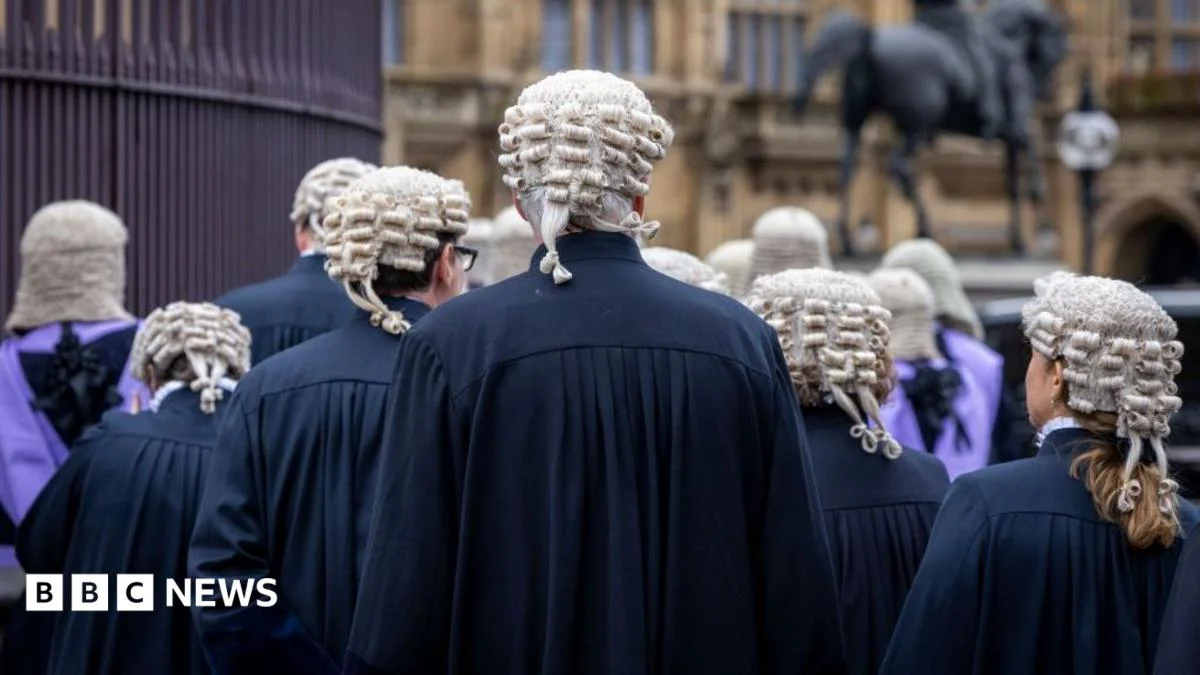
Manchester Mayor Andy Burnham has scrapped controversial plans to curb jury trials, overturning a key policy previously announced by former Justice Secretary David Lammy. The decision marks a major reversal on reforms that had drawn sharp criticism from legal groups and opposition figures.
The proposal, which would have restricted public access to jury trials in certain civil cases, had been championed by David Lammy during his tenure as Justice Secretary. However, mounting pushback from legal professionals and civil liberties advocates appears to have prompted the shift. Burnham stated that the measure was not delivering its intended goals and would be withdrawn entirely.
KEY FACTS
- Manchester Mayor Andy Burnham has cancelled plans to restrict jury trials.
- The policy was originally announced by David Lammy, former Justice Secretary.
- The move follows widespread criticism from legal experts and civil society.
How Did We Get Here?
The now-cancelled initiative was first introduced as part of broader justice reforms aimed at reducing delays in the court system. David Lammy, who served as Justice Secretary before the most recent government reshuffle, framed the changes as necessary to streamline civil litigation. Under the original proposal, defendants in some civil disputes could have been denied the right to a jury trial unless specific thresholds were met.
Legal commentators warned that limiting jury trials would erode access to justice for ordinary citizens, particularly those involved in housing, employment, or defamation cases. Civil liberties organizations also raised concerns about transparency and accountability in the judicial process. These objections appear to have influenced Mayor Burnham’s decision, signaling a responsiveness to public and professional feedback.
The policy also faced scrutiny over its implementation timeline and ambiguity in drafting. Critics questioned how “thresholds” for jury eligibility would be defined and enforced, raising fears of inconsistent application across courts. Parliamentary oversight committees had signalled interest in reviewing the measure, though no formal hearings took place before its cancellation.
What Happens Next?
With the jury trial restrictions officially scrapped, attention may turn to alternative strategies for addressing court backlogs. Legal experts suggest that investment in digital infrastructure and additional judicial staffing could serve as more effective solutions than limiting procedural rights. The Ministry of Justice has not yet confirmed whether new reform packages will be proposed.
Stakeholders are waiting to see if Mayor Burnham or other regional leaders will champion replacement policies. Advocacy groups say they remain vigilant and intend to monitor future proposals closely. For now, existing jury trial protections in civil matters stand unchanged.
What We Know — and What We Don’t
Verified by the source:
- The jury trial restriction plan has been cancelled.
- David Lammy previously announced the policy while serving as Justice Secretary.
- Andy Burnham, Mayor of Manchester, made the decision to scrap the plans.
Still unconfirmed:
- Exact reasons or internal communications behind the policy reversal.
- Whether the government intends to introduce new judicial reform measures.
- Specific types of civil cases originally targeted by the restrictions.
Why It Matters
Jury trials are a cornerstone of civic participation in the justice system. Rolling back or weakening access to them affects how communities engage with legal processes. This cancellation reflects ongoing tension between efficiency and fairness in public institutions, a debate central to democratic accountability and politics nationwide. The outcome may also inform future discussions around justice reform in the context of economic and social priorities.
What To Watch
Legal watchdogs and advocacy groups say they will be monitoring further developments in judicial policy. No public timeline has been set for any replacement reforms.