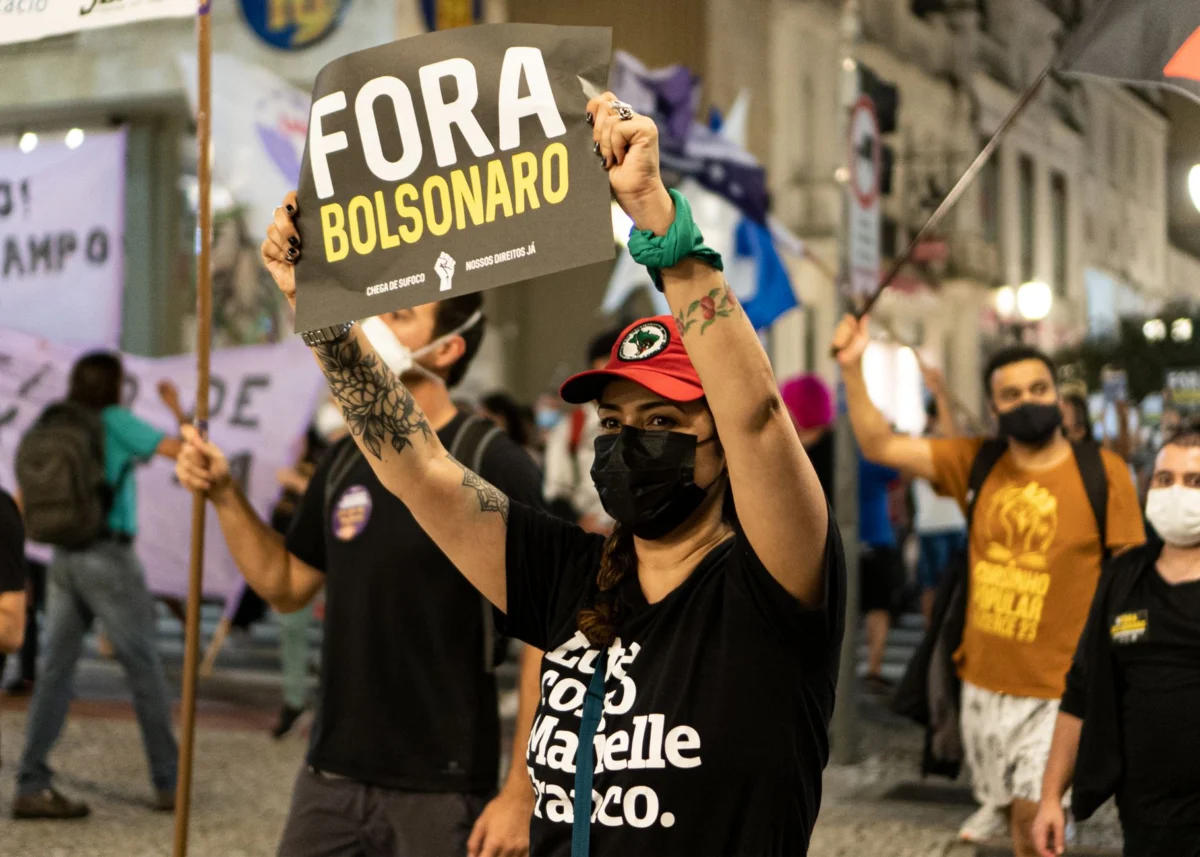
BRASÍLIA — Brazil’s presidential race has come down to a contest between Senator Flávio Bolsonaro and President Luiz Inácio Lula da Silva after both candidates topped the first round of voting and earned enough support to force a runoff on October 25.
The outcome of the October 4 vote confirmed that no single candidate secured an outright majority, setting up a head-to-head contest that will decide who leads Latin America’s largest democracy for the next four years. The runoff will take place on Oct. 25, as required by Brazilian electoral law when no candidate crosses the 50% threshold in the opening round.
KEY FACTS
- Senator Flávio Bolsonaro and President Luiz Inácio Lula da Silva finished 1st and 2nd in Brazil’s election first round.
- A runoff between the two leaders is scheduled for October 25.
- No candidate reached 50% of the vote in the opening round.
- The runoff will determine the next president of Brazil.
- Lula is a former president seeking a return to office.
Who Is Affected?
All eligible Brazilian voters will be impacted by the results of the Oct. 25 runoff, though turnout and preferences may vary widely across regions. The winner takes full executive authority over a country of more than 200 million people, meaning domestic and foreign policy direction could shift depending on who prevails.
Brazilian law requires a second round if no candidate wins an absolute majority in the first round, which was the case here. This means the next president will emerge only from the two strongest performers, potentially leaving millions of voters whose preferred candidate was eliminated without representation in the final choice.
What Happens Next?
National attention now turns to the weeks leading up to October 25, when Bolsonaro and Lula will campaign directly against each other for the first time in a structured debate format. Polling trends, media coverage, and campaign events will shape public perception before the decisive ballot.
The Brazilian Electoral Court oversees the integrity of the process, ensuring transparency during the transition. International observers regularly monitor elections of this scale, though their specific role in this edition has not been detailed by the source reporting these results.
WHAT WE KNOW — AND WHAT WE DON’T
Verified by the source:
- Flávio Bolsonaro led the first round of Brazil’s presidential election.
- Luiz Inácio Lula da Silva was the runner-up in the first round.
- A runoff vote is set for October 25.
- No candidate won a majority in the opening round.
Still unconfirmed:
- Exact vote totals for each candidate
- Number of valid votes cast overall
- Regional split breakdowns favoring either candidate
- Final campaign strategies ahead of Oct. 25
WHY IT MATTERS
This election carries significant weight for regional stability, economic policy direction, and democratic norms in one of the world’s largest emerging markets. The outcome reflects ongoing debates about governance, social programs, security, and environmental stewardship that affect nearly 280 million citizens across South America and beyond.
WHAT TO WATCH
Expect increased campaign activity and polling updates in the coming weeks as both sides prepare for the final stretch leading to October 25.
One meta description: Brazil’s presidential race heads to a October 25 runoff after Flávio Bolsonaro and Lula top the first-round vote.