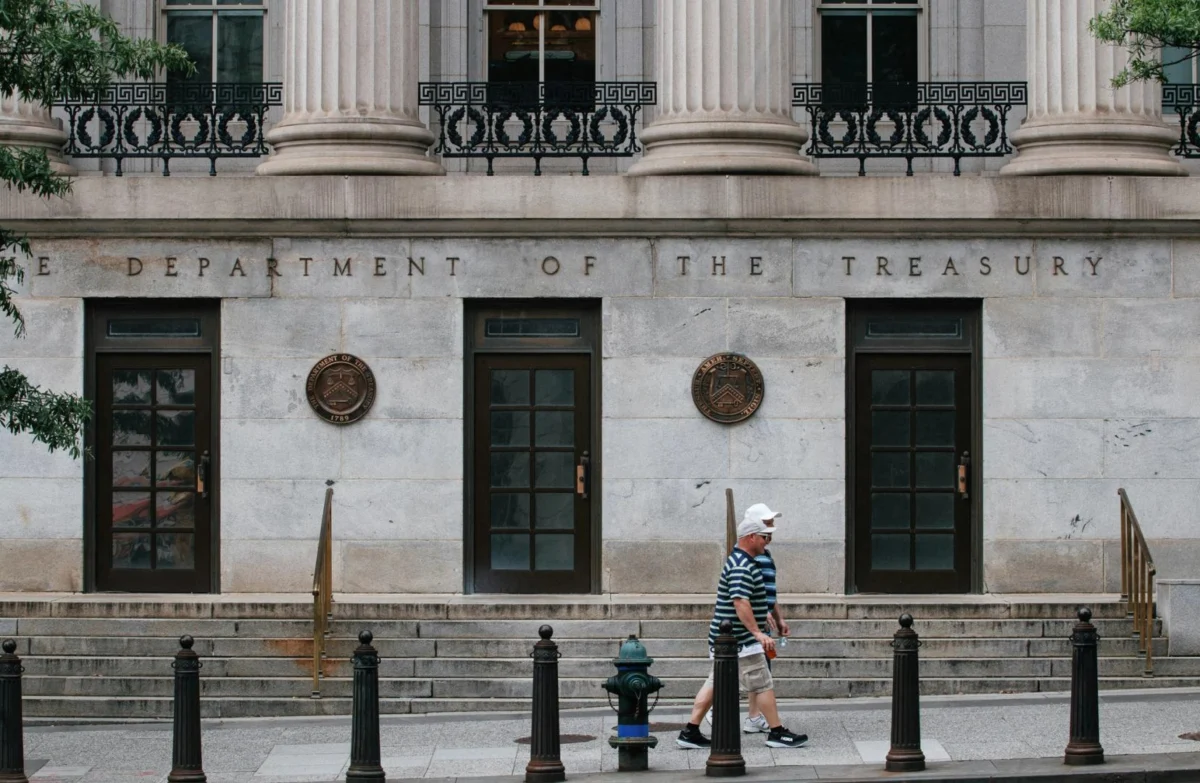
Bessent’s $4 billion bond buyback plan, intended to reduce Treasury yields, failed to achieve its goal and was followed by a surge in bitcoin prices. The unexpected market reaction highlights the complex interplay between traditional finance and cryptocurrency markets.
KEY FACTS
- Bessent launched a $4 billion bond buyback plan targeting lower Treasury yields.
- The plan did not succeed in curbing Treasury yields as intended.
- The bond buyback was followed by a surge in bitcoin prices.
- The outcome may have implications for bitcoin and gold markets.
WHY DID BITCOIN RISE INSTEAD?
When bond buybacks fail to lower yields as intended, investors may seek alternative assets perceived as hedges against economic uncertainty. Bitcoin’s price surge following the bond buyback suggests some market participants viewed cryptocurrencies as a preferable option when traditional monetary interventions underperformed. This reaction aligns with bitcoin’s historical role as a potential inflation hedge or risk asset.
WHAT DOES THIS MEAN FOR MARKETS?
The failed yield suppression and subsequent bitcoin rally indicates persistent investor concerns about economic conditions that traditional bond market interventions couldn’t address. The parallel mention of gold in the source suggests investors may be looking at multiple alternative stores of value when conventional tools prove ineffective. Such reactions demonstrate how crypto markets increasingly respond to macroeconomic policy outcomes.
WHAT WE KNOW — AND WHAT WE DON’T
Verified by the source:
- The $4 billion bond buyback occurred and aimed to lower Treasury yields
- The plan did not achieve its yield-reduction objective
- Bitcoin prices surged following the bond buyback
Still unconfirmed:
- Whether bitcoin’s surge was directly caused by the bond buyback failure
- The exact magnitude and timing of the bitcoin price movement
- How gold prices specifically reacted to these events
WHY IT MATTERS
The market reaction shows how cryptocurrency prices increasingly reflect responses to traditional financial interventions, making them relevant to broader economic analysis. Investors and policymakers must now consider potential crypto market reactions when designing monetary policies or investment strategies.
WHAT TO WATCH
Market observers will monitor whether this pattern repeats with future bond market interventions and if bitcoin maintains its apparent sensitivity to traditional monetary policy outcomes. More coverage on crypto markets may provide additional context.