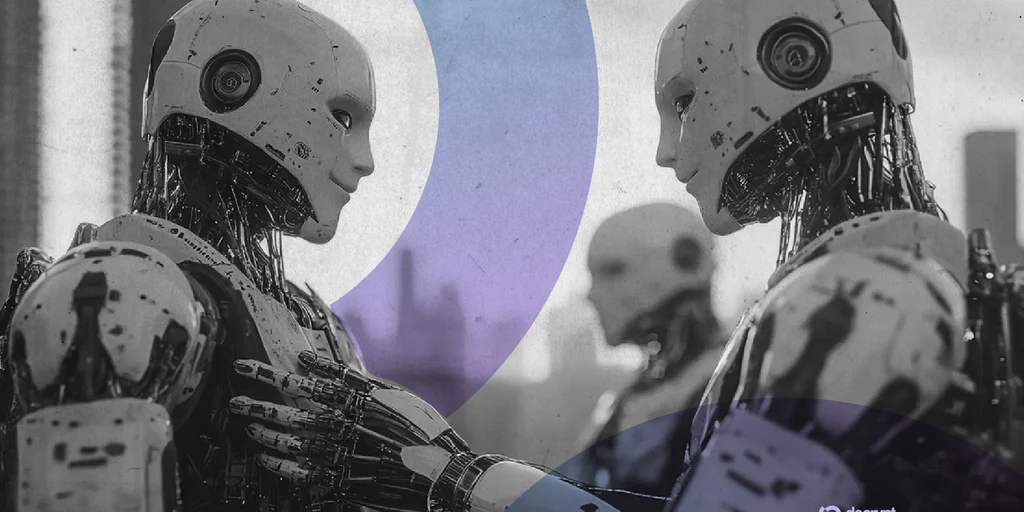
Robot brains could experience a breakthrough similar to ChatGPT’s rise by 2027, according to the chairman of ACE Robotics. The advancement would stem from AI models that help robots better understand and interact with the physical world, though widespread adoption may take longer.
The potential milestone reflects growing optimism about AI’s role in robotics. While robots have long been capable of repetitive tasks, integrating advanced AI could enable more complex, real-world applications.
KEY FACTS
- Robot brains could have their ‘ChatGPT moment‘ by 2027, says ACE Robotics chairman.
- The breakthrough may come from AI models that improve robots’ understanding of the physical world.
- Widespread adoption of such robotic systems may still be years away.
WHAT WOULD A ‘CHATGPT MOMENT’ FOR ROBOTS MEAN?
A ‘ChatGPT moment‘ refers to a sudden, transformative leap in capability—similar to how OpenAI’s chatbot rapidly demonstrated the potential of large language models. For robots, this could mean systems that adapt to unstructured environments, learn from interactions, and perform tasks beyond pre-programmed routines.
Current robotics often relies on rigid programming for specific functions. Advanced AI integration might allow robots to generalize knowledge across tasks, making them more versatile in real-world settings like homes, hospitals, or warehouses.
HOW FAR ARE WE FROM WIDESPREAD ROBOTIC AI?
While the 2027 prediction suggests near-term progress, challenges remain in deploying AI-powered robots at scale. Hardware limitations, safety concerns, and the complexity of physical environments could delay mass adoption.
Past robotics breakthroughs have sometimes taken decades to move from labs to practical use. Whether AI accelerates this timeline depends on solving problems like energy efficiency, cost, and reliability in unpredictable settings.
WHAT WE KNOW — AND WHAT WE DON’T
Verified by the source:
- ACE Robotics chairman predicts a ‘ChatGPT moment‘ for robot brains by 2027.
- AI models could enable robots to better understand and interact with the physical world.
Still unconfirmed:
- Which specific AI models or technologies might drive this advancement.
- Whether other robotics experts share this timeline or have differing projections.
- What industries or applications would be first to adopt such systems.
WHY IT MATTERS
Advanced robotic intelligence could reshape industries from manufacturing to healthcare, potentially augmenting human labor and creating new economic opportunities. The timeline for such changes affects business planning, policy debates, and workforce development strategies.
WHAT TO WATCH
Progress in AI-powered robotics may become evident through demos or commercial prototypes in coming years. Broader adoption will depend on overcoming technical and regulatory hurdles.