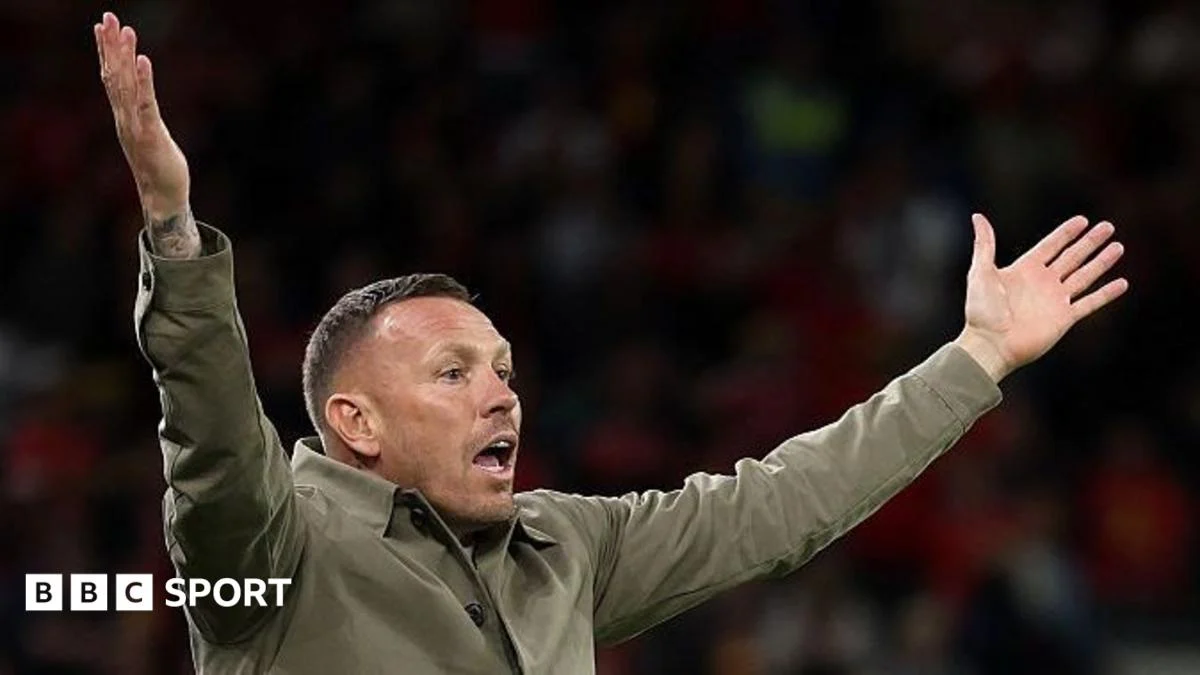
Lede
Craig Bellamy has blamed the new four-match international window for contributing to Wales’ Nations League defeat against Denmark. Speaking after Sunday’s loss, Bellamy suggested that the increased fixture load may be having a negative impact on the team’s performance. His comments highlight growing concerns about player fatigue and scheduling in international football.
The new international window, introduced to provide teams with more opportunities for competitive fixtures, has sparked debate among managers and players alike. Bellamy’s criticism reflects broader tensions between the desire for more matches and the risk of overburdening players.
KEY FACTS
- Craig Bellamy Bellamy criticized the new international window after Wales’ loss to Denmark.
- Wales lost to Denmark in the Nations League on Sunday.
- Bellamy Bellamy specifically mentioned the new international window as a factor in the defeat.
- The new international window features four matches, increasing fixture congestion.
The Impact of Fixture Congestion
The Nations League was designed to replace friendly matches with competitive fixtures, offering teams more meaningful games between major tournament cycles. However, the new format has intensified discussions around player welfare. With clubs reluctant to release players for extended periods, and national teams aiming to build chemistry, the balance between competition and rest remains delicate.
Bellamy’s remarks come at a time when FIFA and UEFA are reviewing international match calendars. The goal is to reduce burnout while maintaining the integrity and appeal of international football. His voice adds weight to calls for reform, especially from those directly involved in managing player schedules.
How Did We Get Here?
The new international window represents a shift in how international football operates. Traditionally, teams had limited chances to face each other outside of major tournaments. The expanded Nations League aims to fill that gap, but unintended consequences have emerged. Coaches like Bellamy argue that frequent interruptions disrupt club momentum and leave players vulnerable to injury or exhaustion.
This isn’t the first time a coach has questioned the structure. Previous managers have expressed similar frustrations, particularly when facing smaller nations where the margin for error is narrower. Yet, with commercial interests tied to more matches, change has been slow. Bellamy’s post-match comments may fuel renewed conversations about scheduling priorities in global football.
What We Know — and What We Don’t
- Verified by the source:
-
- Craig Bellamy made public comments after the Wales vs Denmark match.
- Wales lost the match in the Nations League on Sunday.
- Bellamy linked the defeat to the new four-match international window.
- Still unconfirmed:
-
- Exact wording of Bellamy’s statements.
- Whether other Wales staff shared his views.
- Specific data on player fatigue related to the new window.
Why It Matters
The debate over the international match calendar affects every level of football — from players enduring long seasons to fans wondering why top talent often sits out minor fixtures. As governing bodies seek profitability, voices like Bellamy’s serve as reminders that sustainability must remain central to sport.
What To Watch
Future statements from football authorities or additional commentary from coaches could clarify whether there will be changes to the international match calendar. Updates from UEFA regarding fixture adjustments would signal if concerns about the new international window are being formally addressed.