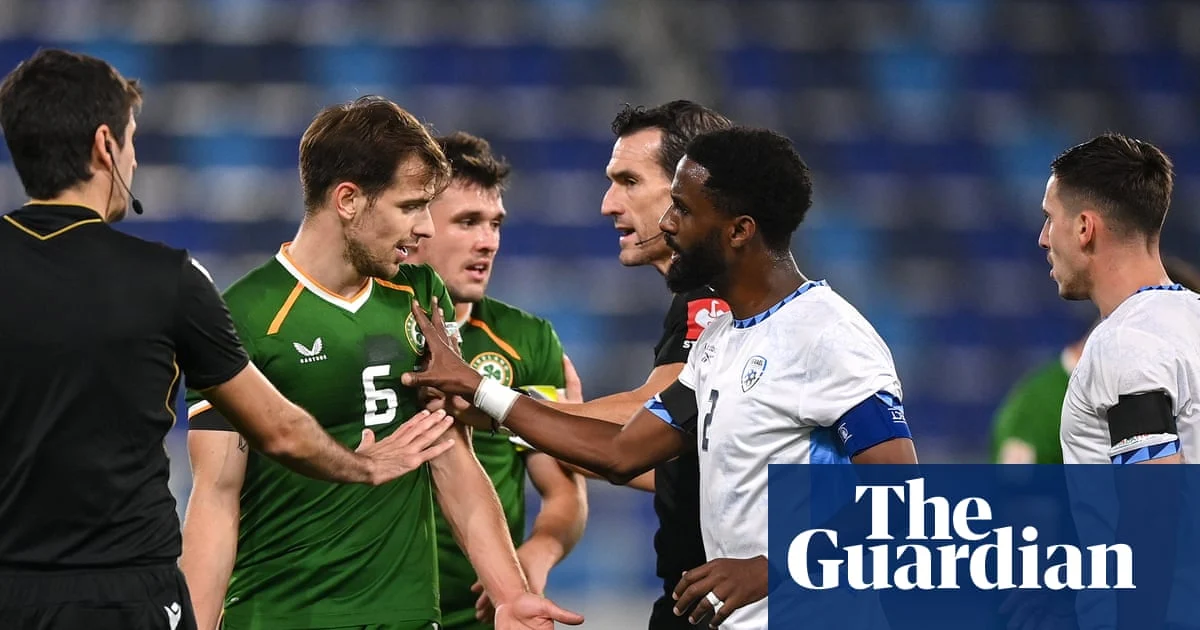
Republic of Ireland manager Heimir Hallgrímsson has urged Uefa to separate his side from Israel in future draws, following a hard-fought Nations League draw played behind closed doors in Serbia. The match ended in a draw, adding to what Hallgrímsson described as a difficult set of fixtures between the two teams. He asked Uefa to consider keeping the sides apart going forward, though he declined to discuss a half-time confrontation that occurred during the game.
Hallgrímsson admitted that the repeated meetings between Ireland and Israel have been challenging, and said the situation is better left to a disciplinary committee rather than public commentary. The game was played without spectators at TSC Arena in Backa Topola, Serbia.
A member of Hallgrímsson’s backroom staff allegedly reported being spat at by an Israeli player during the half-time incident, though no formal accusation was made public by the manager himself. Hallgrímsson emphasized that such matters should be handled through proper channels rather than media discussion.
Key Facts
- Hallgrímsson called on Uefa to keep Ireland and Israel apart in future draws.
- Ireland were held to a draw in a behind-closed-doors match in Serbia.
- Hallgrímsson declined to comment on a half-time confrontation.
- A member of his staff alleged being spat at by an Israeli player.
- He said such matters should be left to a disciplinary committee.
Why Future Draws Are Under Scrutiny
The request to separate Ireland and Israel in future draws stems from growing tension surrounding their competitive meetings. While Uefa controls fixture allocation for European international competitions, the body does not typically intervene in draw procedures unless extraordinary circumstances arise. Hallgrímsson’s appeal reflects concerns over player conduct and crowd control in politically sensitive fixtures. Such matches often carry additional scrutiny due to broader geopolitical tensions. Uefa has previously issued guidance regarding the participation of teams from conflict-affected regions, and any repeated incidents could prompt further action.
What Happens Next for the Teams?
Ireland and Israel remain in the same Nations League group, meaning additional meetings are possible depending on knockout-stage qualification. If tensions persist, Uefa may review security protocols or adjust scheduling practices for affected clubs. The governing body has not yet responded publicly to Hallgrímsson’s request, though internal discussions could shape upcoming draw procedures. Disciplinary reviews into the half-time incident may also influence travel and hospitality arrangements for future fixtures. Both teams will continue competing in their respective campaigns while Uefa evaluates whether special measures are needed to ensure safety and fairness.
What We Know — and What We Don’t
Verified by the source:
- Hallgrímsson called for separation in future draws.
- The match ended in a draw in Serbia.
- A staff member alleged being spat at by an Israeli player.
- Hallgrímsson referred the matter to a disciplinary committee.
Still unconfirmed:
- No specific scoreline was reported.
- No official response from Uefa has been issued.
- The identity of the alleged spitter has not been disclosed.
Ireland’s next fixture and whether Uefa will honor Hallgrímsson’s request remain unknown.
This situation sits within broader debates about neutrality and inclusion in international football, especially when clubs compete amid regional conflicts. Uefa has faced pressure in recent years over how it manages politically charged fixtures. Keeping teams apart in future draws may reduce friction, but it also raises questions about sporting integrity and equal treatment across member associations. These considerations affect not only players and coaches but also fans and broadcasters tied to international football coverage. Explore more under sports.
What To Watch
Uefa has not yet responded to Hallgrímsson’s appeal, and no timeline for a ruling has been announced. Further updates may follow after the disciplinary review concludes.
Ireland manager Heimir Hallgrímsson appealed to Uefa to avoid repeat clashes with Israel after a tense behind-closed-doors draw, citing ongoing strain from their recent meetings. The match took place without fans at TSC Arena in Backa Topola, Serbia.