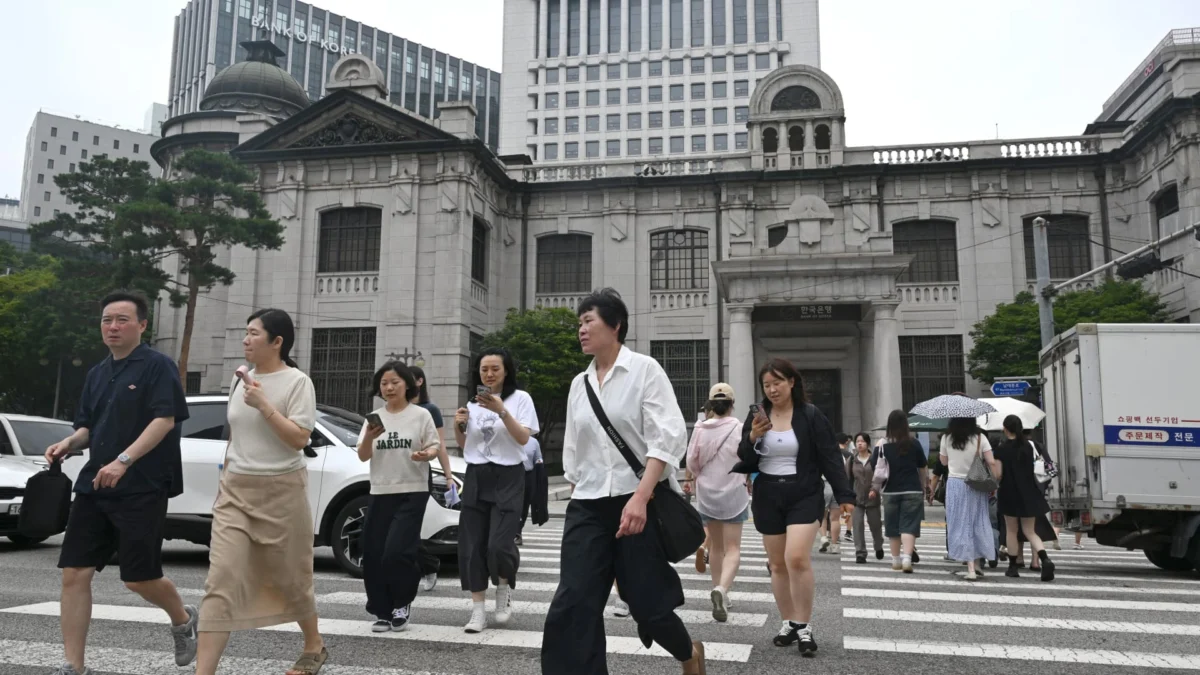
The Bank of Korea has raised its benchmark interest rate by 25 basis points to 3%, marking its highest level since January 2025, as officials continue efforts to curb elevated core inflation. This move follows a previous hike and aligns with market expectations.
The decision reflects ongoing concerns about price stability in South Korea’s economy, where inflationary pressures have persisted despite global economic uncertainties. The central bank’s action signals a continued focus on bringing inflation under control through monetary policy tightening.
Key Facts
- Bank of Korea increased rates by 25 basis points to 3%
- Current rate is the highest since January 2025
- Move comes as core inflation remains elevated
- Rate hike was in line with expectations
Why Another Rate Hike?
The consecutive rate increases suggest the Bank of Korea views inflationary pressures as more persistent than originally anticipated. Core inflation, which excludes volatile food and energy prices, appears particularly stubborn, requiring continued monetary policy response despite potential impacts on economic growth.
What This Means for South Korea’s Economy
Higher interest rates typically slow economic activity by making borrowing more expensive for businesses and consumers. The Bank of Korea must balance inflation control with maintaining economic growth, a challenging task in the current global environment of slowing demand and supply chain uncertainties.
What We Know — and What We Don’t
Verified by the source:
- Bank of Korea implemented a 25 basis point rate hike
- New benchmark rate stands at 3%
- This is the highest rate since January 2025
- Decision was in line with market expectations
Still unconfirmed:
- Specific inflation figures driving the decision
- Projections for future rate changes
- Impact assessment on various economic sectors
- Voting breakdown among policymakers
Why It Matters
Interest rate decisions by major central banks have global ripple effects, influencing investment flows, currency values, and economic growth prospects. South Korea’s move reflects ongoing challenges facing policymakers worldwide as they attempt to rein in inflation without triggering recessions.
What To Watch
Markets will monitor upcoming inflation data and the Bank of Korea’s communications for signals about whether this rate hike cycle has peaked or if further increases remain possible. The central bank’s next policy meeting will be particularly noteworthy for assessing the direction of monetary policy.