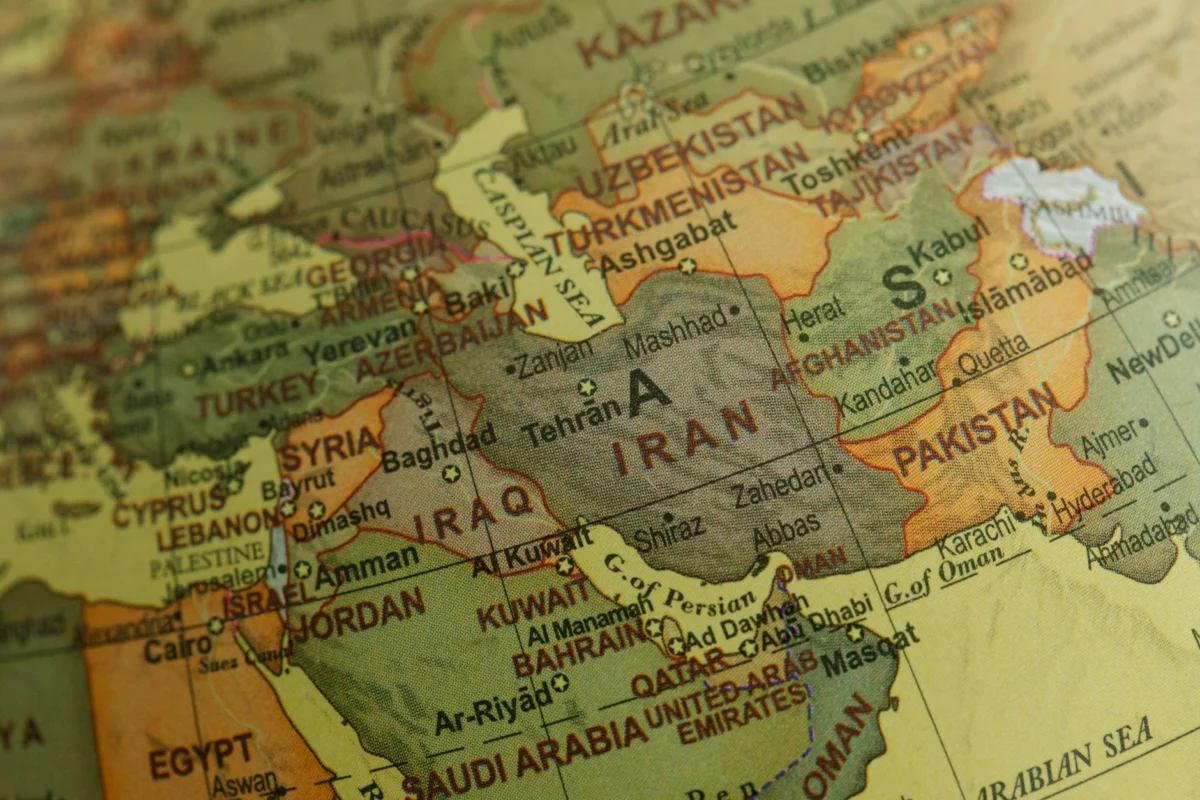
Bahrain’s interior ministry reported that, at 04:12 GMT, a swarm of four armed drones slammed into a government building in Manama, shattering windows and setting off an alarm system.
Just six hours earlier, U.S. warplanes had bombed two Iranian facilities in eastern Iran, targeting what Washington described as “terrorist infrastructure.”
In a terse statement, the ministry accused Iran of a “targeted drone attack” and vowed to “defend the sovereign territory of the Kingdom of Bahrain”.
What happened on the ground?
Witnesses described the drones as buzzing low over the capital before diving toward the Ministry of Interior headquarters. No casualties were reported, but the impact forced the evacuation of dozens of civil servants and caused structural damage estimated at $2‑3 million.
Security footage released by Bahrain’s telecom regulator shows the four UAVs—each roughly the size of a small car—approaching from the southeast, a direction consistent with the Iranian coastline.
Why does this matter?
The incident arrives at a volatile moment: the United States and Iran have been locked in a tit‑for‑tat cycle of strikes since early March, and both sides have warned that any misstep could ignite a broader conflict across the Gulf.
For global oil markets, even a hint of escalation can spike Brent crude by $1‑$2 per barrel, as traders price in the risk of supply disruptions through the Strait of Hormuz.
For everyday citizens in Bahrain and neighboring Saudi Arabia, the threat is immediate—air raid sirens have been tested, and schools have moved classes to secure shelters.
What are the international reactions?
The United Kingdom’s ambassador to Bahrain called the drone incident “concerning” but refrained from assigning blame, urging “restraint from all parties.”
Iran’s foreign ministry denied involvement, labeling the Bahrain accusation as “baseless propaganda” and accusing the U.S. of “fabricating a pretext to justify further aggression.”
Meanwhile, the United Nations Security Council is expected to convene an emergency session later this week to discuss the escalating tit‑for‑tat strikes.
What happens next?
Bahrain has activated its air defence network and has asked allied forces, including the United Kingdom and the United States, to provide additional reconnaissance aircraft.
Analysts at the Gulf Centre for Strategic Studies predict a “dangerous escalation ladder,” where each side may feel compelled to respond with increasingly sophisticated weapons.
Stay tuned as the region teeters between diplomatic talks and a possible broader aerial confrontation.
For more on how Middle‑East tensions affect economy and markets, follow our continuing coverage.