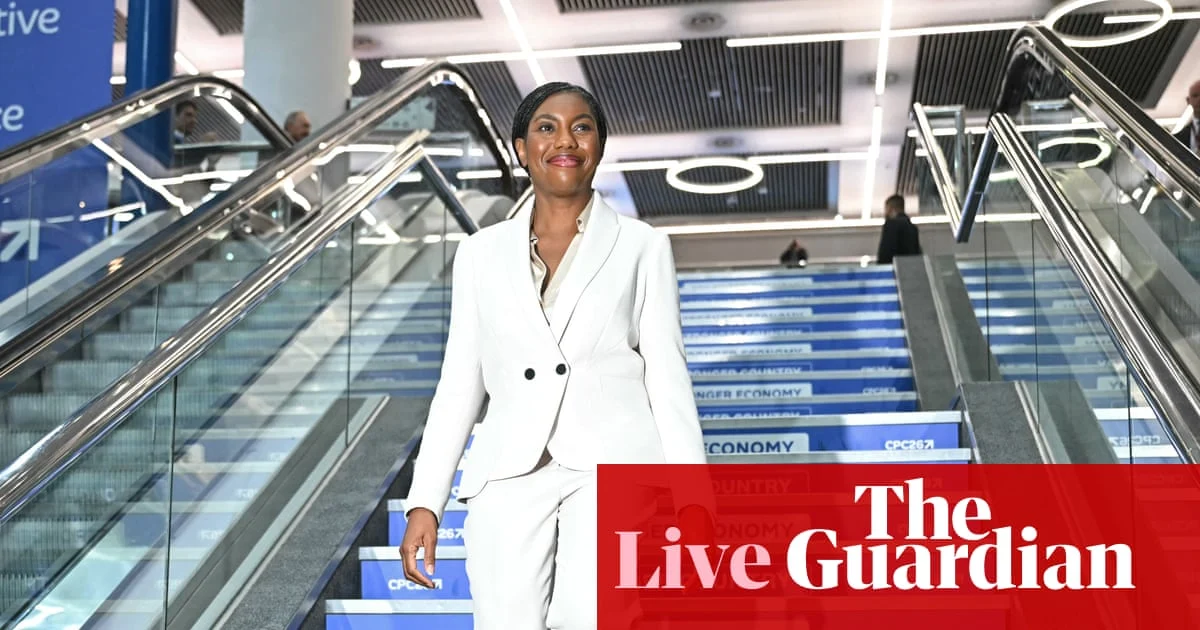
In a statement suggesting limited policy reversals ahead, Kemi Badenoch signaled that the Conservative Party will not roll back Labour’s triple lock pensions legislation. During an interview, she also declined to preview tax cut proposals, directing attention to a forthcoming speech. This follows Andy Burnham’s recent call to modify the triple lock mechanism by 2030.
The triple lock pensions system ensures that state pensions rise annually by the highest of average wages, inflation, or a minimum guaranteed percentage. Introduced to protect retirees’ incomes, it has been a point of contention between parties over fiscal sustainability. Badenoch’s stance suggests continuity in pension policy despite broader economic challenges facing the UK.
Key Facts
- Badenoch indicated Conservatives will not reverse Labour’s triple lock pensions legislation.
- Andy Burnham proposed changing the triple lock mechanism from 2030 in his party conference speech.
- Badenoch deferred tax cut proposals to her upcoming speech, citing timing constraints.
- Triple lock pensions refer to annual increases based on wages, inflation, or minimum threshold.
- Speech timing caused confusion with conflicting reports of 11:15am and 12pm schedules.
The Story
What happens next?
Badenoch’s upcoming speech is expected to clarify her party’s fiscal priorities, particularly regarding taxation and public spending. With Labour having implemented the triple lock mechanism, any reversal would require legislative action. However, current indications suggest minimal deviation from existing policy frameworks. The speech timing discrepancy highlights media coordination challenges during political events.
Burnham’s proposal to revise the triple lock mechanism by 2030 reflects ongoing debates about long-term fiscal sustainability. His suggestion implies potential adjustments to how pension upratings are calculated, which could impact millions of retirees. These discussions underscore the delicate balance between protecting pensioner incomes and managing national debt concerns. Policymakers face scrutiny over intergenerational equity as they navigate these complex trade-offs.
Who is affected?
Millions of UK pensioners currently benefit from the triple lock guarantee, ensuring their state pension keeps pace with rising living costs and wage growth. Any modification to this system would directly impact their financial security, especially amid inflationary pressures. Younger generations may also feel indirect effects through tax implications and national budget allocations affecting public services.
While Badenoch signals maintaining status quo on pensions, her reluctance to detail tax cuts leaves voters uncertain about broader economic strategies. The Conservative Party’s approach contrasts with Labour’s proactive reforms, setting the stage for competitive policy narratives ahead of future elections. Both parties must address voter confidence amid economic uncertainty.
What We Know — and What We Don’t
Verified by the source:
- Badenoch stated Conservatives won’t reverse Labour’s triple lock legislation.
- She postponed tax cut details until her upcoming speech.
- Burnham suggested revising the triple lock mechanism by 2030.
- Speech timing confusion arose between BBC reports and public statements.
Still unconfirmed:
- Specific details of proposed tax cuts were not disclosed.
- No official timeline beyond 2030 was provided for policy changes.
- Exact content or outcomes from Badenoch’s upcoming speech remain unknown.
- Public response and parliamentary reactions were not reported.
Understanding the trajectory of triple lock pensions helps contextualize broader economic policies affecting citizens nationwide. Pension security remains a cornerstone issue influencing voter decisions across demographics. As political figures outline visions, transparency becomes crucial for democratic accountability moving forward.
What to Watch
All eyes turn to Badenoch’s scheduled speech where further clarifications on fiscal strategies are anticipated, potentially reshaping public discourse around taxation and social protections shortly thereafter.