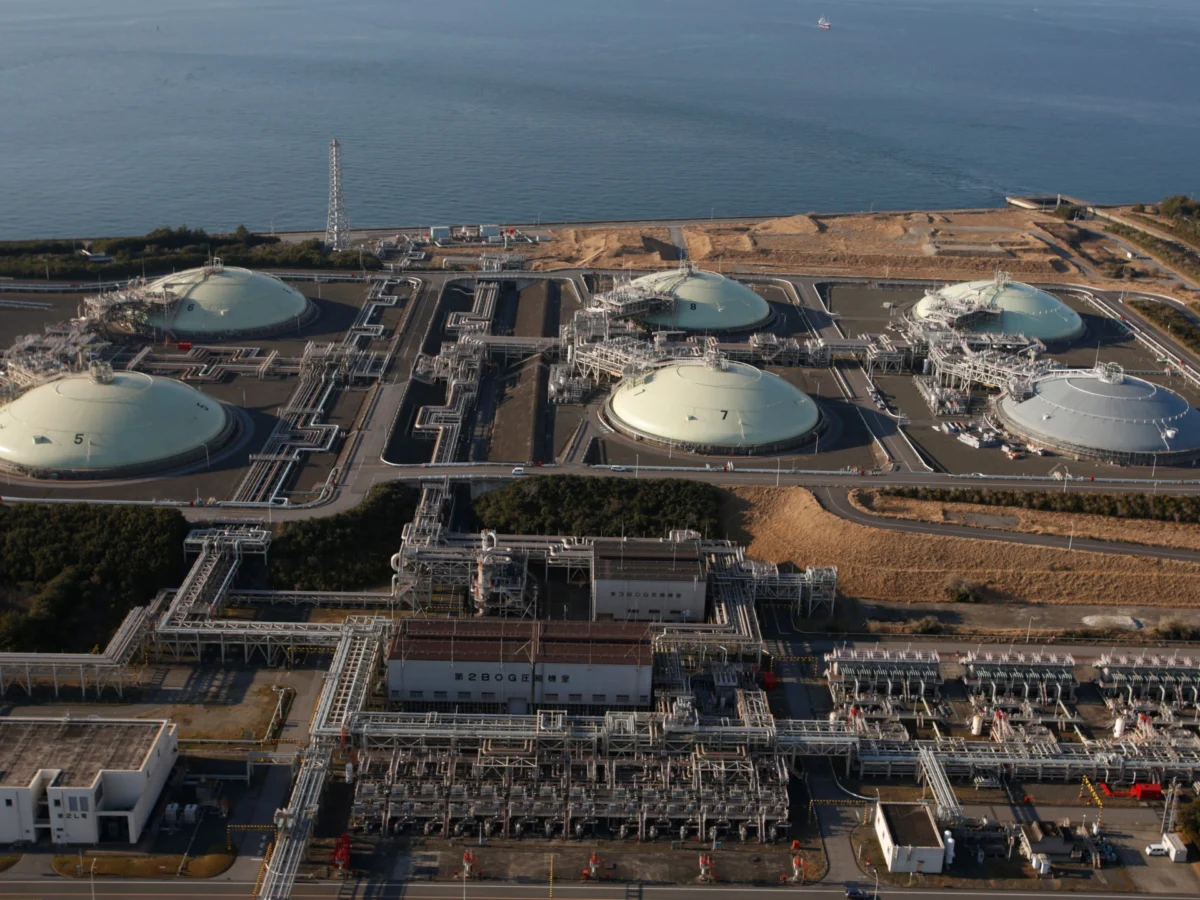
Asian nations are accelerating plans to build additional oil and gas storage facilities closer to home after recent tensions in the Strait of Hormuz highlighted vulnerabilities in their energy supply chains. According to Al Jazeera, the region’s economies aim to reduce their exposure to potential Middle East conflicts that could disrupt shipments through the critical waterway.
The strategic move comes as global energy markets remain volatile. More local storage capacity would provide Asian countries greater security against supply shocks along traditional transport routes from the Middle East, which currently supplies roughly half of Asia’s crude oil imports.
Key Facts
- Asian nations are expanding oil storage capacity following Middle East tensions
- The shift aims to reduce reliance on Strait of Hormuz shipments
- No specific timeline or investment figures are provided
- Strategy focuses on improving regional energy security
Why the rush to store more fuel locally?
The Strait of Hormuz serves as the world’s most important oil transit chokepoint, with about 20% of global petroleum trade passing through its waters. Recent incidents have demonstrated how quickly regional conflicts can threaten this vital artery, sending shockwaves through Asian economies that depend heavily on Middle Eastern energy exports.
Building storage infrastructure in Asia would give countries more flexibility to stockpile reserves when prices are favorable while providing a buffer against temporary supply disruptions. The strategy parallels efforts by Western nations to maintain strategic petroleum reserves, though Asian countries must balance storage costs against the benefits of greater energy independence.
Who stands to benefit most?
Major Asian importers like China, India, Japan and South Korea would likely see the greatest benefits from expanded storage capacity. These nations currently import the bulk of their oil from Middle Eastern producers and maintain only limited strategic reserves compared to their consumption levels.
While the report doesn’t specify which nations are leading the push, analysts note that economies with limited domestic energy resources have the strongest motivation to invest in storage infrastructure. The improvements could eventually reduce price volatility during regional conflicts.
What We Know — and What We Don’t
Verified by the source:
- Asian nations are actively expanding oil and gas storage capacity
- The move responds to recent instability in the Strait of Hormuz
- Goal is reducing exposure to Middle East supply disruptions
Still unconfirmed:
- Specific countries involved in storage expansion
- Total projected capacity increases
- Timeline for completing new facilities
- Funding mechanisms for storage projects
Why It Matters
Energy security remains a critical concern for Asian economies that rely heavily on imported fossil fuels. The potential for Middle East conflicts to disrupt oil shipments poses an ongoing risk to regional stability and economic growth. More local storage capacity could help mitigate these vulnerabilities while potentially reshaping global energy trade patterns over time.
What To Watch
The development of new storage infrastructure across Asia will be key to determining whether these efforts meaningfully reduce the region’s exposure to Middle East supply shocks. Market analysts will monitor whether the expanded capacity leads to measurable changes in energy pricing or trade volumes through the Strait of Hormuz.