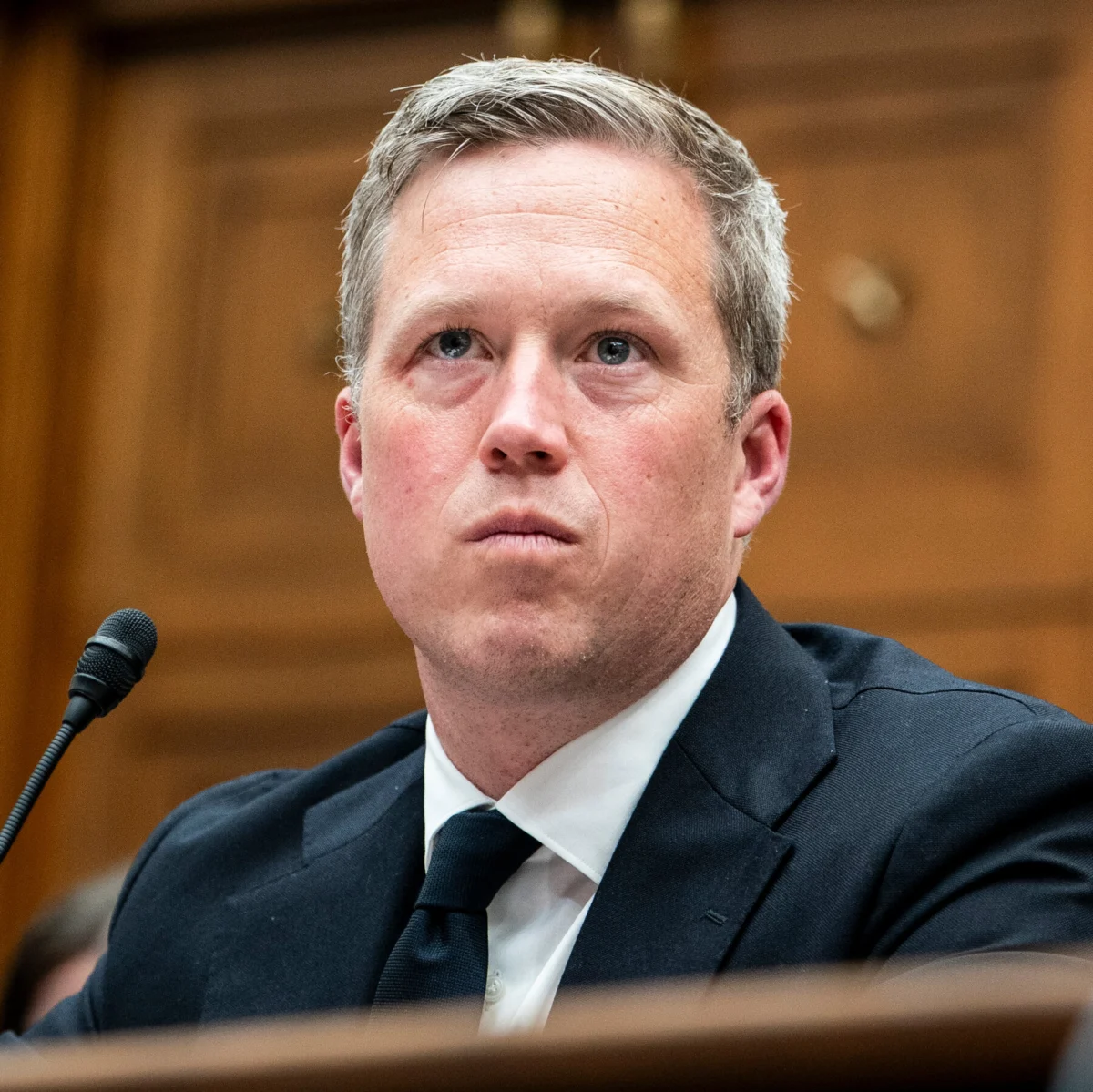
Daniel P. Driscoll, the secretary of the Army, has resigned at a critical juncture for the U.S. military as it navigates the complexities of two ongoing wars. His departure, long anticipated, arrives during a period of significant turbulence for the service.
Key Facts
- Daniel P. Driscoll has resigned as the secretary of the Army.
- The resignation comes as the U.S. military is engaged in two wars.
- Driscoll’s departure was expected, but it occurs during a tumultuous time for the Army.
The Story
What does Driscoll’s resignation mean for the Army?
Daniel P. Driscoll’s resignation marks a significant transition for the Army, particularly as it grapples with the demands of two simultaneous conflicts. His departure, while anticipated, leaves a leadership void during a critical period. The Army must now navigate these challenges without one of its key figures at the helm.
How does this impact ongoing military operations?
The resignation of the Army secretary could have implications for ongoing military operations. With the U.S. military engaged in two wars, leadership stability is crucial. The timing of Driscoll’s departure adds an additional layer of complexity to an already demanding situation.
What We Know — and What We Don’t
Verified by the source:
- Daniel P. Driscoll has resigned as the secretary of the Army.
- The U.S. military is currently engaged in two wars.
Still unconfirmed:
- The specific reasons behind Driscoll’s resignation.
- The immediate plans for leadership succession within the Army.
Why It Matters
This resignation comes at a pivotal moment for the U.S. Army, as it faces the substantial challenges of managing two wars simultaneously. Leadership changes during such periods can impact strategic direction and operational effectiveness.
What To Watch
Attention will now turn to the appointment of a new Army secretary and how this transition will affect ongoing military operations.