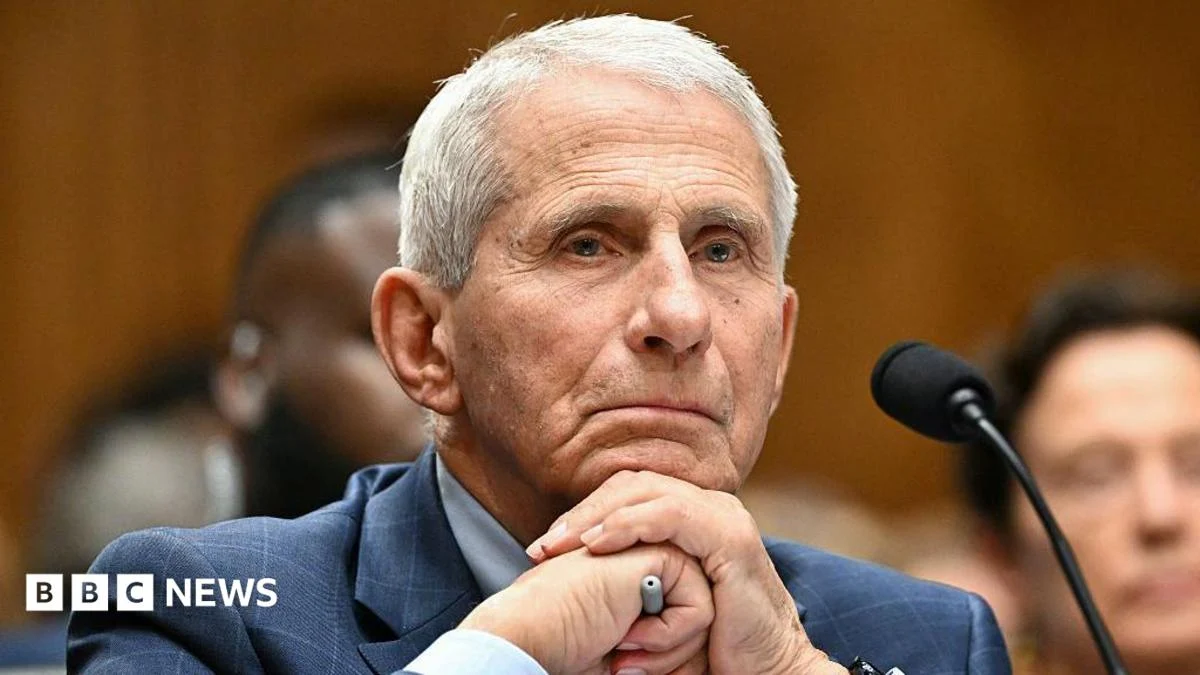
Anthony Fauci invoked his Fifth Amendment right during a Senate hearing on Covid origins, refusing to answer questions under oath.
The former top US health official appeared before senators to discuss the investigation into the pandemic’s start. His decision to plead the Fifth drew immediate attention and raised questions about the scope of the inquiry.
Key Facts
- Anthony Fauci pleaded the Fifth Amendment.
- The hearing focused on Covid origins.
- Fauci is a former top US health official.
- He invoked his constitutional right not to answer questions under oath.
What does pleading the Fifth mean?
The Fifth Amendment protects individuals from being compelled to testify against themselves in a criminal case. Pleading the Fifth means a person refuses to answer questions that could expose them to self‑incrimination. This constitutional safeguard can be used in courtrooms, congressional hearings, and other legal settings. When a witness invokes the right, the questioning must stop on those topics unless a court orders otherwise. Fauci’s use of the right indicates he believed his answers might pose a legal risk. The move does not imply guilt; it is a procedural protection available to anyone.
Why was Fauci called to testify?
Senators summoned him to shed light on the origins of Covid‑19, a subject of ongoing debate and multiple investigations. As the nation’s former leading infectious disease expert, his insights were sought on the early pandemic response and any knowledge he might have about how the virus emerged. The hearing aimed to clarify facts amid public scrutiny and partisan disagreement over whether the virus originated naturally or from a lab. Lawmakers hoped his testimony would help shape future pandemic preparedness policies. His refusal to answer shifted the focus from the substance of origins to the procedural act of pleading the Fifth.
How does this affect the Covid origins inquiry?
The origins investigation continues through other witnesses, documents, and agency reports; Fauci’s testimony absence leaves a gap but does not halt the inquiry. Committees may seek information from current officials, request declassified records, or rely on scientific assessments. The episode highlights the tension between congressional oversight and legal protections that witnesses can invoke. While the hearing did not produce new details on the virus’s start, it underscored how high‑profile figures navigate legal safeguards when facing probing questions about politically charged topics.
What We Know — and What We Don’t
Verified by the source:
- Anthony Fauci pleaded the Fifth Amendment during a Senate hearing on Covid origins.
- The former top US health official invoked his constitutional right not to answer questions under oath.
Still unconfirmed:
- Whether Fauci’s legal concerns relate to any specific ongoing investigation.
- What alternative sources senators might pursue to obtain information on Covid origins.
- How the hearing’s outcome will influence future legislative actions on pandemic oversight.
Why It Matters
The situation illustrates how constitutional rights can shape high‑stakes political inquiries, affecting public transparency and trust. When a prominent figure declines to answer, it can shift the focus from substantive findings to procedural debates, influencing how future oversight is conducted and what information the public ultimately receives.
What To Watch
Observers will look for any subsequent congressional moves, such as new subpoenas or hearings with other officials, and for any statements from Fauci or his representatives regarding his decision.