Lede
A software glitch caused significant flight chaos, leading to over 2,000 cancellations and affecting hundreds of thousands of passengers.
The incident highlights how even brief technical failures in critical systems can cascade into large-scale operational breakdowns. While the exact nature and scope remain unclear, the impact was swift and severe, disrupting travel plans globally.
Key Facts
- More than 2,000 flights were canceled due to the software glitch.
- Hundreds of thousands of passengers were affected by the disruption.
- The issue occurred within a space of a millisecond, according to reports.
- The report was published by BBC News.
The Story
What happened?
A minor software defect rapidly escalated into one of the most severe aviation disruptions in recent memory. The glitch reportedly took only a millisecond to trigger system-wide failures across airline operations.
This rapid failure suggests vulnerabilities in interconnected digital infrastructure used by airlines for scheduling, ticketing, and flight management. Even short-lived technical issues can have lasting consequences when they affect core operational platforms.
Who is affected?
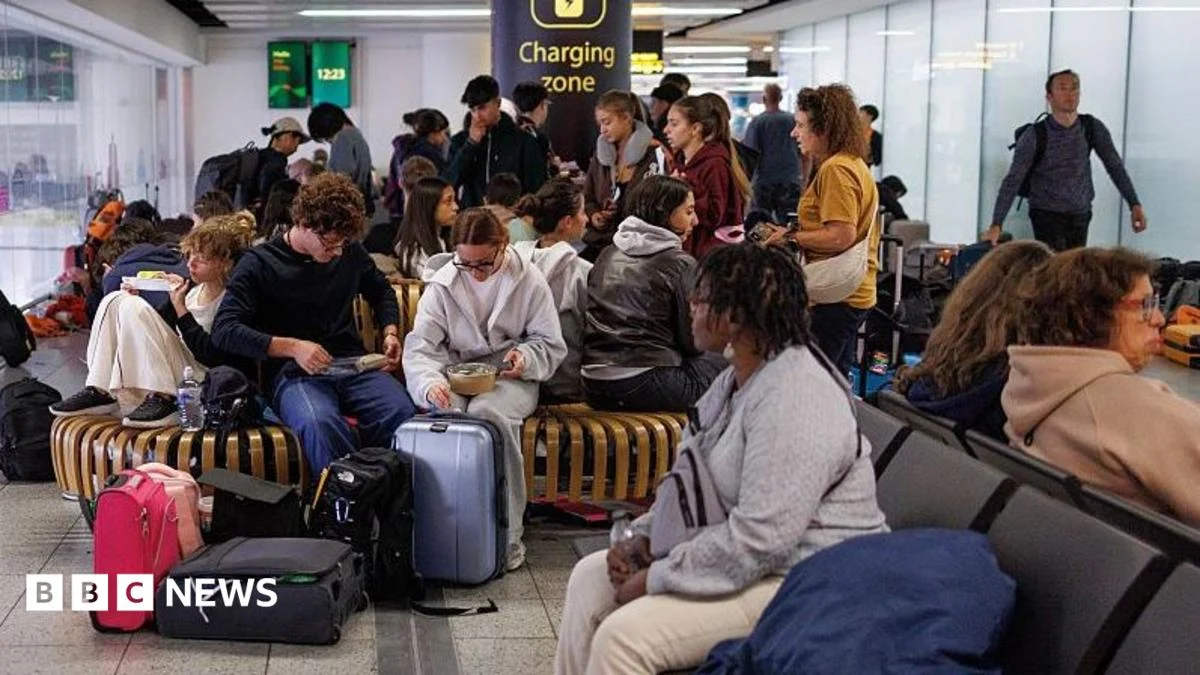
Passengers faced canceled flights, delayed departures, and uncertainty about future travel plans. Airlines scrambled to rebook customers and manage the influx of complaints at airports worldwide.
Thousands of stranded travelers had to seek alternative transportation or accommodations. Many were left without clear updates regarding rescheduling or compensation options.
What We Know — and What We Don’t
Verified by the source:
- The failure caused more than 2,000 flight cancellations.
- Hundreds of thousands of passengers were impacted.
- The root cause was identified as a software defect lasting milliseconds.
Still unconfirmed:
- The specific airline or system provider responsible.
- The geographic extent of the outage.
- Whether any data breaches occurred alongside the disruption.
Why It Matters
This event underscores growing reliance on complex software systems in aviation and other industries. As technology becomes integral to daily operations, ensuring resilience against small but impactful faults becomes essential for public trust and safety.
What To Watch
Experts expect further analysis of the glitch to determine long-term fixes and prevent recurrence. Regulators may review standards governing airline IT systems following this high-profile incident.