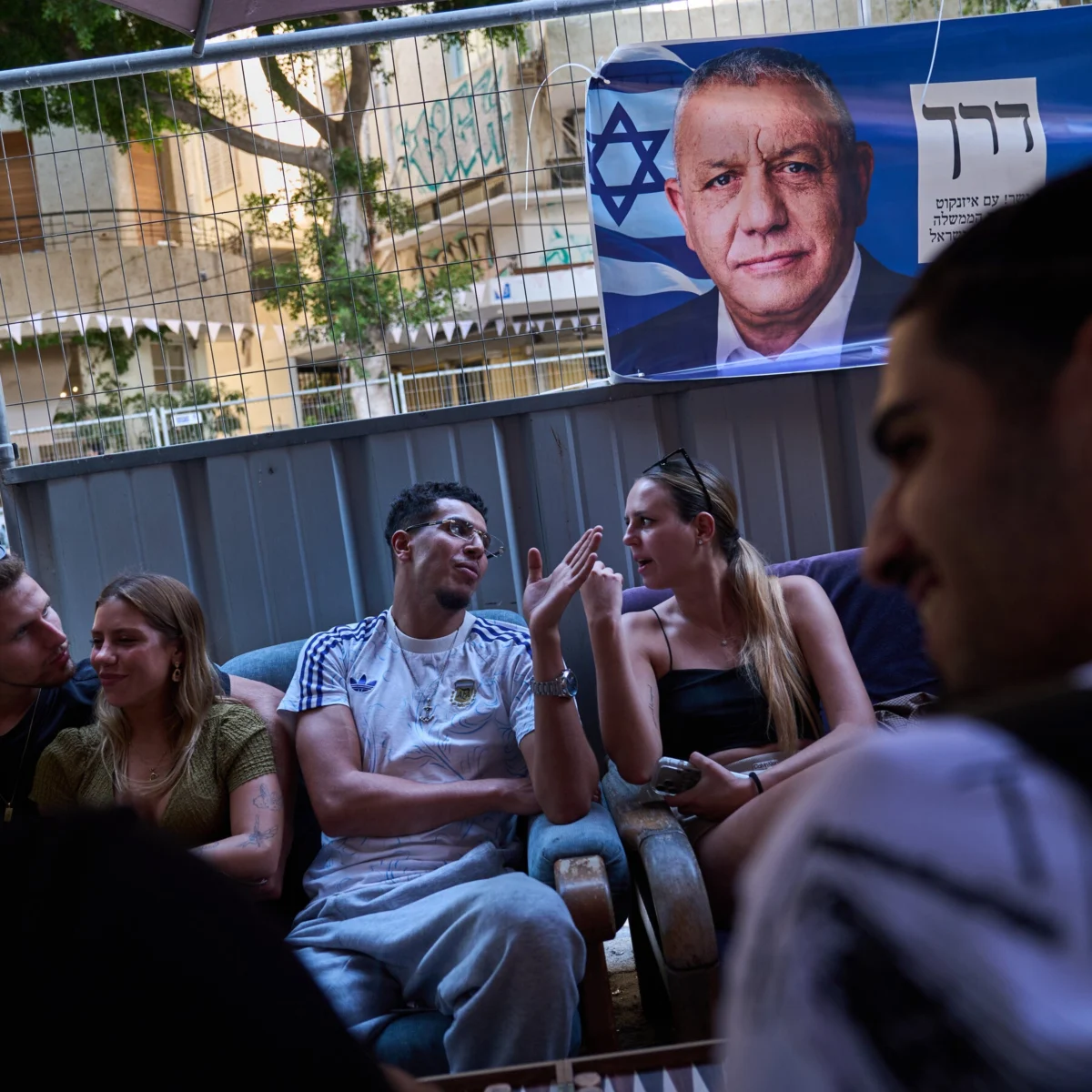
Lede: An inconclusive Israel election has left the country without a clear winner, keeping Prime Minister Benjamin Netanyahu in contention for staying in power while opposition figures brace for potential political stalemate.
A day after the vote, Netanyahu’s supporters expressed relief that he still had a path to remain in office, even as opponents feared the fragmented results could stall governance.
The outcome deepened uncertainty over the direction of Israeli politics at a sensitive time, with no single party or bloc securing a decisive majority to form a stable government immediately.
KEY FACTS
- Vote was inconclusive, leaving no clear winner.
- Netanyahu remained in contention to stay in power.
- Opposition warned of potential political stalemate.
- Mixed results emerged a day after the election.
- Rivals reacted cautiously, neither celebrating nor conceding defeat.
How did we get here?
The latest Israel election followed months of political instability and failed coalition attempts. Voters faced a crowded field of parties, and exit polls suggested that public opinion was deeply split between those backing Netanyahu’s continued leadership and those demanding new leadership.
With no party expected to win a majority alone, the responsibility now falls to the president to consider which leader is most likely to assemble a governing coalition.
Analysts say that prolonged negotiations are likely, potentially delaying any immediate policy decisions on domestic or security matters until a government is formed.
What happens next?
In the coming days, political leaders will engage in informal talks aimed at building consensus for a possible coalition agreement. The president traditionally consults with party heads before deciding whom to task with forming a government.
If coalition discussions fail, Israel could face another election within weeks or months, prolonging the political uncertainty.
International observers and allies are watching closely as the result may reshape regional diplomatic dynamics and domestic policy debates.
Who is affected?
Citizens across Israel are affected by the uncertainty, particularly those awaiting resolutions on economic policy, housing, and security concerns. Public services and infrastructure planning may also be delayed until a stable government takes office.
Businesses operating locally and internationally are monitoring developments closely, as political instability often impacts investor confidence and market sentiment.
What We Know — and What We Don’t
Verified by the source:
- The Israel election produced an inconclusive result with no clear winner.
- Prime Minister Netanyahu remained in contention to stay in power.
- His opponents raised concerns about potential political stalemate following the vote.
- Mixed reactions emerged among supporters and opponents a day after the election.
Still unconfirmed:
- Specific vote totals or party seat distributions were not reported by the source.
- The timeline or conditions for coalition negotiations remain unclear.
- No official statements from individual political figures or parties were attributed in the summary.
- Whether another election will be triggered is unknown and unstated by the source.
Why It Matters
This political deadlock comes at a time when Israel faces ongoing challenges in regional diplomacy, economic planning, and internal cohesion. A prolonged leadership vacuum could affect both domestic governance and foreign policy decision-making for weeks or months to come.
What To Watch
Observers will track whether political leaders can reach a preliminary agreement on coalition talks in the coming days, which would signal whether the deadlock is temporary or long-term.
For broader coverage of ongoing geopolitical developments, see SourceRated war-geopolitics archive.