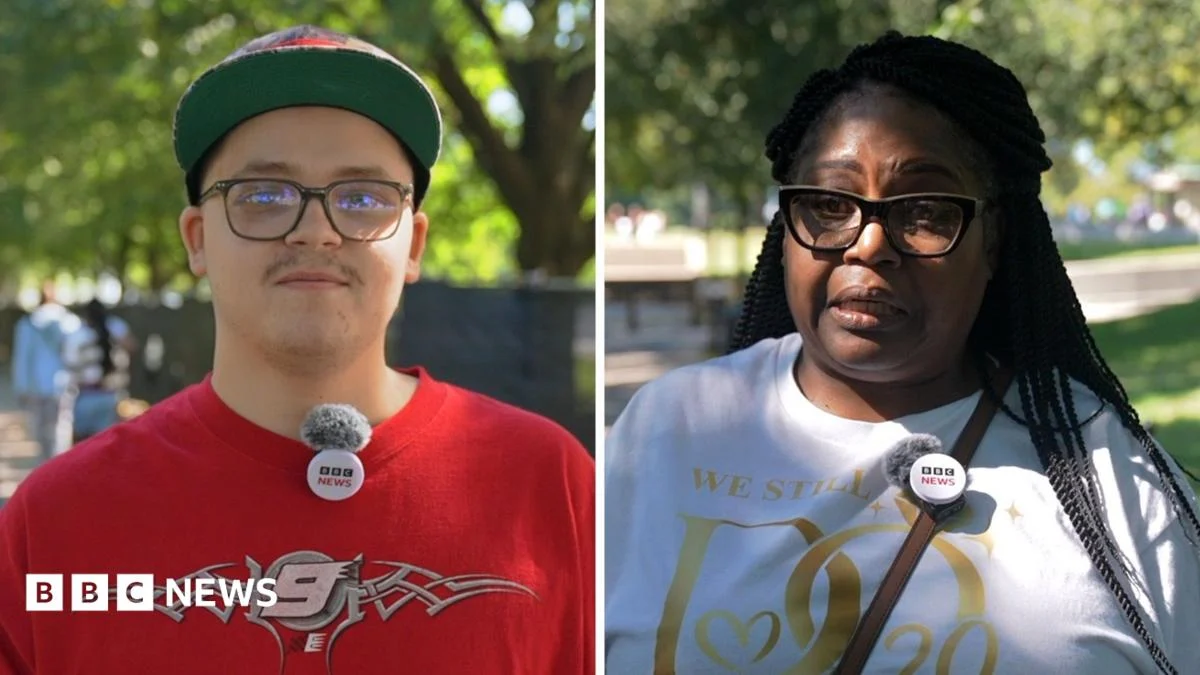
In the wake of a botched execution in Tennessee, BBC News spoke with Americans and international tourists in Washington, D.C., gathering their views on the death penalty. Death penalty views remain deeply divided across the United States, with public opinion shifting over time but rarely reaching consensus. This latest round of informal interviews reflects broader national tensions surrounding capital punishment.
The incident in Tennessee occurred after a flawed lethal injection procedure, prompting renewed debate among onlookers and policymakers alike. While some expressed continued support for the death penalty, others voiced doubt following the event. These conversations highlight how individual experiences and high-profile cases influence personal beliefs.
Key Facts
- BBC News interviewed Americans and tourists in Washington, D.C., about the death penalty.
- The interviews followed a botched execution in Tennessee.
- Public opinions ranged from strong support to vocal opposition.
- One person referenced the case of Christa Pike in relation to the discussion.
What Happened After the Failed Execution?
Following the botched execution in Tennessee, BBC News conducted street interviews in Washington, D.C., to gauge reactions from locals and tourists. Participants offered varied perspectives, reflecting the ongoing polarization around capital punishment in America. Some defended the practice, while others criticized it more strongly after the failed attempt.
Interviewees did not uniformly agree on whether reforms were needed within the justice system. A few mentioned that such incidents could sway undecided individuals toward opposing the death penalty altogether. The tone of these exchanges underscored the emotional weight of the topic.
Who Is Affected by These Conversations?
Those impacted include death row inmates, victims’ families, legal professionals, and policymakers. Additionally, ordinary citizens and visitors to the nation’s capital contribute to the evolving dialogue. Their input helps shape narratives that may eventually reach legislators considering changes to existing laws.
While no official policy changes resulted directly from these interviews, they serve as a snapshot of current sentiment. Continued media coverage keeps pressure on governments to evaluate effectiveness and morality in sentencing decisions.
How Did We Get Here?
Debates over the death penalty have persisted since colonial times in the U.S. Modern challenges involve questions about fairness, cost, and execution methods. High-profile cases often bring renewed scrutiny to systemic flaws, especially when procedures go awry publicly.
Recent events like the Tennessee mishap reinvigorate advocacy efforts on both sides. Proponents cite deterrence and retribution; critics point to wrongful convictions and ethical concerns. Each new controversy adds layers to this enduring societal challenge.
What We Know — and What We Don’
Verified by the source:
- BBC News gathered opinions from people in Washington, D.C., post-execution.
- Reactions included support, skepticism, and calls for reform.
- The context involved a botched execution in Tennessee.
Still unconfirmed:
- No specific quotes or named participants were provided.
- Exact numbers or demographic breakdowns among respondents are absent.
- There is no confirmation of legislative responses tied to these discussions.
Why It Matters
The death penalty remains one of the most contested criminal justice issues in the U.S. As public sentiment shifts with each headline-grabbing case, understanding diverse viewpoints becomes essential. These grassroots conversations reflect sentiments that ripple into courtrooms, ballot boxes, and legislative chambers nationwide.
What To Watch
Further developments in Tennessee’s handling of executions may prompt additional hearings or reforms. Meanwhile, similar informal surveys might surface elsewhere as the nation continues grappling with its stance on capital punishment.
Meta description: BBC News captures varied death penalty views in Washington, D.C., after a botched Tennessee execution, revealing ongoing national divisions.