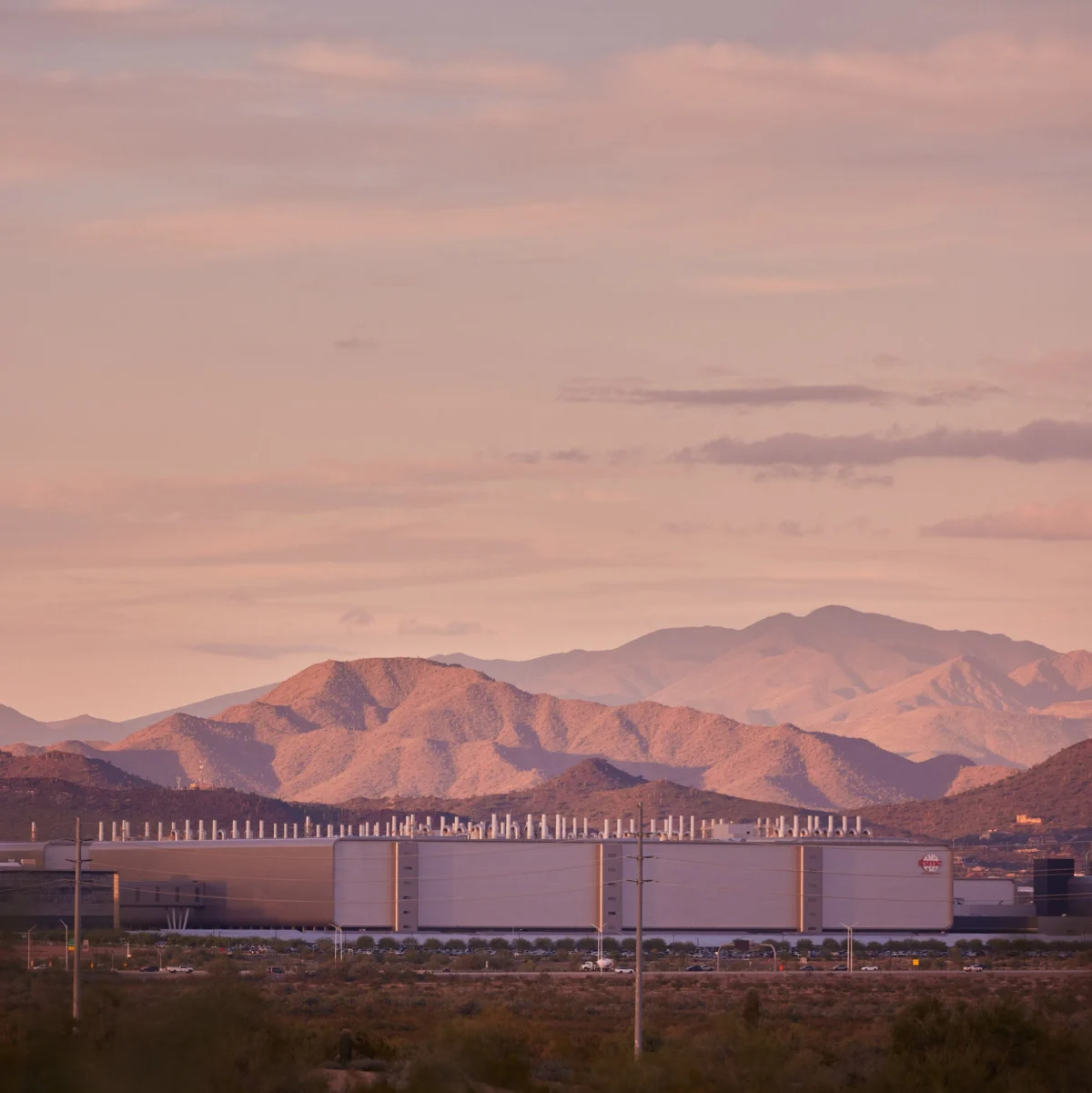
LedezArizona is emerging as a test site for America’s broader reindustrialization strategy, where policymakers and industry leaders are weighing how to revive domestic manufacturing. The state’s semiconductor ambitions reflect national goals to reduce reliance on foreign supply chains and anchor critical industries at home.
If successful, the approach could offer a replicable reindustrialization strategy for other regions, but analysts caution that execution will determine whether the model scales beyond initial projects.
Key Facts
- America is exploring how reindustrialization can be achieved through new factory investments.
- Semiconductor production is central to current reindustrialization strategy discussions.
- Arizona is highlighted as a key location for semiconductor manufacturing revival.
- Industry leaders believe learning the right lessons is essential for long-term success.
What the Factory Reveals About National Goals
The push toward reindustrialization strategy centers on rebuilding industries once dominated abroad. Factories producing computer chips are seen as linchpins for national security and technological independence. Policymakers argue that strengthening domestic capacity reduces risk from global disruptions and foreign dependencies.
Semiconductors power everything from smartphones to fighter jets, making them a strategic asset. By anchoring production in states like Arizona, leaders aim to close gaps exposed during recent shortages. The effort signals a shift toward viewing factories not just as economic assets but as pillars of resilience.
Still, experts warn that investment alone won’t guarantee results. Sustainable reindustrialization strategy must include workforce training, supply chain integration, and stable policy support.
Who Is Affected by This Industrial Push
The reindustrialization strategy touches multiple stakeholders, from federal officials shaping incentives to local residents seeking jobs. Workers in manufacturing hubs may see new opportunities as companies expand operations. Meanwhile, global competitors are watching closely, adjusting their own industrial policies in response.
For consumers, the changes could mean higher short-term costs but greater long-term reliability. Electronics prices might rise temporarily due to relocated production. However, advocates claim that secure supply chains outweigh these trade-offs.
Environmental groups remain divided. While some praise reduced overseas transport emissions, others raise concerns about energy use and land impact at factory sites. Balancing these pressures will shape how reindustrialization strategy evolves nationwide.
How Did We Get Here
Years of offshoring left the U.S. dependent on Asian factories for vital components. Disruptions during recent events exposed vulnerabilities, prompting calls to bring production back home. Lawmakers responded with funding packages targeting semiconductors and other key sectors.
Arizona became a focal point after major chipmakers announced expansions there. State officials offered tax breaks and land, aligning with federal grants aimed at accelerating construction. These projects now serve as experiments in scaling reindustrialization strategy beyond pilot phases.
Early signs suggest momentum, though challenges persist. Labor shortages and rising material costs complicate timelines. Success hinges on maintaining political consensus amid shifting administrations and budget priorities.
What We Know — and What We Don’t
Verified by the source:
- America is actively working on a path to reindustrialization.
- Arizona plays a role in semiconductor-based manufacturing revival.
- Computer chips are identified as crucial to future industrial plans.
- Learning correct lessons is emphasized as necessary for progress.
Still unconfirmed:
- No specific factory names, dates, or funding figures are provided.
- Outcomes or success metrics are not detailed or verified.
- Individual company commitments or timelines remain unnamed.
Why It Matters
A functioning reindustrialization strategy could redefine how America competes globally while securing essential goods. As nations race to control technology supply chains, domestic production becomes both economic opportunity and defense priority.
What To Watch
Further clarity on factory openings, employment numbers, and policy implementation is expected as initiatives move forward.