Lede
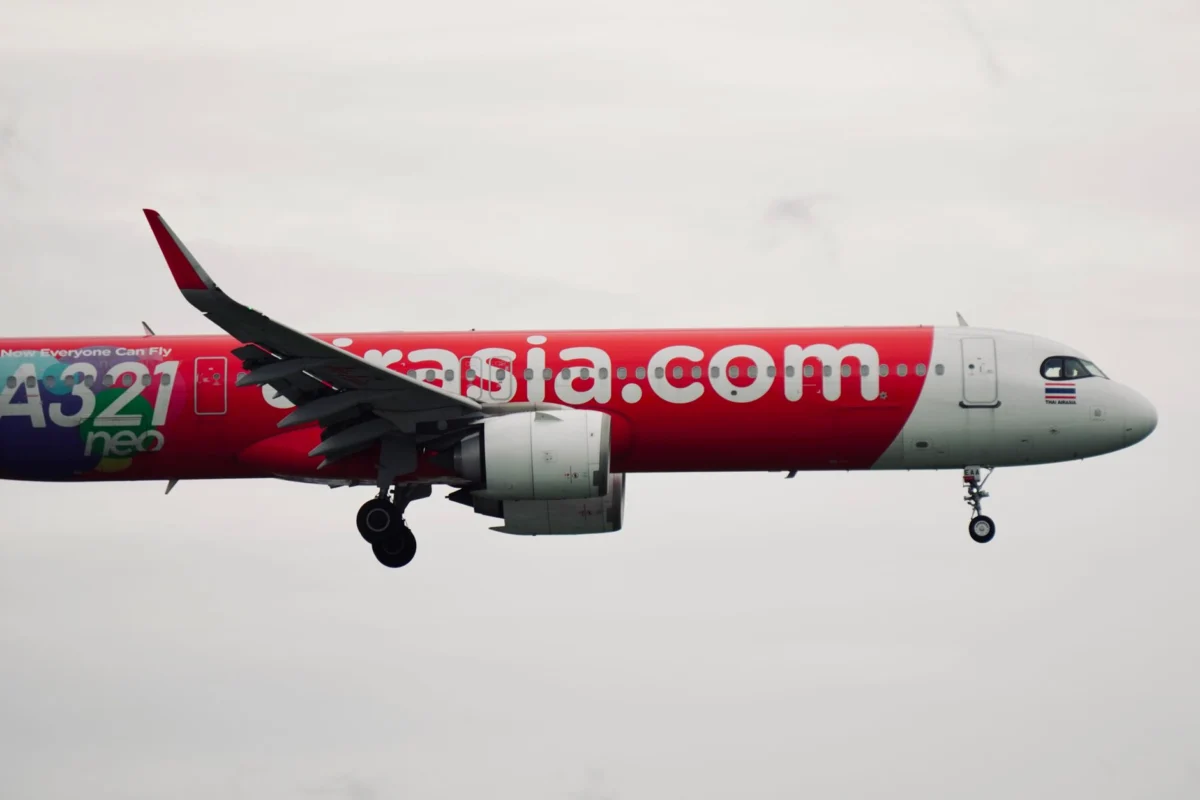
Airbus has confirmed the identification of a quality defect affecting its A321neo aircraft, stating that the issue does not pose a safety risk. The company did not describe the specific nature of the defect, the number of aircraft affected, or which operators may be impacted.
The statement comes after Reuters reported the finding, noting that Airbus emphasized the lack of safety implications. No further technical or operational details have been released publicly, and regulators have not yet issued directives related to the defect.
Key Facts
- Airbus confirmed an A321neo quality defect has been identified.
- The company stated no safety risk is associated with the defect.
- The finding was reported by Reuters within the last 12 hours.
The Story
Who is affected?
While Airbus acknowledged the defect, it did not name any airlines or operators potentially impacted. The defect could relate to manufacturing, parts, or assembly processes common to the A321neo family, but no specifics were provided. Airlines operating A321neo aircraft may await further guidance from Airbus or aviation regulators.
What happens next?
Regulatory bodies such as the European Union Aviation Safety Agency (EASA) typically review confirmed defects before issuing airworthiness directives. Without additional details, it remains unclear whether inspections, redesigns, or part replacements will be required. Airbus has not indicated a timeline for resolution or corrective measures.
What We Know — and What We Don’t
Verified by the source:
- Airbus identified a quality defect on the A321neo.
- The defect does not pose a safety risk, per Airbus.
- Reuters reported the finding recently.
Still unconfirmed:
- The type and scope of the A321neo quality defect.
- Number of aircraft or operators affected.
- Timelines for inspection or repair actions.
- Involvement of aviation regulators.
Why it matters
Defects on commercial aircraft can trigger inspections, delays, or financial costs for manufacturers and airlines. Even non-safety-related issues may affect delivery schedules or fleet availability across global carriers relying on the A321neo platform. This development highlights ongoing scrutiny over aircraft quality control in the aerospace industry.
What to watch
Observers will watch for follow-up statements from Airbus, EASA, and the U.S. Federal Aviation Administration regarding the defect. Any regulatory action or airline disclosures could clarify the scale and impact of the issue.
Meta: Airbus confirmed an A321neo quality defect but said no safety risk exists. Details remain limited in the initial Reuters report.
Explore more on economy and markets and tech and AI trends.