Lede
The AI spending boom is encountering a critical moment of reckoning as investors demand proof that massive data center investments can produce sustainable profits. This shift marks a turning point after years of exuberant funding driven by rapid advancements in artificial intelligence technology.
According to US Top News and Analysis, the AI industry is entering what analysts describe as a more unforgiving phase, where financial returns must justify the enormous capital deployed across infrastructure projects. The central question now facing stakeholders is whether current AI spending levels can transition from growth-at-all-costs strategies to profitable operations.
Key Facts
- The AI boom is moving into a more challenging evaluation period.
- Investors are questioning the path to profitability for AI-related investments.
- Billions of dollars have been invested in data centers.
- Skepticism is rising over long-term return potential on AI spending.
The Story
What happens next?
Market participants are closely watching how companies involved in the AI spending cycle will demonstrate viable revenue models. With valuations under scrutiny, firms must show clearer timelines for generating positive cash flow from their technology and infrastructure bets.
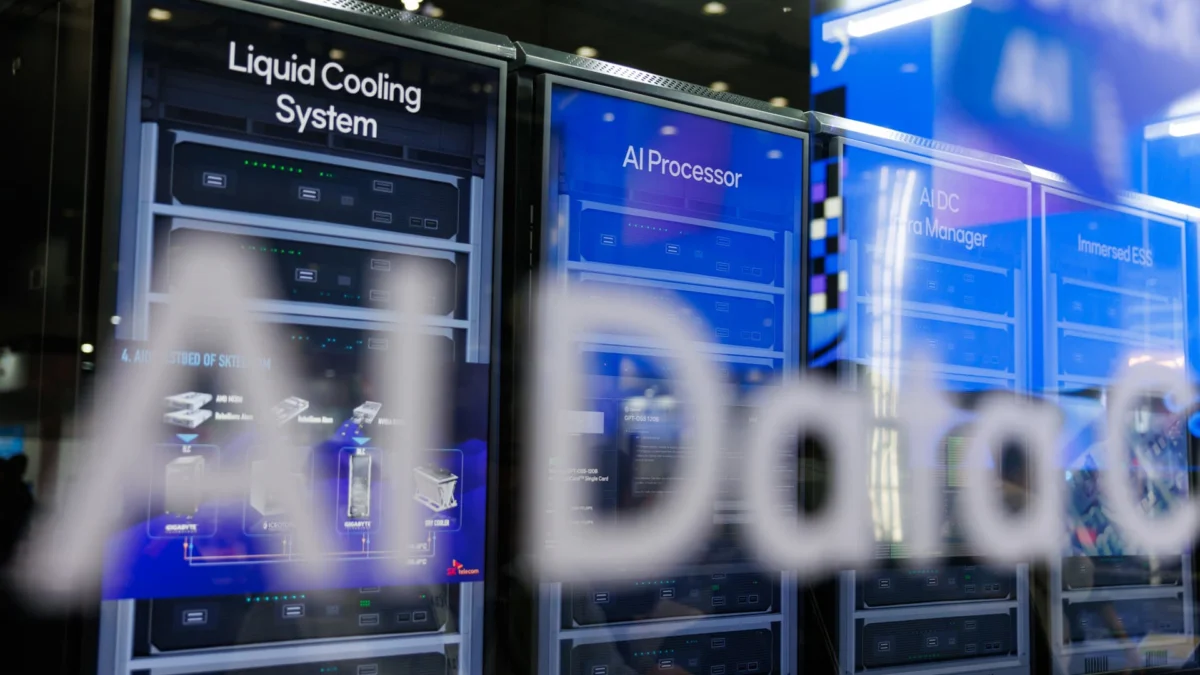
Data centers remain a core component of AI development, supporting everything from model training to real-time inference. However, operating costs continue to rise alongside energy demands, making efficiency gains crucial for maintaining margins amid tighter investor expectations.
Who is affected?
Technology companies, private equity firms, and public markets all face renewed pressure tied to AI spending outcomes. Those unable to articulate compelling paths to profitability may struggle to secure follow-on funding or maintain competitive positioning.
Broader economic implications include shifts in tech sector investment patterns and potential reallocation of capital toward sectors showing faster returns. Market observers note increasing selectivity among venture capital and institutional investors when evaluating new entrants in the AI space.
How did we get here?
Initial enthusiasm around generative AI breakthroughs led to unprecedented investment flows into infrastructure and applications. Venture funding surged, valuations soared, and cloud providers expanded capacity aggressively to meet growing demand.
Yet momentum has gradually shifted as stakeholders seek tangible evidence of commercial viability. While innovation continues at pace, translating technological progress into scalable business models proves complex without clear monetization frameworks.
What We Know — and What We Don’t
Verified by the source:
- Investors question whether billions poured into data centers will yield sustainable profits.
- The AI boom is entering a more unforgiving phase according to US Top News and Analysis.
Still unconfirmed:
- Total dollar amount invested specifically in AI data centers.
- Names of specific investors expressing concern.
- Timeline for when profitability metrics might improve.
Why It Matters
This transition reflects a maturation process common to emerging technologies. As AI evolves beyond experimental phases, market dynamics increasingly prioritize fiscal responsibility. Sustained performance in the technology and finance sectors depends on balancing innovation with economic feasibility, influencing everything from startups seeking funding to large enterprises redefining growth strategies.
What To Watch
Future disclosures regarding data center utilization rates and corporate earnings related to AI services could confirm or reshape prevailing narratives about AI spending sustainability. Analyst reports focusing on cost-per-query efficiencies and customer retention trends offer additional insight into evolving market sentiment.