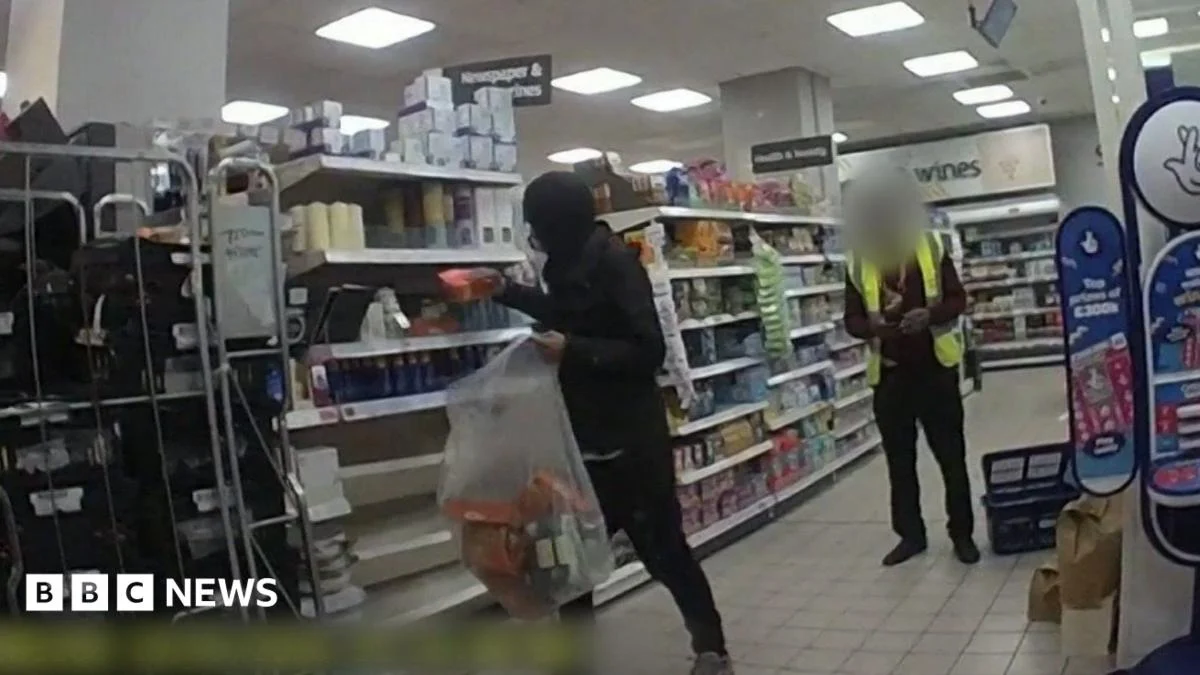
LEDE
A BBC analysis has found that just 270 people were linked to 28,415 shoplifting offences across England, underlining how a small group accounts for a large share of retail crime.
The findings come from a data review conducted by the BBC, which examined shoplifting incidents reported in England. While the analysis does not identify the individuals involved, it suggests a pattern of repeat offending within a narrowly defined group.
The scale of these shoplifting offences — over 28,000 attributed to 270 people — raises questions about the effectiveness of current retail and law enforcement responses.
KEY FACTS
- 270 people linked to 28,415 shoplifting offences, per BBC analysis.
- All incidents occurred across England.
- Total offences reported: 28,415.
- Analysis conducted by BBC News.
- Findings based on reviewed shoplifting data from England.
THE STORY
What does this concentration mean?
With 270 individuals tied to such a high number of shoplifting offences, the data points to a small subset of repeat offenders driving a disproportionate portion of retail crime.
The BBC analysis does not provide further demographic or geographic breakdowns, but the sheer volume of incidents — 28,415 — shows how serial behaviour may amplify overall theft figures.
This pattern aligns with broader concerns about persistent retail crime, which often involves a limited number of individuals cycling through the system.
Why this matters for retailers and police
For retailers, repeated shoplifting offences can lead to increased losses and stricter security measures, affecting both operations and customer experience.
Police forces face pressure to prioritise cases involving frequent offenders, yet the BBC analysis does not specify whether prosecutions or interventions followed these incidents.
The lack of detail on outcomes leaves open questions about how effectively authorities are addressing repeat shoplifting offences at scale.
How did we get here?
The BBC analysis reflects a growing focus on data-driven reporting of crime trends, using publicly available or submitted records to identify patterns.
Shoplifting statistics have drawn attention in recent years as inflation and organised retail crime gain political and public scrutiny.
However, without additional context from the source, it remains unclear how these figures compare to previous years or other regions.
WHAT WE KNOW — AND WHAT WE DON’T
Verified by the source:
- 270 people were linked to 28,415 shoplifting offences.
- The offences occurred across England.
- The analysis was conducted by BBC News.
Still unconfirmed:
- Whether the individuals were arrested, charged, or prosecuted.
- Timeframe or dates of the offences covered.
- Breakdown by region, age, or repeat frequency.
WHY IT MATTERS
The concentration of shoplifting offences among a small group highlights ongoing challenges in managing repeat retail crime, which affects businesses, consumers, and law enforcement resources.
WHAT TO WATCH
Future BBC reporting or official data releases may provide more detail on outcomes for those linked to these offences. Stakeholders are likely to monitor whether similar patterns persist in coming years.