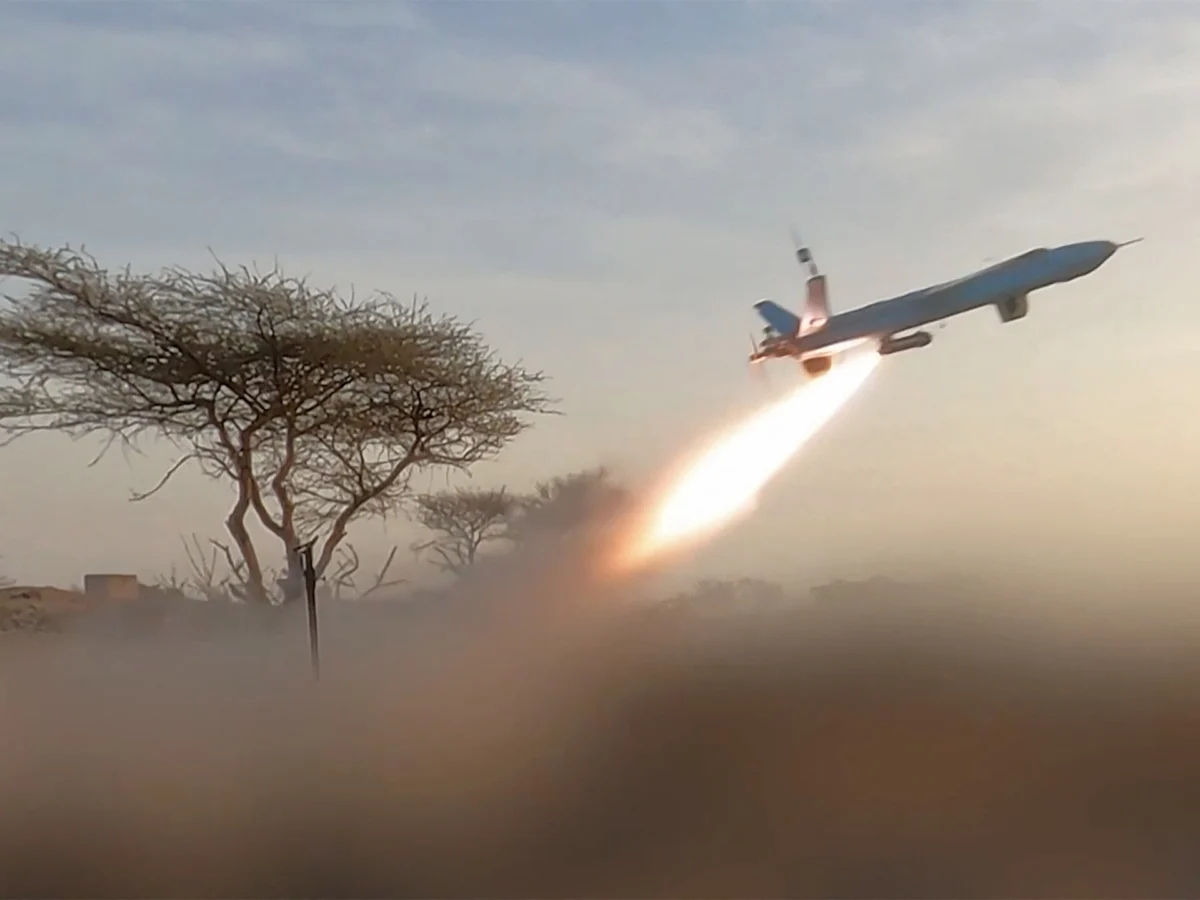
Yemen’s ongoing conflict has entered a new phase as both Houthi rebels and government forces increasingly rely on drone attacks, marking a significant shift in warfare tactics. According to Al Jazeera, the exchange of drone strikes between the two sides demonstrates their growing aerial capabilities, which could reshape the dynamics of the prolonged war.
KEY FACTS
- Houthi and government forces have exchanged drone attacks.
- The conflict marks a major shift in war tactics.
- Both sides are expanding their aerial capabilities.
HOW DID WE GET HERE?
Yemen’s civil war, now in its ninth year, has seen numerous shifts in strategy, but the increasing use of drones represents a significant evolution. Drones offer both sides a way to strike targets with precision while minimizing direct combat risks. This technological escalation suggests an adaptation to the constraints of ground warfare and blockades that have defined much of the conflict.
WHAT DOES THIS MEAN FOR THE CONFLICT?
The growing reliance on drones could prolong the war by making strikes more frequent and harder to deter. Both sides appear to be investing in these capabilities, indicating that aerial warfare will remain a key aspect of future engagements. The lack of international agreements on drone warfare in conflicts like Yemen further complicates efforts to de-escalate.
WHAT WE KNOW — AND WHAT WE DON’T
Verified by the source:
- Houthi and government forces have engaged in reciprocal drone attacks.
- The drone strikes mark a tactical shift in Yemen’s conflict.
Still unconfirmed:
- The exact number or frequency of recent drone strikes.
- Whether foreign powers are supplying drone technology to either side.
WHY IT MATTERS
The shift toward drone warfare in Yemen reflects broader trends in modern conflicts, where unmanned systems play an increasingly decisive role. For civilians, this could mean greater exposure to sudden strikes, while for the warring factions, it offers a way to sustain fighting without large-scale troop movements.
WHAT TO WATCH
Further drone exchanges are likely as both sides test their aerial capabilities. The international response—or lack thereof—to this escalation will also be critical in determining whether drone warfare becomes a permanent feature of the conflict.