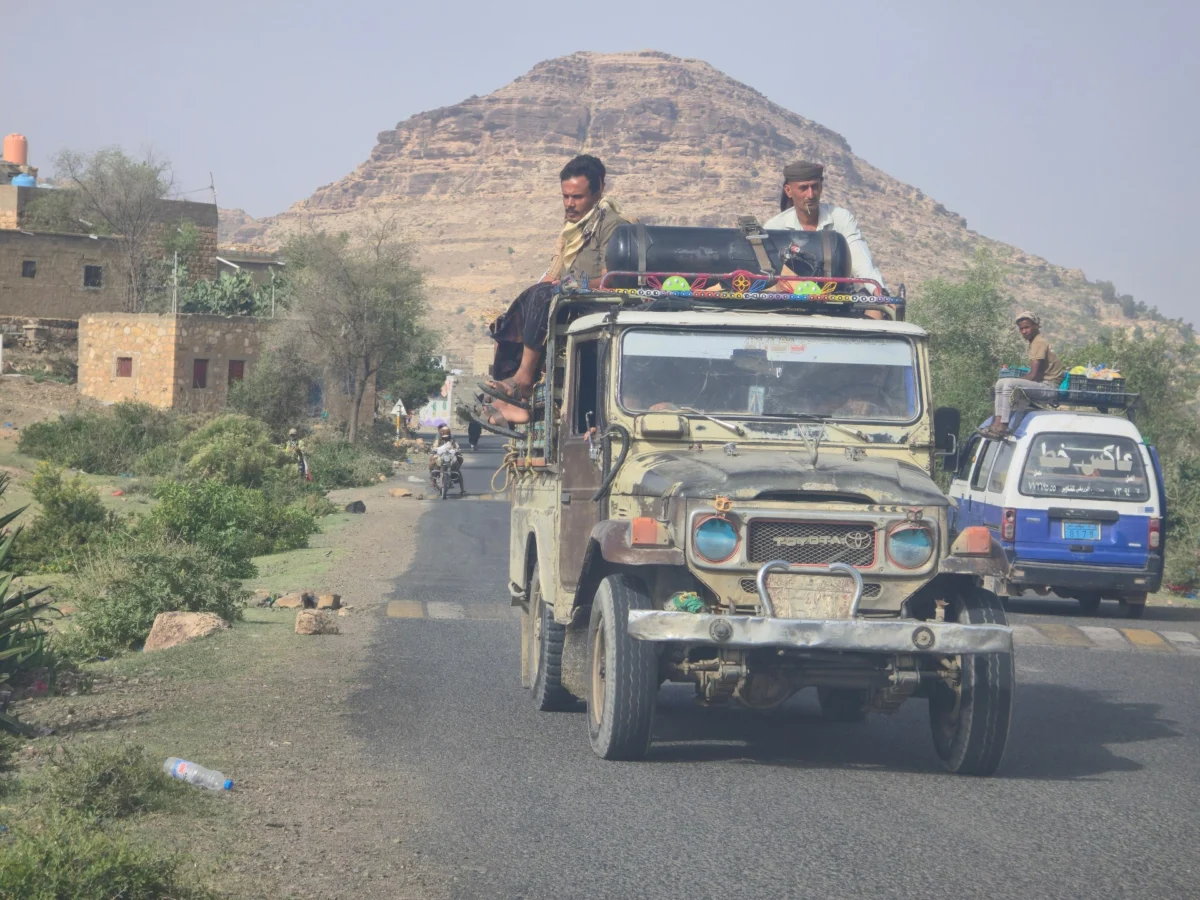
Yemenis are resorting to dangerous energy alternatives as desperation fuels unsafe practices, and solar energy systems present a promising yet imperfect solution.
Faced with limited electricity, many Yemenis adopt makeshift power sources that pose safety risks. Solar installations are highlighted as a better option, but hidden dangers remain.
Key Facts
- Yemenis are resorting to dangerous energy alternatives.
- Solar energy systems are presented as a good alternative for electricity access.
- Hidden dangers exist with the energy alternatives being used.
How did we get here?
Prolonged power shortages have left households searching for any means to generate electricity. In the absence of reliable grids, improvised solutions become common.
Who is affected?
The practice impacts ordinary Yemenis who need lighting, heating, and cooking power. Their reliance on unsafe methods raises health and safety concerns.
What happens next?
Solar systems are promoted as a safer route, yet the report notes that these too can carry hidden risks that are not fully understood.
What We Know — and What We Don’t
Verified by the source:
- Yemenis are turning to dangerous energy alternatives.
- Solar energy systems are considered a good alternative for electricity.
- There are hidden dangers associated with the alternatives.
Still unconfirmed:
- The specific types of dangerous alternatives being used.
- The exact nature of the hidden dangers in solar installations.
- The scale of adoption of these practices across Yemen.
Why it matters: Understanding the shift toward risky power sources highlights the urgent need for safer, reliable energy solutions in conflict‑affected regions.
What to watch: Monitoring reports on the safety of solar installations and any official responses to the use of dangerous energy alternatives.