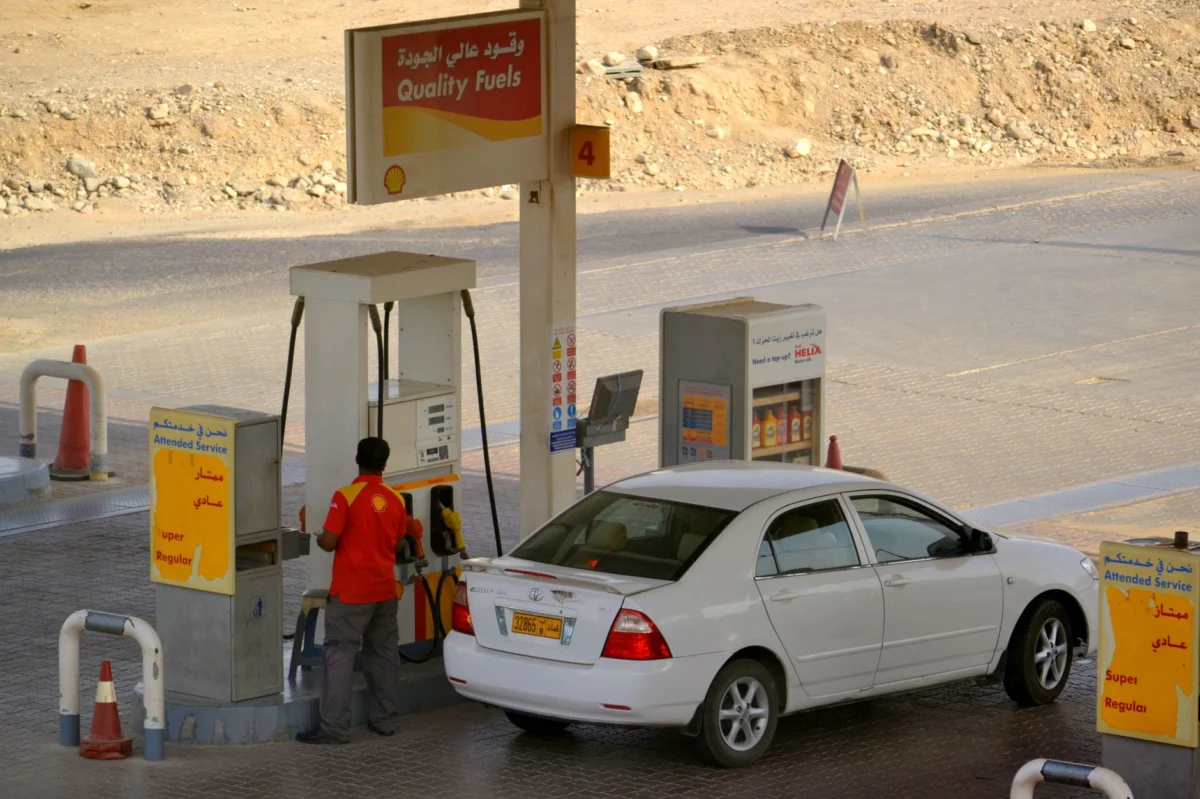
A Yemen fuel shortage is hampering the movement of migrants attempting to reach Djibouti for safety, AP News reported. The lack of fuel has created barriers for those seeking to escape ongoing conflict in the region.
According to the report, the fuel shortage is directly affecting the ability of migrants to travel through Yemen and onward to Djibouti. This restriction adds another layer of difficulty for individuals fleeing instability in the area.
Key Facts
- A fuel shortage in Yemen is affecting migrant movements.
- Migrants aim to reach Djibouti for safety.
- The reporting was published by AP News within the last 12 hours.
Why Is the Fuel Shortage Affecting Migration?
The fuel shortage in Yemen has long been a critical issue, exacerbated by years of conflict and disrupted supply chains. Without access to necessary fuel, transportation becomes nearly impossible for migrants who rely on informal networks and limited public transit systems. This scarcity forces many to either delay their journeys or seek alternative, often unsafe routes, increasing their vulnerability to exploitation and danger.
AP News highlights how this logistical challenge compounds existing hardships for migrants already escaping violence and political instability. Many are stranded in overcrowded areas with minimal resources while waiting for conditions to improve. The absence of reliable fuel supplies also limits humanitarian aid delivery, further isolating vulnerable populations across the region.
Who Is Impacted by These Restrictions?
migrants from various countries, including Somalia and Ethiopia, are among those significantly impacted by the fuel shortage in Yemen. These individuals often attempt to transit through Yemen en route to Djibouti, hoping to find safety or better living conditions. However, the current fuel crisis makes even basic mobility extremely difficult, trapping them in precarious situations.
Humanitarian organizations have expressed concern over the ripple effects of restricted movement on refugee communities. With fewer opportunities to flee conflict zones, displaced persons face heightened risks such as food insecurity, inadequate healthcare access, and exposure to harsh weather conditions. The situation underscores the broader humanitarian implications of infrastructure collapse in conflict-affected regions.
What We Know — and What We Don’t
Verified by the source:
- A fuel shortage exists in Yemen.
- This shortage affects migrants trying to flee to Djibouti.
- The story was reported by AP News within the past 12 hours.
Still unconfirmed:
- The exact number of affected migrants.
- The primary causes behind the fuel shortage.
- Official responses or aid efforts addressing the crisis.
Why It Matters
This development reflects the ongoing humanitarian toll of prolonged instability in Yemen, where essential services continue to deteriorate. For thousands of migrants, fuel shortages represent more than an inconvenience—they are life-threatening obstacles preventing safe passage out of dangerous territories. As global attention shifts elsewhere, these voices remain largely unheard despite facing one of the world’s most perilous migration routes.
What To Watch
Further updates may emerge if AP News publishes additional details or if international aid agencies respond publicly to the escalating challenges faced by migrants navigating through Yemen toward Djibouti.