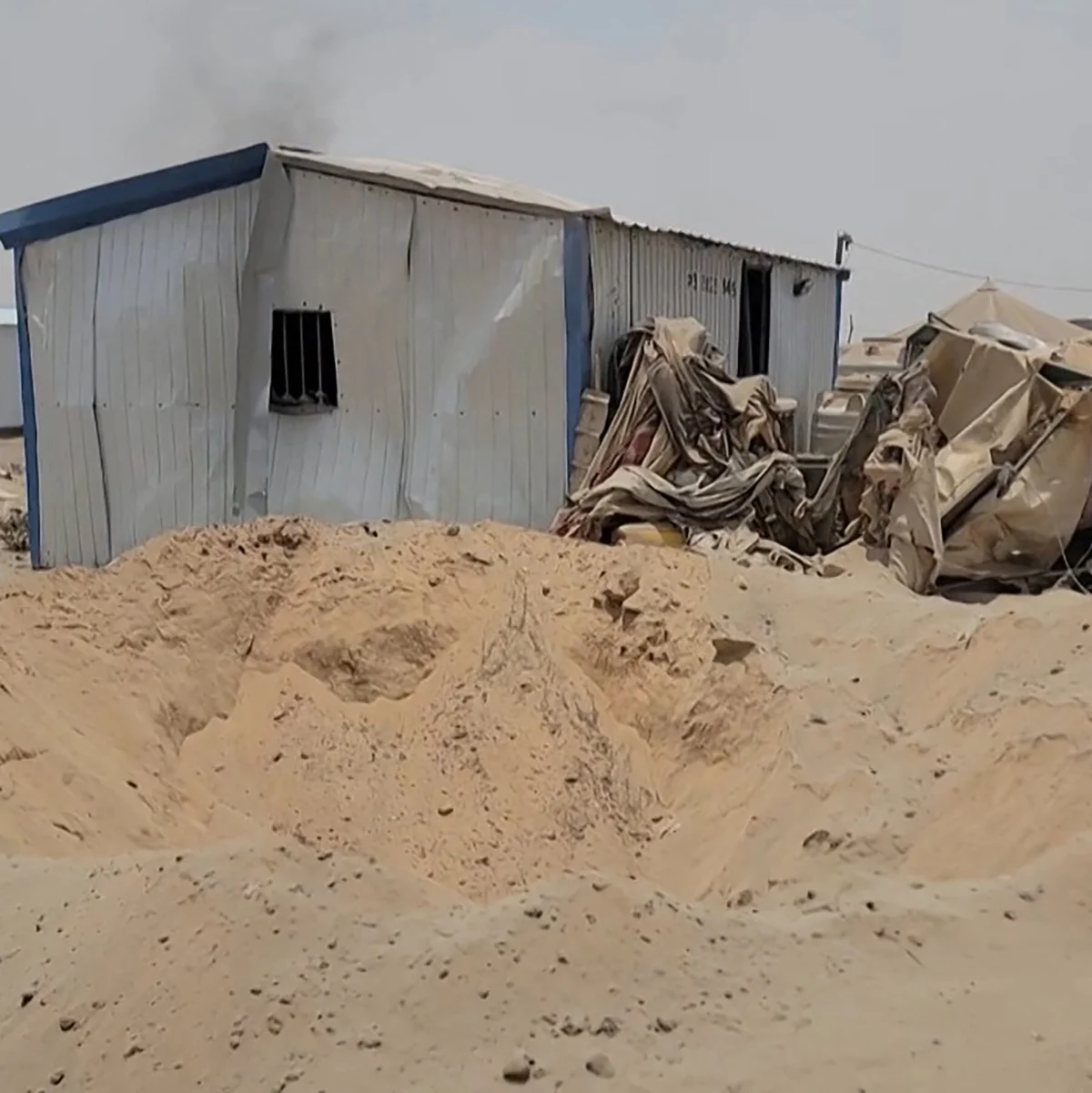
Yemen is teetering on the brink of civil war as clashes between the government and Iran-backed Houthi rebels escalate, threatening broader regional stability. The conflict comes as the Middle East awaits a potential deal to reopen the strategically vital Strait of Hormuz.
The situation in Yemen has deteriorated rapidly, with the Houthi rebels gaining ground in recent months. The government, backed by a Saudi-led coalition, has struggled to contain the rebellion, which has drawn in regional powers and exacerbated tensions across the Middle East.
KEY FACTS
- The Yemeni government is in conflict with Iran-backed Houthi rebels.
- The escalation occurred overnight, according to the source.
- The Middle East is awaiting a potential deal to reopen the Strait of Hormuz.
- The conflict threatens regional stability.
HOW DID WE GET HERE?
The conflict in Yemen has its roots in long-standing political and sectarian divisions. The Houthi movement, which originated in the north of the country, has been fighting the central government for years. The involvement of regional powers, including Iran and Saudi Arabia, has complicated the situation and turned Yemen into a proxy battleground.
The current escalation comes at a sensitive time for the region, with tensions already high over the Strait of Hormuz. The strait is a critical chokepoint for global oil supplies, and any disruption could have far-reaching economic consequences.
WHAT HAPPENS NEXT?
The immediate focus is on whether a deal can be reached to reopen the Strait of Hormuz, which would alleviate some of the regional pressure. However, the conflict in Yemen shows no signs of abating, and further escalation could draw in more regional actors.
The international community has called for a ceasefire and negotiations, but so far, these efforts have yielded little progress. The risk of a full-blown civil war in Yemen remains high, with potentially devastating humanitarian consequences.
WHAT WE KNOW — AND WHAT WE DON’T
Verified by the source:
- The conflict between the Yemeni government and Houthi rebels has escalated.
- The Middle East is awaiting a potential deal on the Strait of Hormuz.
Still unconfirmed:
- The exact details of the overnight escalation.
- Whether the conflict will directly impact the Strait of Hormuz.
- The potential involvement of other regional powers beyond Iran.
WHY IT MATTERS
The conflict in Yemen is not just a local issue; it has significant implications for regional and global stability. The involvement of major powers like Iran and Saudi Arabia means that any escalation could have far-reaching consequences, including disruptions to oil supplies and increased tensions in an already volatile region.
WHAT TO WATCH
The next steps include whether a deal can be reached to reopen the Strait of Hormuz and how the international community responds to the escalating conflict in Yemen. Further developments in either situation could have a major impact on regional stability.