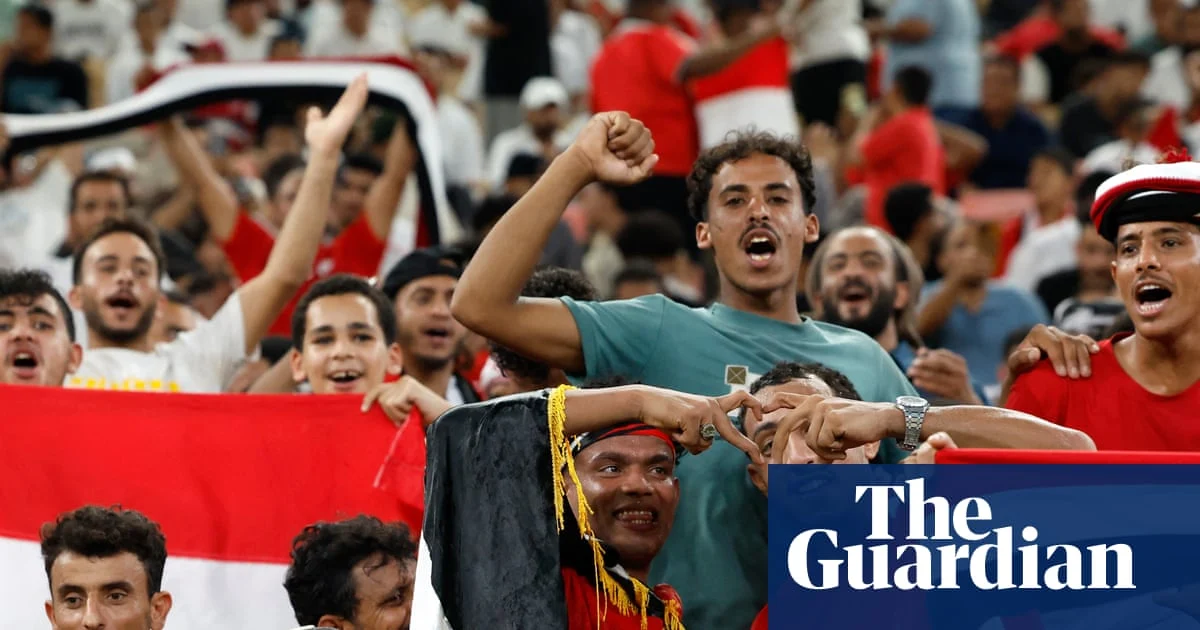
Yemen’s national football team was eliminated from the Gulf Cup following a 1-0 defeat to Qatar, though coach Noureddine Ould Ali declined to criticize officiating despite a controversial missed penalty call.
Ould Ali, an Algerian tactician, acknowledged the difficulty of coaching a team that has not played a home match since 2012 due to ongoing conflict in Yemen. His side lost their final group-stage fixture in Jeddah, Saudi Arabia, ending their campaign in the eight-nation regional tournament.
Key Facts
- Yemen lost 1-0 to Qatar in the Gulf Cup on Saturday.
- The match featured a disputed penalty not awarded to Yemen.
- Noureddine Ould Ali is the Yemen national team coach.
- Yemen has not played a home game since 2012.
- The Gulf Cup is currently held in Jeddah, Saudi Arabia.
What Happened in the Gulf Cup Match?
In Jeddah, Saudi Arabia, Yemen faced Qatar in a crucial Group stage fixture of the Gulf Cup. Despite showing resilience, Yemen fell to a narrow 1-0 defeat after a contentious moment in which a clear penalty was allegedly not given in their favor. Rather than dwell on the decision, Ould Ali emphasized the broader context facing his team.
He pointed out structural disparities between the two nations, noting that Qatar benefits from advanced training infrastructure like the Aspire Academy, modern stadiums, and experienced coaching staff such as Julen Lopetegui. These advantages contrast sharply with Yemen’s limitations, particularly their inability to host home games since 2012 due to the ongoing civil war.
Who Is Affected by Yemen’s Football Struggles?
The struggles of Yemen’s national team extend beyond the pitch. With no home matches since 2012, players and officials face significant logistical hurdles. This absence reflects the broader instability caused by years of civil conflict within the country. Coach Ould Ali continues to lead the squad under these constraints while competing internationally in tournaments like the Gulf Cup.
Besides infrastructure gaps, financial support and player development pathways remain limited compared to regional competitors like Qatar. Despite this, Ould Ali maintains optimism about elevating awareness for Yemeni football through participation in such events, hoping for a shift in global attention away from war narratives.
How Did We Get Here?
Yemen entered the Gulf Cup knowing they were underdogs. Their last competitive home game took place in 2012 — a victory over Palestine in Sana’a — marking over a decade without hosting international fixtures. The civil war has prevented safe conditions for returning to domestic stadiums.
Competing abroad in Jeddah offered some relief but highlighted the gap in resources available to teams like Yemen versus better-funded sides like Qatar. While Ould Ali did not cite unfair play directly, he acknowledged facing strong opposition supported by decades of investment in youth academies and professional setups.
What We Know — and What We Don’t
Verified by the source:
- Yemen was eliminated from the Gulf Cup after losing 1-0 to Qatar.
- A penalty incident occurred during the game involving Yemen.
- Noureddine Ould Ali serves as head coach of the Yemen national team.
- Yemen has been unable to play home games since 2012 due to conflict.
- The Gulf Cup is being staged in Jeddah, Saudi Arabia.
Still unconfirmed:
- Exact details of the disputed penalty decision.
- Whether other teams in the tournament share similar resource disparities.
- Long-term plans for Yemen’s return to home-based football.
Why It Matters
Sports can serve as rare unifying moments for countries affected by prolonged conflict. For Yemen, participating in the Gulf Cup offers visibility and morale beyond politics and warfare. Though defeats sting, preserving morale and representation matters deeply in times of crisis.
International competitions provide opportunities for less-developed footballing nations to showcase talent otherwise overlooked. Supporting equitable exposure helps challenge dominant narratives around conflict zones, encouraging investment and outreach through sport rather than solely humanitarian aid.
What To Watch
Yemen still has one remaining group-stage match in the Gulf Cup. Further performances may reveal how the team adapts tactically and emotionally throughout the rest of the competition.
Updates regarding potential future friendly or qualifier fixtures involving Yemen will offer clarity on whether home games might resume soon depending on regional security improvements.
Meta description: Yemen lost to Qatar 1-0 in the Gulf Cup amid civil war hardships. Coach Noureddine Ould Ali stays positive despite structural disadvantages.