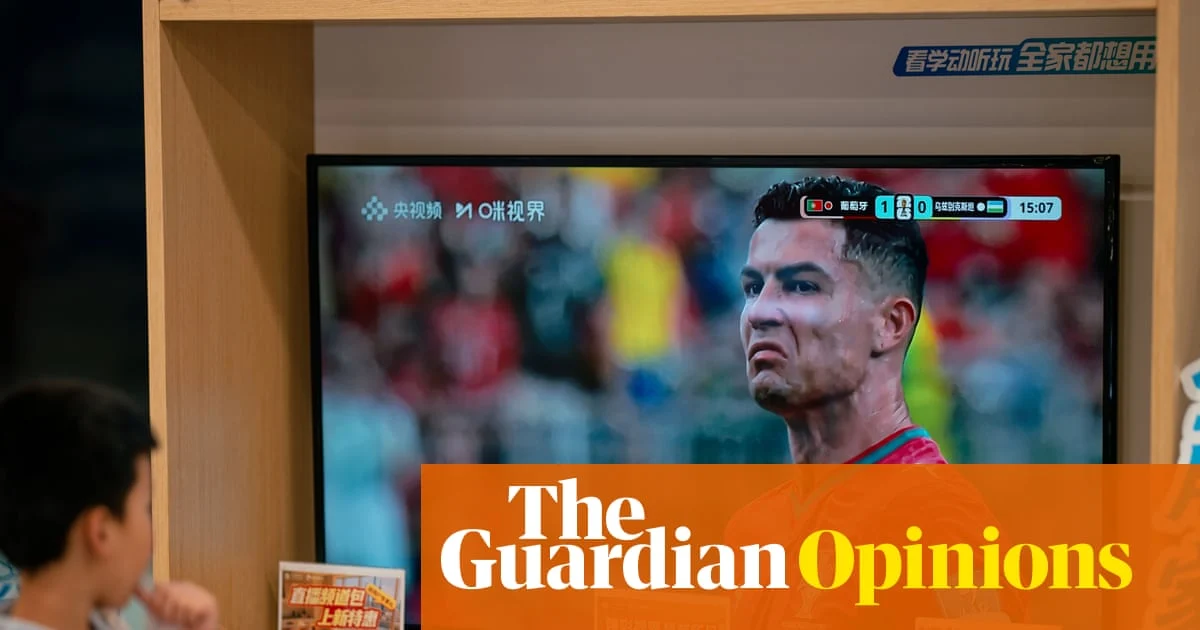
When 41‑year‑old Cristiano Ronaldo stepped onto the pitch against the Democratic Republic of the Congo, the stadium buzzed not for Portugal’s tactics but for the sixth World Cup cap that matched his own record.
The match report called it “a disappointing start,” yet the headline‑grabbing fact was Ronaldo’s age, not his team’s performance.
This is the new reality of football’s biggest stage: a superhero‑laden narrative that sells tickets, clicks and sponsorship dollars while muffling the intricate teamwork that actually wins games.
Why the focus on individuals feels inevitable
Google trends this summer show Miroslav Klose’s goal‑scoring record searched more often than any other World Cup statistic, even more than when he set the mark in 2014. The data point reflects a broader shift – the tournament’s story engine now runs on names like Kylian Mbappé, Erling Haaland and Lionel Messi, not on the tactics of French or Argentine coaches.
“The group phase has felt like an inconvenient distraction from the real business of the Golden Boot race,” writes Jonathan Liew for The Guardian. He notes that every match report now drips with keywords that feed SEO, turning each game into a searchable headline rather than a team contest.
Why does this matter?
When coverage spotlights individual trophies, fans start measuring success by personal accolades. Youth academies adjust curricula to nurture the next Messi instead of teaching collective discipline. Sponsors pour money into ‘player‑first’ campaigns, nudging broadcasters to allocate prime slots for player profiles, which in turn skews advertising revenue away from broader football narratives.
For the average viewer, the effect is subtle but real: the excitement of a well‑executed pressing system or a tactical masterstroke gets replaced by a quick scroll of a player’s Instagram likes.
What the shift costs the beautiful game
Team chemistry is invisible in the headlines but decisive on the pitch. Portugal’s 1‑1 draw illustrated how a star’s aura cannot compensate for a lack of coordinated midfield coverage. Similarly, France’s early knockout of Iraq was less about a single striker’s brilliance and more about a cohesive defensive block that neutralised the opponent’s rhythm.
Statistical analyses from the tournament’s first two weeks show that teams with higher ‘pass network density’ win 68% of their games, whereas squads relying on a single ‘goal scorer’ win just 42% of the time. The numbers underscore a paradox: the louder the individual chorus, the quieter the winning formula.
What happens next?
As the knockout stages loom, the media will likely double‑down on the Golden Boot chase, especially if Messi finally lifts the elusive trophy. Yet the tactical battles in the semifinals – Argentina’s fluid 3‑4‑3 versus England’s compact 4‑2‑3‑1 – will prove whether the ‘superstar circus’ narrative can survive the reality of football’s collective sport.
Will the World Cup’s branding continue to celebrate lone heroes, or will a resurgence of team‑focused storytelling re‑balance the spectacle? The answer could reshape everything from grassroots coaching to global advertising budgets.
Stay tuned as the tournament unfolds – the next match could rewrite the script of football forever.