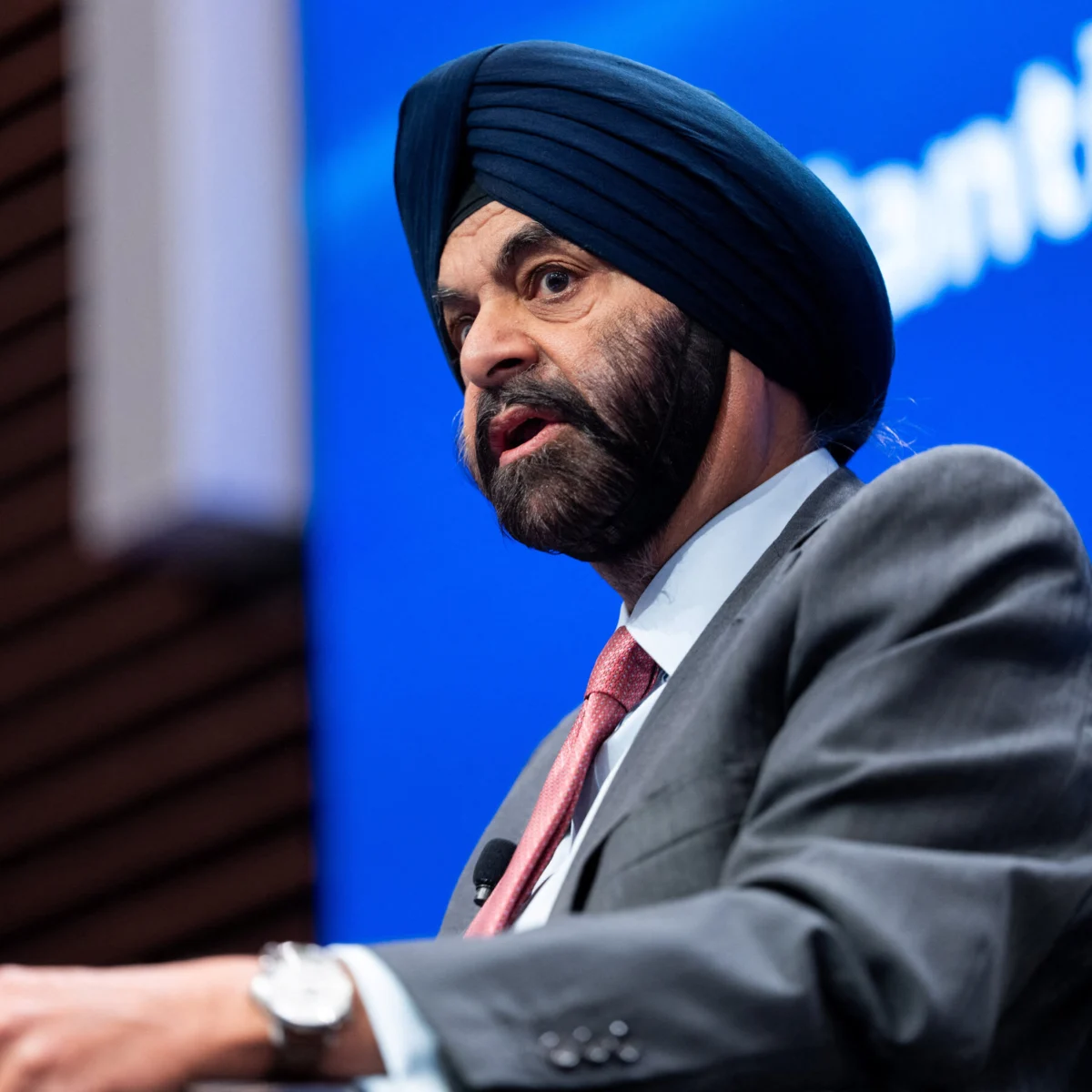
The World Bank is actively courting private investors to support its global development mission, as traditional donor nations grapple with budget constraints and rising national debt burdens. Under the leadership of its president, Ajay Banga, the institution is positioning itself as a conduit for private financing to fill gaps left by strained public funding sources.
This strategic pivot reflects broader financial pressures facing multilateral development banks, which have long relied on contributions from wealthy nations to fund infrastructure and poverty-reduction programs in lower-income countries. With donor budgets stretched thin and global debt levels climbing, the World Bank is increasingly turning to private capital markets and institutional investors to sustain its lending operations.
KEY FACTS
- The World Bank is seeking to attract private capital to support development initiatives.
- Donor nations are facing budget constraints that limit public funding contributions.
- World Bank President Ajay Banga is leading efforts to draw private investment.
Why This Shift Is Happening Now
The push for private financing comes as many developed economies struggle with elevated debt-to-GDP ratios and competing fiscal priorities at home. These constraints have reduced the appetite among donor governments for large-scale overseas aid commitments. At the same time, the World Bank has sought to preserve its ability to lend to low- and middle-income countries by structuring deals that appeal to private investors — often bundling loans or offering guarantees to reduce risk.
Multilateral development banks globally are exploring new financial instruments and partnerships to maintain their role in addressing climate change, health crises, and infrastructure gaps. Private financing allows these institutions to mobilize funds without direct reliance on annual parliamentary appropriations or grant budgets from individual nations.
The involvement of private capital does not necessarily alter the beneficiaries of World Bank projects. Instead, it changes how those projects are funded — using commercial terms, credit enhancements, and blended finance models to align profit motives with social impact goals.
How Did We Get Here?
Over the past decade, several major donor countries have seen their own public debt rise significantly due to pandemic spending, energy price shocks, and aging populations. This trend has created tension within international aid frameworks, where expectations for sustained funding often clash with domestic political and economic realities.
The World Bank’s current approach builds on reforms initiated in prior years aimed at maximizing leverage of every dollar received from members. By inviting private investors into what were once purely public ventures, the bank hopes to expand its reach even if outright grants and subsidized loans decline.
Private financing also introduces new accountability mechanisms, including return-on-investment criteria and performance benchmarks tied to financial outcomes. Critics argue this could shift focus away from poverty alleviation toward commercially viable sectors, though proponents say careful structuring can balance both objectives.
What We Know — and What We Don’t
Verified by the source:
- The World Bank is trying to become more attractive to private capital sources.
- Donor nations are experiencing budget constraints affecting their contributions.
- Ajay Banga serves as the World Bank president.
Still unconfirmed:
- Specific targets or timelines for private capital mobilization.
- Exact figures on donor nation budget shortfalls or debt levels.
- Names of particular private investors or financial instruments involved.
Why It Matters
If successful, the World Bank’s move toward private financing may redefine how global development is funded — potentially increasing scale but also introducing market-driven pressures into humanitarian and infrastructure efforts across vulnerable regions.
What To Watch
Future announcements regarding specific private partnerships or updated capital targets will indicate whether this strategy gains traction. Analysts say policy changes in key donor countries could either accelerate or slow momentum behind greater reliance on private financing.
The outcome of this transition may influence similar moves by other multilateral institutions facing comparable funding challenges.