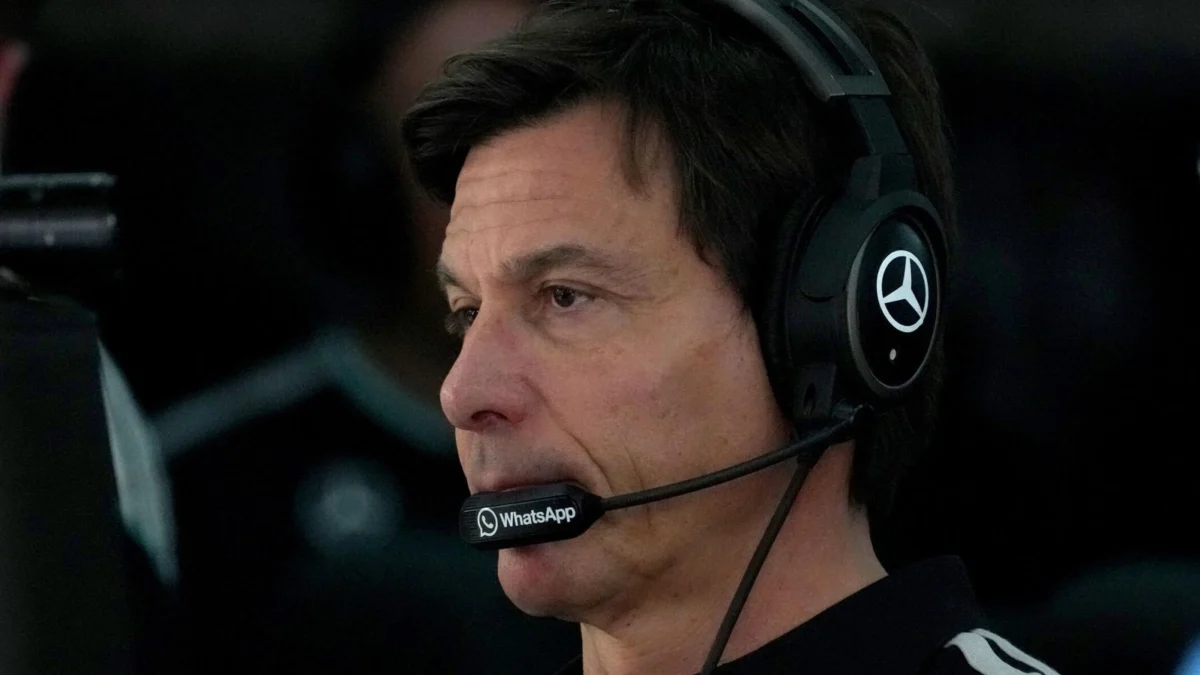
Toto Wolff admitted his surprise after Mercedes’ major upgrade package for the Bahrain Grand Prix appeared to take the team backwards during qualifying. Wolff described feeling confused by the lack of pace shown by the team despite introducing significant new components aimed at improving performance. The underwhelming result in Bahrain has raised questions about the effectiveness of the latest technical changes brought by the silver arrows squad.
Mercedes rolled out what was described as a major upgrade package for the Bahrain Grand Prix hoping to close the gap to their main rivals. However, during qualifying sessions, the team failed to demonstrate the expected improvement in lap times or overall competitiveness. Wolff openly acknowledged that instead of moving forward, the data suggested they had momentarily moved in reverse, earning him the phrase ‘three tenths backwards.’ This unexpected outcome has left the team reassessing both strategy and development direction mid-season.
Key Facts
- Toto Wolff admitted confusion over Mercedes upgrades.
- The upgrade package was intended for the Bahrain Grand Prix.
- The team’s performance reportedly regressed, described as ‘three tenths backwards’.
- Qualifying results were considered underwhelming following the updates.
What Happened During Qualifying?
During the qualifying session in Bahrain, Mercedes drivers struggled to match the pace demonstrated by front-running competitors despite having introduced a new aerodynamic kit and chassis modifications. Lap times did not reflect the gains typically associated with such extensive revisions, leading to disappointment within the garage. Wolff noted that while effort had been invested into delivering progress through these upgrades, the measurable outcome fell short of expectations on track.
Why This Matters For The Championship Race
This setback could impact Mercedes’ position in upcoming races if similar patterns emerge, especially given how tightly contested this season’s championship remains across multiple teams. A failure to extract performance from key updates might widen gaps between them and faster-performing counterparts unless addressed quickly via further adjustments or strategic recalibration before the next event.
It also underscores broader concerns regarding return-on-investment when allocating engineering resources toward high-stakes innovations—a recurring theme throughout modern Formula One where marginal gains often determine podium finishes.
How Did We Get Here?
Mercedes entered the Bahrain weekend confident in their ability to compete at the front after months of iterative design work focused around optimizing airflow efficiency and mechanical balance. Their goal was clear—but execution lagged behind ambition once track action resumed under floodlights.
The phrase coined by Wolff himself — “three tenths backwards” — highlights not just numerical loss but symbolic regression at a crucial moment in the calendar year where momentum can define entire seasons.
What We Know — and What We Don’t
Verified by the source:
- Toto Wolff expressed confusion regarding Mercedes’ latest upgrade package.
- The upgrades were introduced for the Bahrain Grand Prix qualifying round.
- Mercedes’ performance reportedly declined despite the update rollout.
- Wolff used the term ‘three tenths backwards’ to describe the effect.
- Qualifying display was deemed underwhelming relative to expectations.
Still unconfirmed:
- Exact nature and scope of the specific upgrades deployed.
- Technical reasons behind why performance did not improve as expected.
- Whether future races will see revised approaches based on lessons learned.
Why It Matters
In Formula One, consistent gains from technical developments are essential for maintaining competitive edge over rivals. When large-scale upgrades fail to deliver tangible benefits, it affects not only race results but team morale, sponsor confidence, and long-term strategic planning—especially during critical phases of the championship fight.
For fans and analysts alike, understanding how top-tier teams adapt after setbacks adds depth to viewing experience and provides insight into innovation cycles within motorsport ecosystems.
What To Watch
All eyes turn now to whether Mercedes can implement corrective measures ahead of their next scheduled appearance and if subsequent data shows meaningful recovery in pace relative to rival squads.