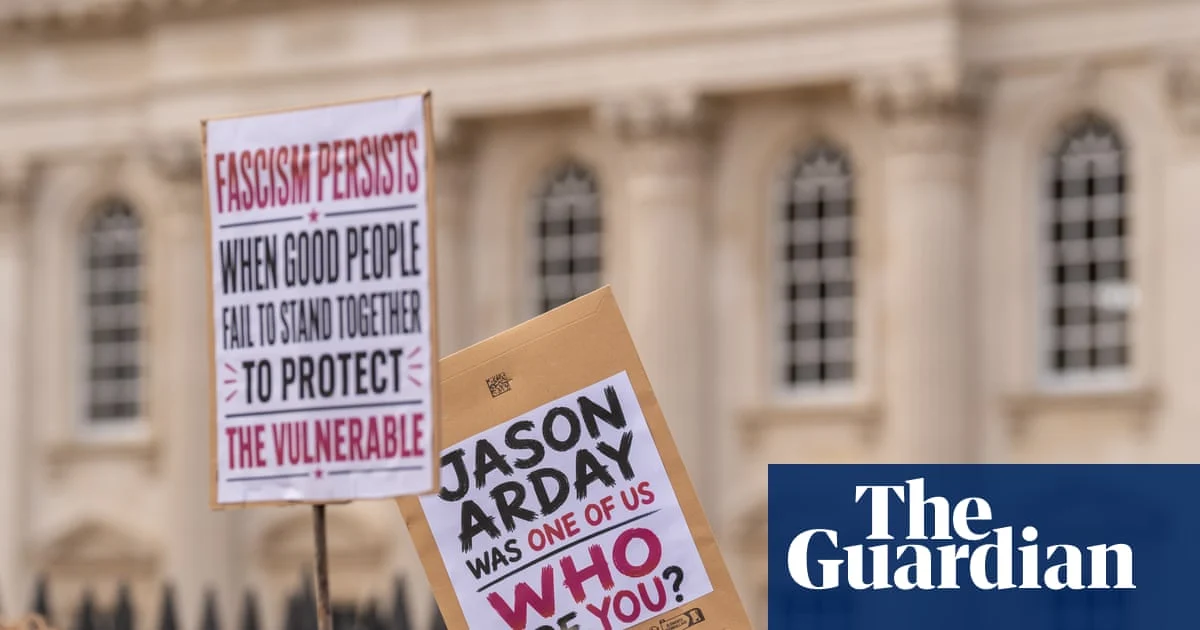
A Windrush campaigner has described the public response to a fundraiser for Jason Arday’s family as evidence that ‘Britain still cares.’ Arday, a former Cambridge professor, died last week after resigning over plagiarism allegations.
The campaigner, who launched the fundraiser, highlighted the outpouring of support as calls grow for an inquiry into media reporting of the case. The University of Cambridge’s chancellor previously criticized what they termed a ‘racist feeding frenzy’ surrounding the allegations.
KEY FACTS
- Jason Arday resigned from his post as professor of sociology of education at the University of Cambridge after plagiarism allegations.
- Arday was found dead on Friday, August 14, 2026.
- A Windrush campaigner launched a fundraiser for Arday’s family, citing widespread support.
- The Cambridge chancellor criticized media coverage as a ‘racist feeding frenzy.’
- Calls are growing for an inquiry into media reporting of the case.
WHAT THE FUNDRAISER REVEALS
The fundraiser’s rapid support suggests public sympathy for Arday’s family amid controversy. The campaigner emphasized that the response reflects ongoing concern for justice and fair treatment, particularly in cases involving racial bias.
HOW MEDIA COVERAGE FACTORED IN
The Cambridge chancellor’s condemnation of the ‘racist feeding frenzy’ points to broader concerns about sensationalist reporting. Critics argue that the media’s handling of plagiarism allegations contributed to undue scrutiny of Arday before his death.
WHAT WE KNOW — AND WHAT WE DON’T
Verified by the source:
- Jason Arday resigned from Cambridge following plagiarism claims.
- He was found dead days later.
- A fundraiser for his family received significant public support.
Still unconfirmed:
- The exact circumstances of Arday’s death.
- Whether the plagiarism allegations were substantiated.
- Details about the proposed media inquiry.
WHY IT MATTERS
The case raises questions about institutional accountability, media ethics, and racial bias in academia and public discourse. The strong public response indicates broader societal concerns about fairness and representation.
WHAT TO WATCH
Further developments may include an official inquiry into media reporting and responses from academic institutions regarding their handling of similar cases.