Answer: The US economy keeps defying the odds because its labour market remains tight, consumer spending stays strong, and fiscal and monetary policies have been calibrated to absorb external shocks.
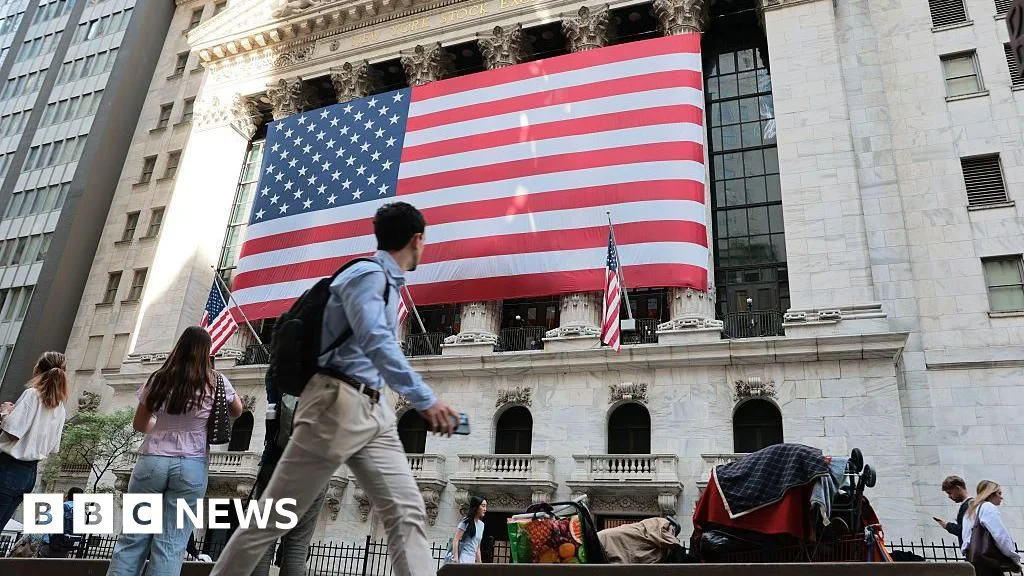
The number 1 sign of that resilience appeared on a Tuesday morning in New York: the Dow Jones Industrial Average jumped 210 points, driven by a 3.2% surge in Apple shares after the tech giant announced a new $2 billion investment in AI chips. That single move lifted the broader market by nearly 0.6% and reminded investors why the US economy still feels like a growth engine.
In the first quarter of 2026, real GDP grew 2.6%, edging ahead of the eurozone’s 1.3% and China’s 2.1% annualized rates, according to the latest data from the Bureau of Economic Analysis. Unemployment hovered at 3.4%, the lowest level in 50 years, while wages rose 4.8% year‑on‑year – a pace that outstrips inflation which the Consumer Price Index now tracks at 3.2%.
What fuels the US economy’s unexpected stamina?
Three forces combine to keep the engine humming.
1. Consumer spending is still king
Household outlays on goods and services totaled $15.3 trillion in Q1, up 2.9% from the same period last year. Retail giant Walmart reported a 5% rise in same‑store sales, while streaming platform Netflix added 7 million new subscribers, signalling that discretionary cash is still flowing.
2. A surprisingly resilient labour market
Even as technology firms trimmed headcounts elsewhere, the construction and health‑care sectors added 650,000 jobs combined in the last six months. The Federal Reserve’s latest Beige Book noted “tightness in hiring,” prompting a modest 25‑basis‑point rate hike in March – enough to curb overheating but not enough to stifle growth.
3. Policy agility
Fiscal policy has been a quiet partner. The Infrastructure Investment and Jobs Act continues to fund $2 billion a year for broadband expansion in rural areas, expanding digital access for 12 million households. Meanwhile, the Fed’s “dual‑track” approach – slowing the pace of rate hikes while maintaining a flexible stance – has helped anchor market expectations.
Why does this matter?
For the average American, a robust US economy translates into steadier wages, more job openings, and the confidence to make big‑ticket purchases like homes and cars. It also shapes mortgage rates, credit‑card interest, and the cost of college tuition. Globally, the United States’ continued growth cushions supply‑chain disruptions and offers a buffer against geopolitical volatility.
But the story isn’t all sunshine. Inflation, though lower than last year, still erodes real purchasing power for low‑income families. And the same AI‑driven productivity gains that are lifting stock prices could reshape labour demand in ways that policy‑makers haven’t fully mapped.
What happens next?
Economists at the Conference Board project a modest slowdown to 2.2% growth by the end of 2026, citing tighter credit conditions and looming geopolitical tensions in Eastern Europe. The next Federal Open Market Committee meeting, scheduled for July, will test how much policy can stay accommodative without sparking a new overheating cycle.
One thing is clear: the forces that have kept the US economy ahead are fragile, and the next data release could rewrite the script. Keep watching the labour numbers and consumer confidence surveys – they’re the pulse of the story that’s still being written.
Read more on the economy and markets beat for ongoing analysis.