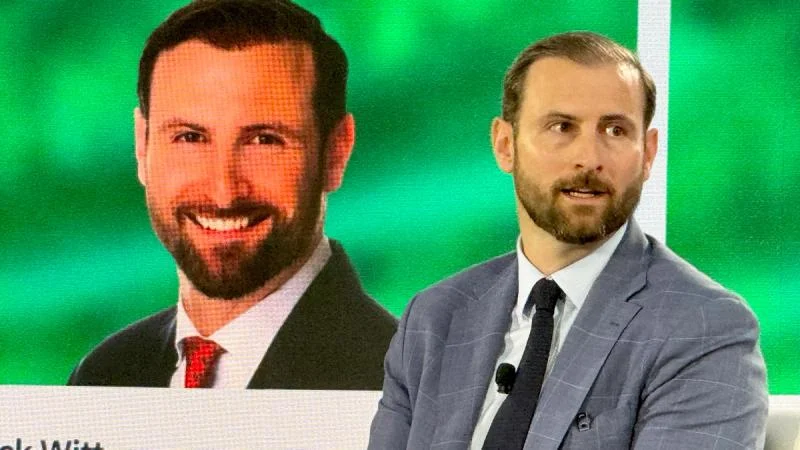
The White House crypto policy office remains without its designated adviser after the departure of a key official, leaving the future direction of digital asset regulation uncertain. This vacancy comes at a time when lawmakers and industry leaders are pressing for clearer guidance on cryptocurrency oversight. The absence of a named replacement underscores the ongoing challenges in establishing consistent crypto policy frameworks within the administration.
Patrick Witt, previously serving as a crypto adviser, has departed from his role, according to reports. His exit marks the latest shift in personnel tied to the digital assets office, an entity created to help shape how the U.S. government engages with emerging technologies like blockchain and decentralized finance. Without a permanent or interim replacement named publicly, concerns are mounting over potential delays in advancing proposed crypto legislation or regulatory clarity.
Key Facts
- Patrick Witt departed from his position as a White House crypto adviser.
- The departure leaves the digital assets office without its lead policy figure.
- No successor has been announced to fill the vacant role.
- Crypto policy direction inside the administration is now uncertain.
- The move occurs amid broader debates over crypto regulation.
What Happens Next for Crypto Policy?
With no direct replacement yet named, the administration may look internally or appoint someone new to oversee crypto-related initiatives. Until then, coordination between federal agencies on crypto matters is likely to proceed through existing channels rather than centralized leadership. This could slow progress on executive actions or interagency working groups focused on digital assets.
Some experts suggest that prolonged vacancies in specialized roles like crypto adviser can lead to fragmented approaches across departments such as the Treasury, SEC, and CFTC. These agencies already hold differing views on how to regulate digital currencies, which makes unified crypto policy difficult to achieve even under normal circumstances.
Congressional activity around crypto legislation continues independently, but without a clear point person within the White House, alignment between legislative proposals and executive priorities becomes harder to maintain. Stakeholders will be watching closely for any signs of a nomination or temporary assignment to restore focus to this critical area of tech policy.
Who Is Affected by the Vacancy?
Several groups have a stake in who fills the role: cryptocurrency firms seeking regulatory predictability, advocacy organizations pushing for consumer protections, and investors hoping for market stability. Industry players often rely on communication channels established through these advisory positions to understand shifting priorities.
Additionally, lawmakers crafting bills related to stablecoins, central bank digital currencies, or anti-money laundering measures depend on feedback loops facilitated by White House crypto advisers. Without consistent engagement from the top, some worry that U.S. leadership in global crypto discussions could wane compared to other nations making rapid moves in the space.
How Did We Get Here?
The establishment of dedicated crypto advisory layers within the White House reflects growing recognition of the economic and technological importance of digital assets. Over time, various administrations have experimented with informal guidance structures before formalizing certain positions — including the appointment of officials specifically tasked with navigating policy issues in this domain.
Witt’s tenure followed earlier efforts to integrate crypto considerations into national economic strategy conversations. His departure signals another chapter in what has been a fluid landscape shaped by evolving technologies and political climates alike.
What We Know — and What We Don’t
Verified by the source:
- Patrick Witt served as a White House crypto adviser and has left that position.
- His departure created a vacancy in the digital assets office.
- There is currently no publicly identified individual occupying the adviser role.
Still unconfirmed:
- Whether a nominee or interim appointee will soon be selected.
- Details regarding why Witt stepped down or when he last held the role.
- Any internal contingency plans the administration may have put in place during the gap.
Why It Matters
As Congress evaluates multiple crypto-focused bills and financial regulators weigh enforcement actions, having dedicated leadership at the White House helps ensure coherent responses. A prolonged vacancy risks creating confusion or missed opportunities for American participation in global digital finance standards being set abroad.
What To Watch
Observers should watch for announcements about a new crypto adviser nomination or reassignment, along with updates from relevant federal agencies that typically coordinate via the digital assets office. Any major policy developments tied to crypto regulation may also signal whether this vacancy affects timing or scope.
Meta description: The exit of White House crypto adviser Patrick Witt leaves digital asset policy direction unclear and raises questions about future regulatory moves.
Explore more cryptocurrency news and analysis. | Read the latest on political appointments and governance.