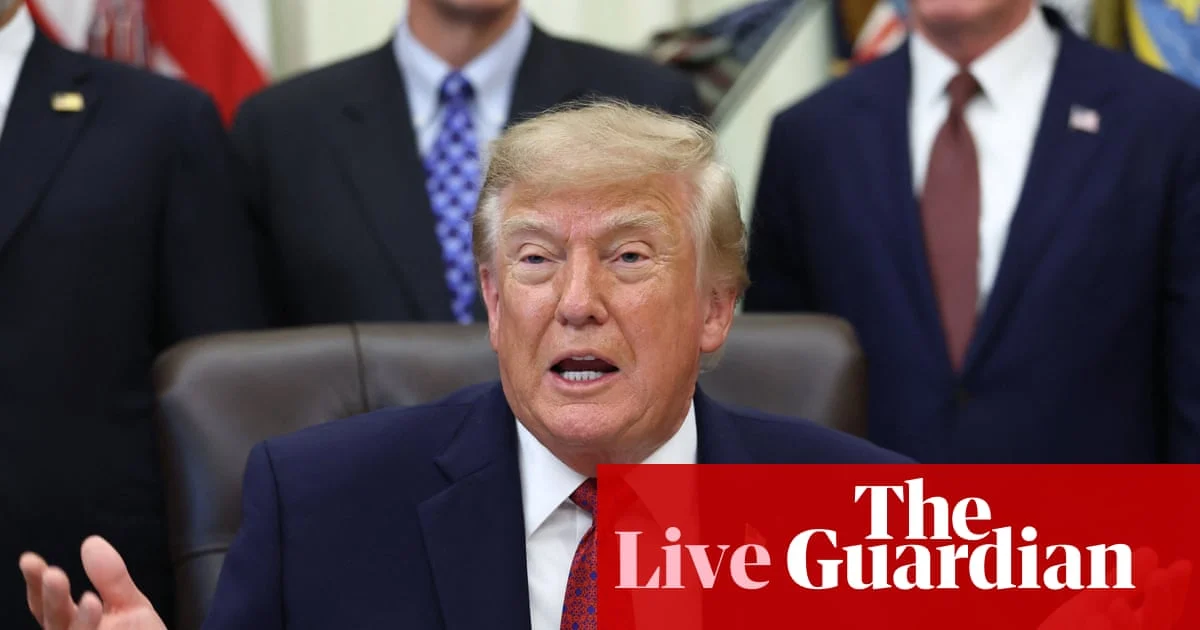
The White House blocked CNN from participating in the rotating press pool covering President Trump’s scheduled trip to Texas and Oklahoma, according to reports. This marks another escalation in ongoing tensions between the administration and select news outlets.
The decision reinstates a restriction that had previously been temporarily blocked by a Trump-appointed federal judge. That judge had issued a temporary order preventing the ban on CNN, Politico, and Mississippi Now from White House coverage until October 8.
Key Facts
- White House removed CNN from the press pool for a Texas and Oklahoma trip.
- A Trump-appointed federal judge had temporarily blocked the media ban until October 8.
- CNN, Politico, and Mississippi Now were among the outlets originally banned.
- The ban was reinstated despite the earlier judicial block.
- Trump has publicly criticized the media in recent interviews.
What Happens Next?
The temporary restraining order issued by a Trump-appointed federal judge remains in effect until October 8, creating a legal backstop for affected outlets. However, the White House’s renewed exclusion of CNN from the press pool suggests the administration may continue asserting control over media access regardless of pending litigation. The outcome could hinge on whether the judge extends the order or rules definitively on the broader ban. Legal experts note that press access restrictions often involve balancing national security concerns with First Amendment freedoms. Meanwhile, advocacy groups have signaled potential lawsuits if exclusions persist. The White House has not provided a public explanation for reversing its compliance with the court order. As of now, CNN and other excluded outlets are weighing additional legal challenges while monitoring future scheduling decisions.
Who Is Affected
Beyond CNN, Politico, and Mississippi Now, this situation impacts all media organizations reliant on rotational access to the president. The press pool system serves as a shared resource—when one outlet is sidelined, others must compensate or risk gaps in coverage. Freelancers and smaller newsrooms that depend on pool reports also feel the ripple effect. Furthermore, public trust in transparent governance may erode if media exclusions appear politically motivated. The White House Correspondents’ Association has historically played a mediating role in access disputes, though its influence here remains unclear. If exclusions continue, news organizations may pursue coordinated responses, including collective legal action or boycotts of future pool assignments.
What We Know — and What We Don’t
Verified by the source:
- The White House removed CNN from the press pool list for the Texas and Oklahoma trip.
- A Trump-appointed federal judge issued a temporary block on the media ban until October 8.
- CNN, Politico, and Mississippi Now were named in the original exclusion order.
Still unconfirmed:
- The official reason behind the White House’s reversal on the court order.
- Whether other outlets will face similar exclusions in upcoming weeks.
- If litigation will result in a permanent injunction against future bans.
Why It Matters
Restrictions on press access can limit the public’s ability to hold leadership accountable. A functioning democracy relies on independent journalism to inform citizens, especially during times of conflict or policy change. When governments selectively exclude accredited journalists, it raises concerns about transparency and press freedom. This dynamic becomes especially critical when covering matters related to war, geopolitics, or emergency powers, where informed public discourse is essential.
What To Watch
Watch for whether the White House complies with the existing court order beyond October 8, and if excluded outlets file further legal challenges over access restrictions.