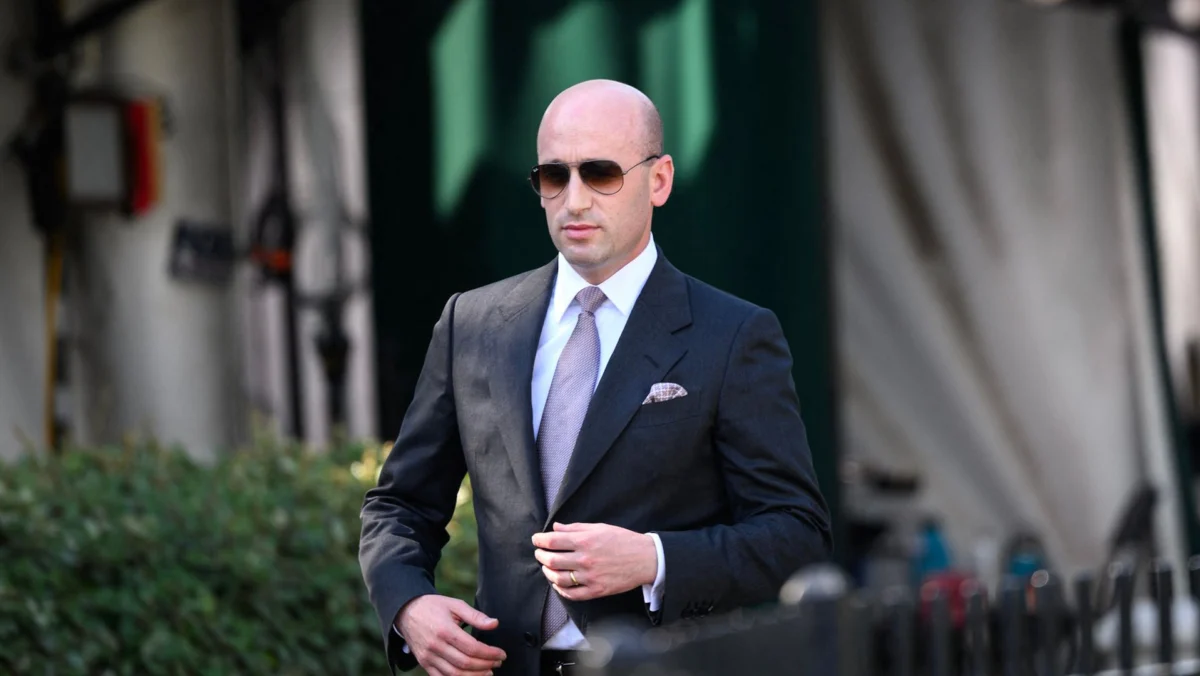
A senior White House adviser confirmed that the Trump administration will continue its fight to end birthright citizenship. The statement was made in an interview with Al Jazeera.
What is the administration’s position?
The adviser said the White House plans to keep challenging the recent decision that reaffirmed birthright citizenship. No specific legal strategy was disclosed, but the official emphasized that the effort will persist.
Why does this matter?
Birthright citizenship has been a longstanding element of U.S. immigration law. Changing it would affect how citizenship is granted to children born on American soil, a shift with significant political and social implications.
Critics argue that altering the rule could reshape demographic trends and impact immigration policy debates. Supporters of the change contend it would address concerns they say arise from the current interpretation of the 14th Amendment.
What happens next?
The adviser did not outline a timeline, but indicated that legal actions or legislative proposals could be part of the ongoing effort. Observers will watch future court filings and any congressional activity closely.
For readers following related developments, further updates are likely to appear in the war‑geopolitics section.
Why this matters: The future of birthright citizenship touches on broader debates about national identity, legal precedent, and immigration policy. Continued challenges suggest the issue will remain a focal point of political discussion in the coming months.
Looking ahead, the administration’s next steps will determine whether the fight advances through the courts, legislation, or both, shaping the legal landscape for future generations.