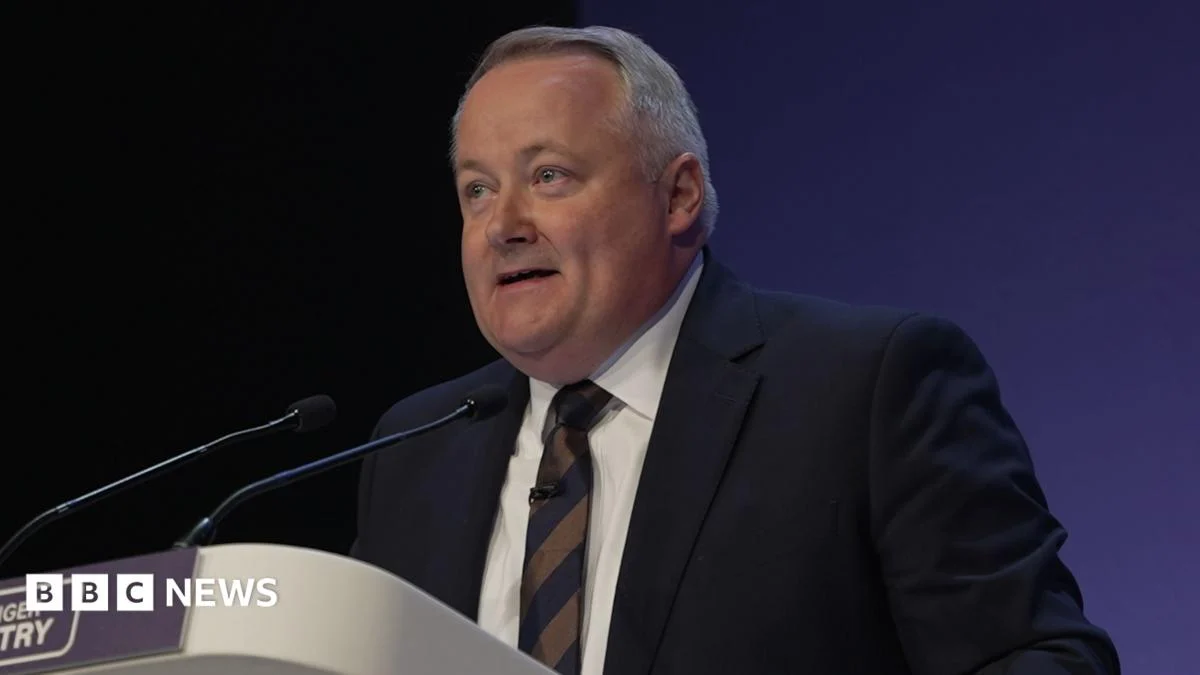
Welsh Conservative leader Darren Millar attacked the first minister’s independence push, accusing the government of failing to improve public services or support Welsh businesses, according to BBC News.
The criticism came as part of ongoing political debate over Welsh independence, with Millar suggesting the first minister should focus on delivering daily governance rather than pursuing constitutional change. BBC News reported that Rhun ap Iorwerth, leader of Plaid Cymru, was the target of these remarks.
Key Facts
- Darren Millar criticized the first minister’s independence push.
- He claimed public services had not improved under current leadership.
- He stated Welsh businesses had not received adequate support.
- The comments were reported by BBC News.
- Plaid Cymru leader Rhun ap Iorwerth was the target of the criticism.
What Did the Criticism Focus On?
Darren Millar, leader of the Welsh Conservatives, directly challenged the first minister’s independence push, calling for a renewed focus on public service delivery and economic support. According to BBC News, he argued that the government had failed to improve public services or provide sufficient assistance to Welsh businesses. These claims reflect ongoing tensions between unionist and nationalist parties in the Welsh Parliament, where debates over self-governance remain contentious.
While the source does not specify which public services or which businesses were referenced, the broader context involves long-standing discussions about Wales’ constitutional future. Support for independence has fluctuated in recent years, with polling indicating mixed public opinion. Millar’s remarks appear aimed at reinforcing unionist positions within Welsh politics, especially as pro-independence voices gain traction in certain demographics.
Who Is Affected by This Exchange?
The political exchange impacts Welsh voters, particularly those concerned about public service quality and business confidence amid ongoing constitutional discussions. BBC News noted that Rhun ap Iorwerth, leader of Plaid Cymru, was the target of Millar’s criticism. As a prominent advocate for Welsh independence, Iorwerth’s policy platform includes strengthening devolved powers and, ultimately, achieving full separation from the United Kingdom.
Business communities in Wales may also take interest, as the independence push continues to shape economic discourse. Unionist leaders often argue that independence introduces uncertainty that could harm investment, while nationalists contend it would allow Wales to control its own fiscal and regulatory environment. Regardless of perspective, the debate underscores deepening divisions over Wales’ future within the UK.
What We Know — and What We Don’t
Verified by the source:
- Darren Millar criticized the first minister’s independence push.
- He accused the government of failing to improve public services.
- He claimed Welsh businesses had not been adequately supported.
- BBC News reported these statements.
- Rhun ap Iorwerth was the named target of the criticism.
Still unconfirmed:
- The specific date or venue of the remarks.
- Which public services were cited.
- What evidence supports the claims about business support.
- Whether the first minister or Plaid Cymru responded officially.
- The broader electoral or policy implications of the remarks.
Why It Matters
This exchange highlights the enduring divide in Welsh politics between unionist and nationalist movements. As debates over devolution intensify, public trust in governance and economic stability remain central concerns for voters. The independence push continues to influence party platforms and media coverage across the UK.
What To Watch
Further political developments may include official responses from the Welsh Government or Plaid Cymru, as well as upcoming parliamentary sessions where independence-related legislation could be discussed. Updates from reliable sources like BBC News will provide clarity on evolving positions.
Welsh political tensions underscore broader questions about devolution and governance in the United Kingdom today.