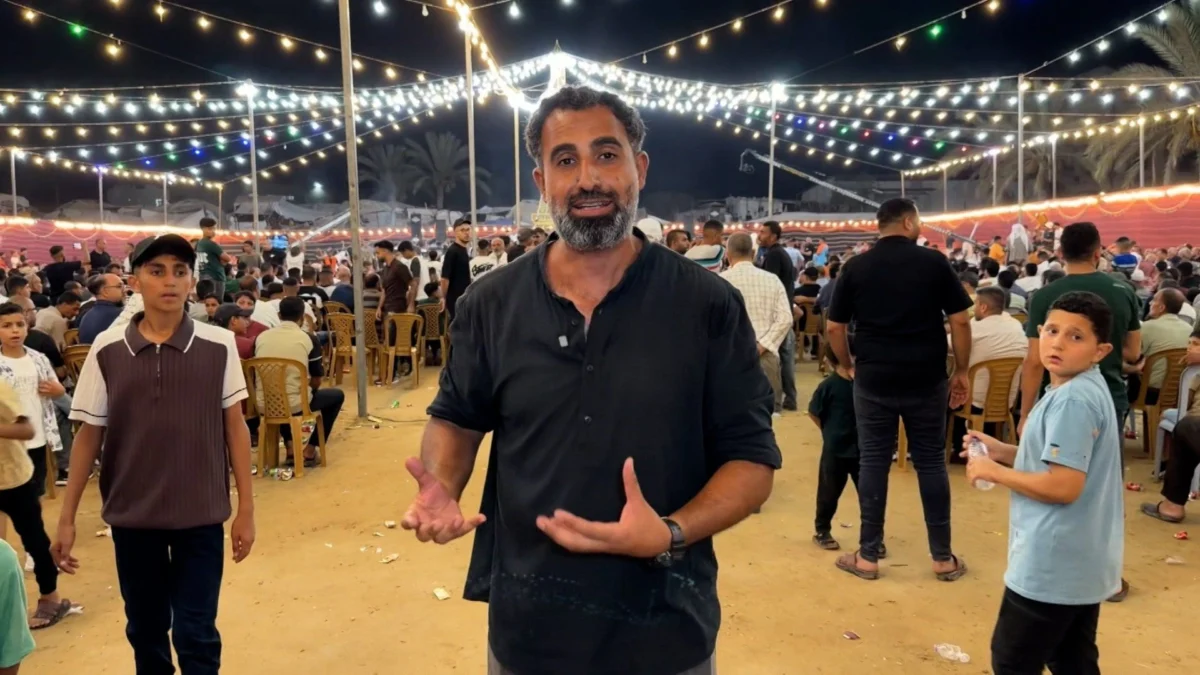
Weddings in Gaza are providing moments of joy for Palestinian families despite the ongoing conflict with Israel, according to a report by Al Jazeera. These celebrations offer a brief escape from the daily hardships faced by residents.
The report highlights how wedding ceremonies have become an important cultural touchstone for communities enduring prolonged violence. While details about specific events remain scarce, the broader significance of these gatherings as acts of resilience is clear.
Key Facts
- Weddings in Gaza offer temporary relief from conflict conditions
- Palestinian families use ceremonies as moments of celebration
- Events occur amid what Al Jazeera describes as “Israel’s genocidal war”
How do weddings provide relief?
In a region marked by constant conflict, wedding traditions maintain cultural continuity and provide psychological respite. The ceremonies allow communities to celebrate love and life despite surrounding violence, serving as temporary escapes from the daily realities of war.
What challenges do couples face?
Organizing weddings during active conflict presents numerous difficulties, from security concerns to economic constraints. Yet families continue to uphold marriage customs as acts of normalcy and resistance against the backdrop of violence. The determination to celebrate demonstrates the resilience of Gaza’s population.
What We Know — and What We Don’t
Verified by the source:
- Weddings are occurring in Gaza despite the conflict
- These events provide emotional relief for participants
Still unconfirmed:
- Specific numbers or locations of recent weddings
- Detailed accounts of how couples adapt ceremonies to wartime conditions
- Official statements from Israeli government about the reported “genocidal war” characterization
Why It Matters
The persistence of wedding traditions in Gaza highlights the universal human need for celebration and connection, even in the most difficult circumstances. These events demonstrate cultural resilience and provide psychological relief for participants, offering temporary reprieve from the trauma of conflict.
What To Watch
Will wedding traditions continue as the conflict persists, and how might they evolve under prolonged wartime conditions? Monitoring cultural practices may provide insight into civilian coping mechanisms during extended periods of violence.