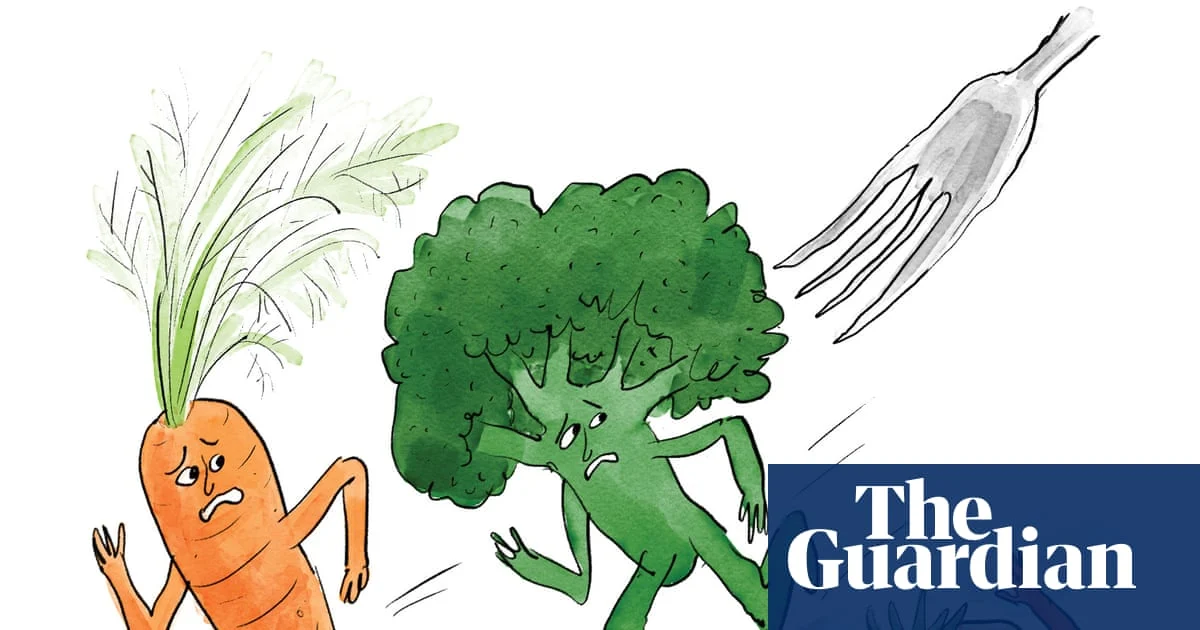
Eating 30 different plant foods a week is linked to a more diverse gut microbiome, but it is not a proven magic number.
The claim comes from a 2018 study of over 10,000 participants in the US, UK and Australia. Researchers compared stool samples with diet reports and found higher microbial diversity among those who ate more than 30 plant foods weekly.
Key Facts
- Study year: 2018
- Participants: over 10,000 people in three countries
- Higher gut diversity linked to eating > 30 plant foods per week
- Lower diversity linked to eating < 10 plant foods per week
How did we get here?
The research combined stool‑sample analysis with self‑reported dietary habits. It identified a correlation between the number of plant varieties consumed and microbial variety.
Who is affected?
The findings are relevant to anyone interested in gut health, including supplement makers who may use the 30‑plant figure in marketing.
What happens next?
Industry observers note that the supplements market could capitalise on the claim, despite the lack of a definitive “healthy gut” definition.
What We Know — and What We Don’t
Verified by the source:
- The 2018 study involved more than 10,000 people in the US, UK and Australia.
- Participants who ate more than 30 plant foods a week showed more diverse gut microbes.
- Those who ate fewer than 10 plant foods a week showed less diversity.
Still unconfirmed:
- Whether 30 plant foods is a required threshold for gut health.
- The exact definition of a “healthy” gut microbiome.
- How supplement companies may use the claim in marketing.
Why it matters: Understanding the link between diet diversity and gut microbes helps consumers make informed choices about nutrition and potential supplements.
What to watch: Future research may clarify the optimal range of plant variety for gut health and test the impact of supplement claims.