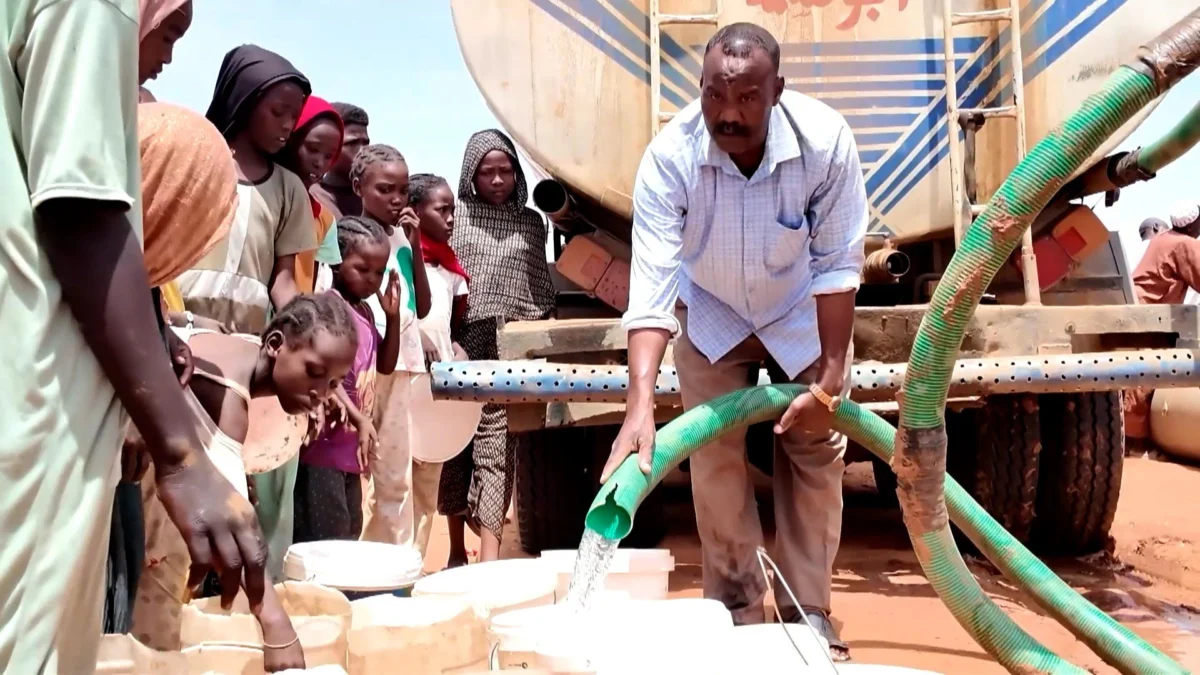
Families displaced by war in Sudan’s El Obeid refugee camps are struggling with severe water shortages, exacerbating already dire living conditions. According to Al Jazeera, the lack of water has made daily survival even more challenging for those forced to flee their homes due to ongoing conflict.
The crisis highlights the broader humanitarian challenges in Sudan, where displacement and resource scarcity have become critical issues. The situation in El Obeid is a stark reminder of the urgent need for international aid and sustainable solutions.
KEY FACTS
- Families in Sudan’s El Obeid refugee camps face crippling water shortages.
- The crisis is linked to ongoing war and displacement in the region.
- No specific figures on the number of affected individuals are provided.
- The source does not mention any immediate relief efforts or responses.
WHO IS AFFECTED?
The water crisis primarily impacts families displaced by war who have sought refuge in El Obeid’s camps. These individuals are already vulnerable due to the loss of homes and livelihoods, and the lack of water adds another layer of hardship. Without access to clean water, health risks such as dehydration and waterborne diseases increase significantly.
Refugee camps often rely on limited infrastructure, making them particularly susceptible to resource shortages. The situation in El Obeid underscores the broader struggles faced by displaced populations in conflict zones.
HOW DID WE GET HERE?
The water crisis in El Obeid’s refugee camps stems from the ongoing conflict in Sudan, which has forced thousands to flee their homes. Displacement strains local resources, and the camps’ infrastructure is often inadequate to meet the needs of a growing population. Water scarcity is a recurring issue in many refugee settings, exacerbated by climate variability and poor management.
While the immediate cause is the war, the crisis also reflects systemic challenges in humanitarian response and resource allocation. Addressing these issues requires coordinated efforts from local and international organizations.
WHAT WE KNOW — AND WHAT WE DON’T
Verified by the source:
- Families in El Obeid’s refugee camps are experiencing severe water shortages.
- The crisis is linked to displacement caused by war in Sudan.
Still unconfirmed:
- The exact number of people affected by the water shortages.
- Whether any aid organizations are currently intervening in the camps.
- The long-term plans to address water scarcity in the region.
WHY IT MATTERS
Water shortages in refugee camps are a matter of life and death, affecting health, sanitation, and overall survival. The crisis in El Obeid is a microcosm of the broader humanitarian challenges in Sudan, where conflict and displacement continue to strain resources. Without immediate intervention, the situation could worsen, leading to further suffering and instability.
WHAT TO WATCH
Monitoring the response from humanitarian organizations will be critical in addressing the water crisis in El Obeid. The international community’s ability to provide aid and sustainable solutions will determine whether conditions improve for the displaced families.