LEDE
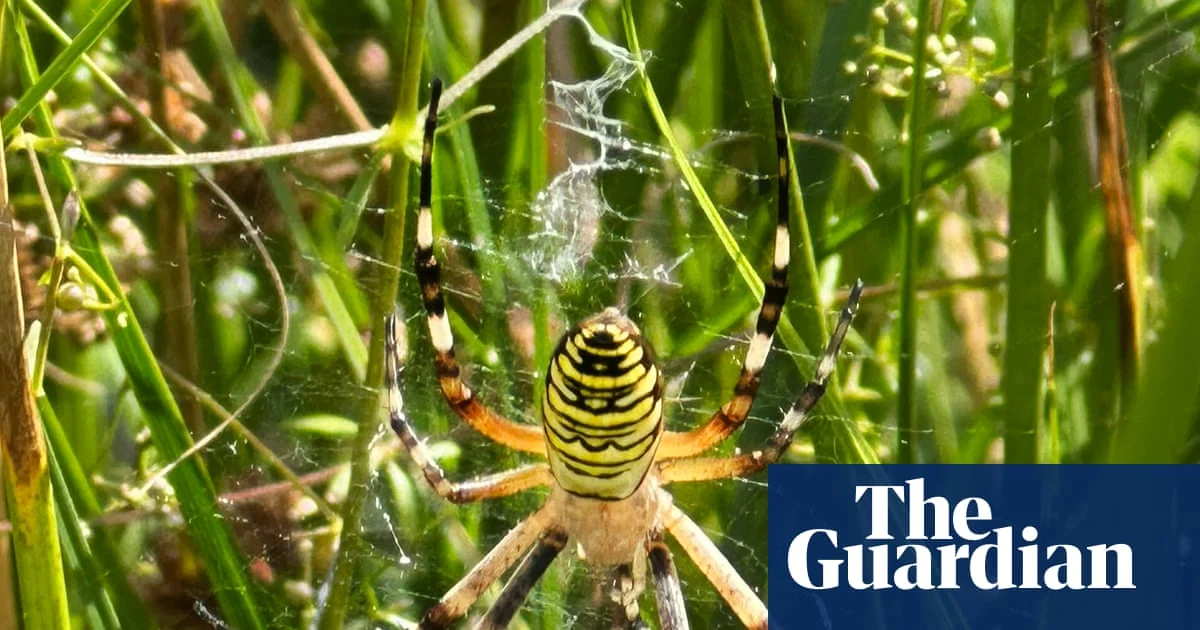
A wasp spider, known scientifically as Argiope bruennichi, has been spotted in Cheshire, northern England, for the first time, marking it as another potential climate refugee amid rising global temperatures. Conservationists from Chester Zoo discovered the brightly colored spider in a rewilded field, suggesting shifting environmental conditions may be allowing the species to expand its range. This sighting adds to a growing trend of non-native species appearing farther north and west across Britain.
KEY FACTS
- A fully grown female Argiope bruennichi was found in Cheshire, England.
- The species is native to mainland Europe, north Africa, and Asia.
- The spider is rarely seen in northern and western parts of Britain.
- The discovery was made by conservationists from Chester Zoo.
- The wasp spider spins intricate patterns in its webs and preys on other insects.
THE STORY
Who Is Affected?
The arrival of the wasp spider in northern England signals broader shifts in wildlife distribution driven by climate change. Native to warmer regions such as mainland Europe, north Africa, and much of Asia, this spider thrives in temperate climates. As global heating raises average temperatures, many species are migrating toward cooler zones, often ending up in areas previously too cold for survival. In Britain, most records of Argiope bruennichi come from southern counties where conditions remain suitable. Now, with one confirmed sighting in Cheshire, experts worry that continued warming could lead to further colonization in regions once considered unsuitable.
How Did We Get Here?
Chester Zoo conservationists made the unexpected discovery while surveying a rewilded field—an area managed to encourage natural processes and biodiversity. Rewilding projects typically support native flora and fauna but can also unintentionally create habitats attractive to invasive or migrating species. The presence of such a vivid predator raises questions about how local ecosystems might adapt. While the wasp spider does not pose a direct threat to humans, its introduction may disrupt existing food chains and compete with native spiders for resources. Monitoring efforts will likely focus on tracking whether more individuals arrive and establish breeding populations.
What Happens Next?
Ecologists expect increased vigilance and possible formal surveys following this first documented case in the region. Authorities may reassess conservation strategies if additional sightings occur. Scientists studying climate-driven migration patterns rely heavily on opportunistic observations like this one to build predictive models. Continued monitoring through citizen science programs and zoo-led research initiatives could help map future movements of the species. However, without long-term data collection, it remains unclear whether this represents a temporary visit or part of a sustained northward shift.
VERIFIED BY THE SOURCE:
- A female wasp spider was observed in Cheshire by Chester Zoo staff.
- It is uncommon in northern and western Britain.
- Rewilded fields were part of the location where the spider appeared.
- No mention of harm to humans was included.
li>The species is native to Europe, Asia, and North Africa.
STILL UNCONFIRMED:
- Whether the spider has established a breeding population.
- Exact timing of the discovery or how long it stayed.
- Impact of the spider on native British wildlife.
- Long-term trends in arachnid movement due to climate change.
WHY IT MATTERS
This sighting illustrates a larger ecological reality: as temperatures rise, wildlife ranges are shifting poleward. Understanding these changes helps policymakers plan for biodiversity protection and ecosystem resilience. For everyday readers, noticing new creatures in familiar landscapes underscores the tangible effects of climate change.
WHAT TO WATCH
Future reports may clarify whether more wasp spiders appear in northern Britain. Ongoing research and public reporting could shape our understanding of climate-driven species relocation.