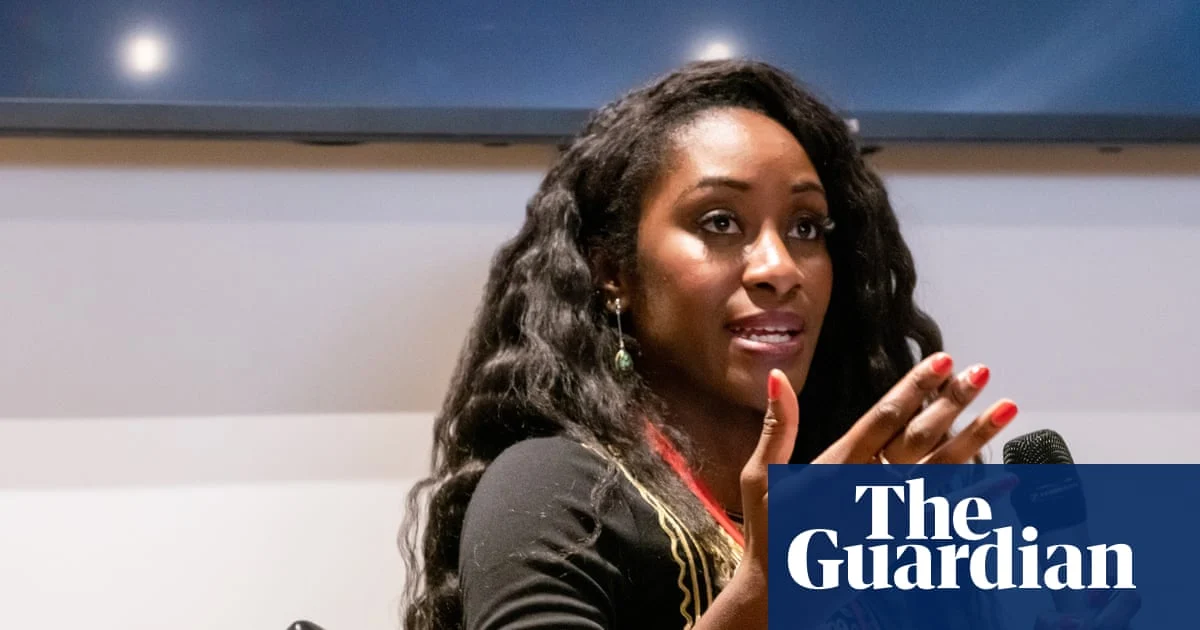
The Washington Post must reinstate opinion columnist Karen Attiah after an arbitrator found the newspaper improperly fired her over social media posts about conservative activist Charlie Kirk, according to Business | The Guardian. The ruling stated the Post violated her rights as a union-protected employee and ordered compensation for lost wages.
Attiah, a high-profile columnist, was abruptly terminated in September following her comments about Kirk, who was recently slain at the time. The arbitrator’s decision highlights tensions between media organizations and employee protections under union contracts.
KEY FACTS
- An independent arbitrator ordered the Washington Post to reinstate Karen Attiah.
- The Post fired Attiah in September over social media posts about Charlie Kirk.
- The arbitrator ruled the termination violated her union-protected rights.
- The Post must compensate Attiah for lost wages.
Why Was Attiah Fired?
The Washington Post terminated Karen Attiah last September following her social media comments about Charlie Kirk, a conservative activist who had been recently slain. While the exact nature of her posts was not detailed in the source, the arbitrator determined the dismissal violated protections afforded by her union status. The Post has not publicly commented on the specifics of the case beyond acknowledging the arbitrator’s ruling.
What Does the Ruling Mean?
The arbitrator’s decision reinforces the power of union contracts in disputes over employee discipline. By ordering Attiah’s reinstatement and back pay, the ruling suggests the Post lacked sufficient grounds under the terms of its labor agreement to justify her termination. The outcome may influence how other media organizations handle similar disputes involving unionized staff.
WHAT WE KNOW — and WHAT WE DON’T
Verified by the source:
- The Washington Post fired Karen Attiah in September over social media posts about Charlie Kirk.
- An arbitrator ruled the termination violated her union protections.
- The Post must reinstate her and provide compensation.
Still unconfirmed:
- The exact content of Attiah’s social media posts.
- Whether the Post will appeal the arbitrator’s decision.
- How this ruling affects broader Post policies on employee social media use.
WHY IT MATTERS
This case underscores the tension between employers’ control over public statements by staff and the protections afforded by union contracts. As media organizations grapple with employees’ social media activity, rulings like this could set precedents for how far companies can go in enforcing conduct policies.
WHAT TO WATCH
The Washington Post has not indicated whether it will comply with the ruling or pursue further legal action. The outcome may influence future labor disputes in the media industry.