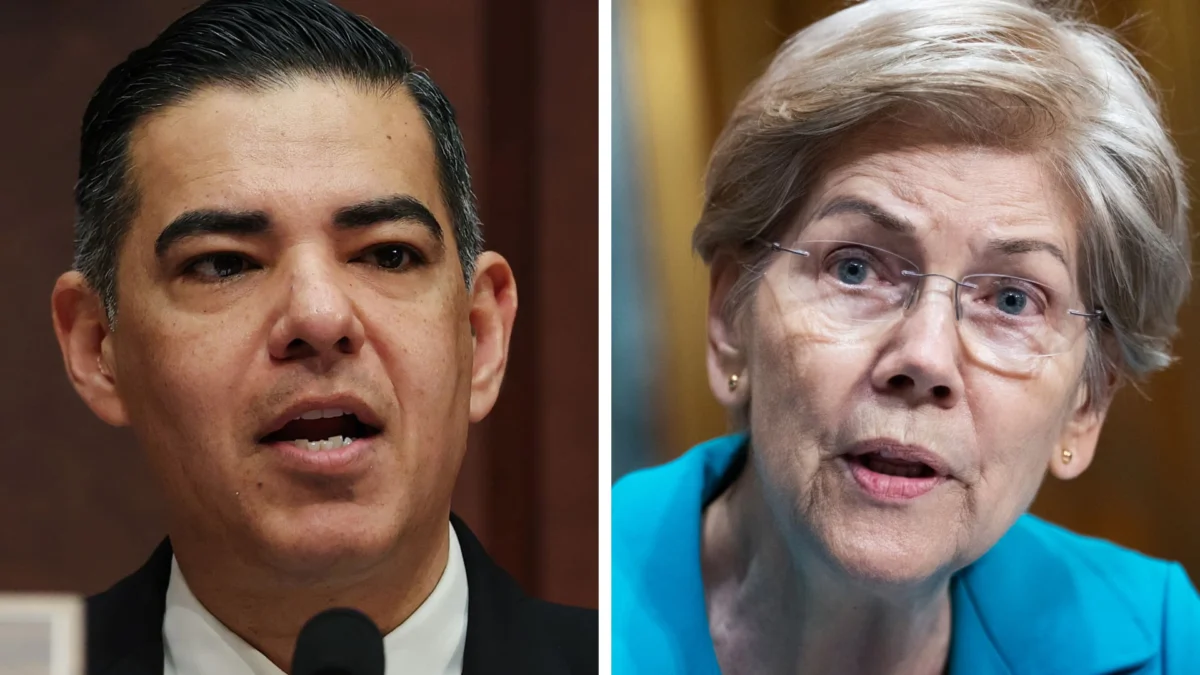
Legislation led by Sen. Elizabeth Warren and Rep. Robert Garcia is now eyeing banks and executives with ties to Jeffrey Epstein, seeking to compel release of records related to the late financier. The effort reflects ongoing scrutiny of financial institutions connected to Epstein, whose 2019 arrest on federal charges of sex trafficking of minors and subsequent 2020 jail death reignited public and congressional interest in his network.
The proposed legislation would require certain banks and executives to disclose documents tied to Epstein, according to US Top News and Analysis. Lawmakers frame the measure as part of broader oversight into financial ties linked to Epstein, whose death in custody was ruled a suicide.
KEY FACTS
- Legislation is being led by Sen. Elizabeth Warren and Rep. Robert Garcia.
- The legislation targets banks and some executives connected to Jeffrey Epstein.
- The legislation seeks to force the release of records related to Jeffrey Epstein.
What happens next?
The next steps remain unclear. According to US Top News and Analysis, the legislation is still in draft or early development, and no formal vote has been scheduled. Banking committees in the House and Senate would likely review the bill first, followed by floor consideration if advanced. Given the ongoing sensitivity of the Epstein case, the measure may face political hurdles, particularly from lawmakers or institutions reluctant to revisit decades-old allegations.
The Epstein case continues to draw public attention nearly five years after his death. A recent release of documents and settlements has kept the story alive, prompting calls for expanded records access. If passed, the legislation could set precedent for congressional demands on financial institutions involved in high-profile investigations.
Who is affected?
The legislation would broadly affect banks and certain executives tied to Jeffrey Epstein’s financial dealings. These institutions could be required to release internal and transaction records, potentially exposing past business relationships. The move may also impact other lawmakers, as oversight pressure builds around accountability for individuals and entities involved in Epstein’s network.
Financial firms often resist expansive disclosure requests, citing confidentiality and regulatory concerns. However, congressional subpoena powers could override such resistance if the legislation clears relevant committees. Legal experts note that similar past efforts have faced pushback from major banks, particularly those with international ties.
HOW DID WE GET HERE?
Interest in Jeffrey Epstein’s financial connections has persisted since his 2008 non-prosecution agreement under scrutiny for years. Renewed attention followed his 2019 arrest and 2020 death in federal custody. Lawmakers have since sought greater transparency into his alleged trafficking ring and associated wealth transfers.
Democratic lawmakers, including Warren and Garcia, have previously pressed financial institutions for information on high-profile clients. This new legislative push represents an escalation, focusing specifically on those with documented ties to Epstein. Past disclosures revealed major banks processed millions in transactions linked to him before his final arrest.
WHAT WE KNOW — AND WHAT WE DON’T
Verified by the source:
- Sen. Elizabeth Warren and Rep. Robert Garcia are leading new legislation targeting banks and executives tied to Jeffrey Epstein.
- The legislation aims to force release of records related to Jeffrey Epstein.
Still unconfirmed:
- No specific banks or executives named in available reporting.
- Fine details of the proposed legislation text or scope remain unclear.
- Timing and likelihood of formal congressional action not specified.
WHY IT MATTERS
This proposed oversight effort speaks to a wider debate about government transparency and financial accountability. For Americans seeking answers about powerful figures and institutions, expanded access to Epstein-related records could offer new clarity—even if the case itself remains closed.
WHAT TO WATCH
Watch for whether any financial institutions or lawmakers publicly respond to the proposed legislation. No official timeline or confirmation date has been provided.
Government transparency often hinges on persistent inquiry, not isolated investigations.