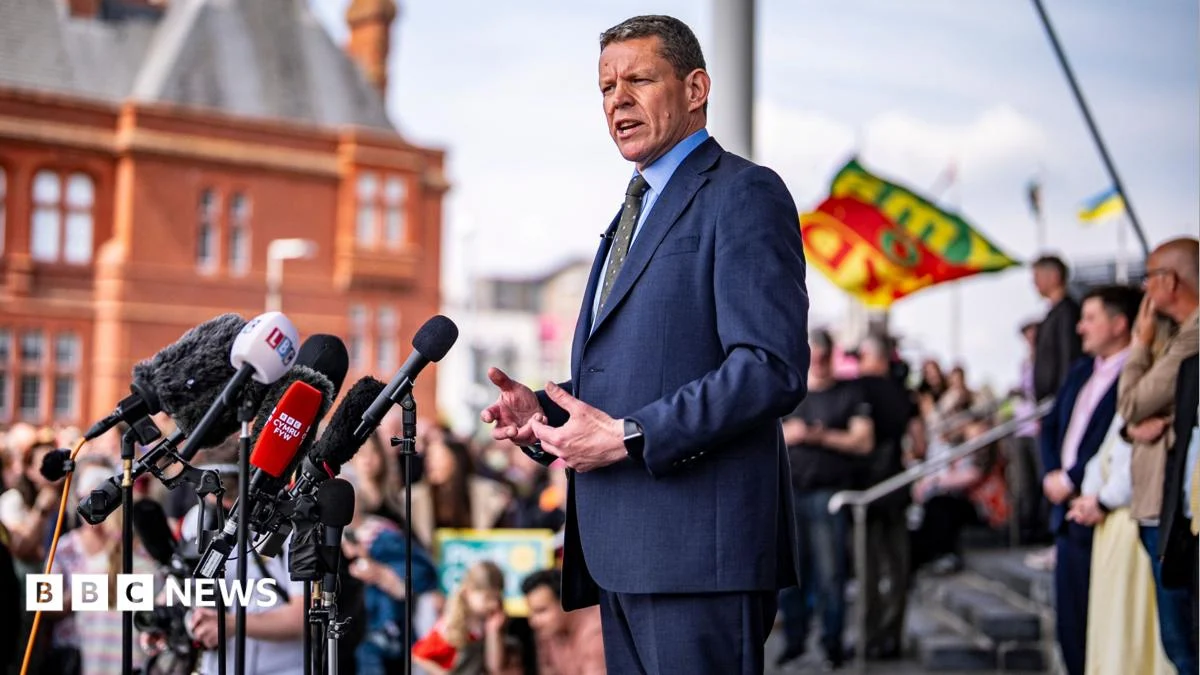
First Minister Rhun ap Iorwerth has demanded a ‘new deal’ for Wales ahead of Plaid Cymru’s first conference since winning the Senedd election. The appeal comes as political tensions mount over the allocation of powers and funding between the Welsh government and Westminster, with Plaid Cymru set to gather members for a key policy event. The new deal for Wales is likely to dominate discussions among delegates who will weigh future priorities for the devolved administration.
The conference marks Plaid Cymru’s first major gathering since securing victory in the Senedd election, making it a pivotal moment for shaping the party’s legislative agenda. With growing calls for greater fiscal autonomy, the demand for a new deal for Wales underscores ongoing friction between Cardiff Bay and London over resource distribution. Attendees are expected to debate strategies for advancing Welsh interests within the broader UK constitutional framework.
Key Facts
- First Minister Rhun ap Iorwerth has demanded a new deal for Wales.
- Plaid Cymru is holding its first conference since winning the Senedd election.
- The conference will bring together party members to discuss policy direction.
- The new deal for Wales addresses funding and devolved powers.
What happens next?
The outcome of the Plaid Cymru conference may determine whether concrete proposals emerge to formalise the new deal for Wales. Delegates are poised to review policy platforms that could influence negotiations with the UK government, particularly around fiscal autonomy and legislative discretion. While no formal timetable has been announced, the event is expected to produce resolutions that outline long-term objectives for Welsh self-governance. These developments will likely shape future dialogue between Cardiff and Westminster, with potential implications for budget allocations and regulatory authority. Stakeholders across public institutions and civic organisations are watching closely as the implications of a new deal for Wales unfold. Observers note that the conference represents a rare opportunity to align internal priorities with external advocacy efforts aimed at securing enhanced powers. Should party members endorse ambitious reforms, pressure may intensify on the UK government to engage in structured discussions about constitutional change. This dynamic adds urgency to preparations for the gathering, where strategic messaging will play a central role in framing narratives around sovereignty and accountability. Analysts suggest that clarity achieved during the conference could catalyse broader momentum toward meaningful reform.
Who is affected?
The push for a new deal for Wales carries direct consequences for residents, businesses, and public services operating under devolved jurisdictions. Citizens rely heavily on decisions made at the Senedd regarding healthcare, education, and infrastructure investment, all of which fall under the scope of prospective reforms. Economic actors, including entrepreneurs and trade bodies, have expressed interest in seeing simplified regulatory frameworks emerge from expanded legislative latitude. Meanwhile, international partners monitoring democratic governance in the UK view these proceedings as indicative of evolving relationships between central and regional authorities. For civil society groups advocating transparency and representation, the conference offers an opportunity to hold leaders accountable through public engagement mechanisms. Their involvement ensures that grassroots perspectives inform high-level deliberations, reinforcing democratic legitimacy throughout the process. Ultimately, the success of the new deal for Wales depends not only on political consensus but also on sustained collaboration between governmental layers and societal stakeholders.
How did we get here?
The roots of today’s push for a new deal for Wales trace back to decades of limited financial independence, prompting repeated appeals for reform from successive administrations in Cardiff Bay. Following Plaid Cymru’s electoral triumph, momentum has grown for revisiting agreements that govern intergovernmental cooperation, especially concerning taxation and spending powers. Past efforts to negotiate constitutional settlements have encountered resistance from Westminster officials reluctant to cede control over key economic levers. Nevertheless, mounting public frustration with perceived disparities in resource distribution has fuelited calls for decisive action, culminating in this week’s high-profile demand. The stage was set long before Rhun ap Iorwerth assumed office, rooted deeply in historical grievances dating back generations when asymmetric arrangements first took hold across the British Isles. Over time, shifting demographics and rising expectations among younger populations have further complicated traditional power structures, creating fertile ground for radical proposals like those championed by Plaid Cymru. What emerged reflects both continuity and disruption—a balancing act requiring careful navigation forward.
What We Know — and What We Don’t
Verified by the source:
- First Minister Rhun ap Iorwerth has officially requested a new deal for Wales.
- Plaid Cymru is preparing for its first conference following the recent Senedd election victory.
- Delegates convening at the conference will deliberate on policy directions aligned with Welsh national interests.
Still unconfirmed:
- Specific terms or timelines attached to the proposed new deal for Wales.
- Responses or counter-proposals from the UK government or other parties involved.
- Extent of support among conference attendees for pursuing more extensive reforms beyond current rhetoric.
Why It Matters
The campaign for a new deal for Wales reflects wider debates about democracy, fairness, and self-determination affecting millions living across the region. As global uncertainties reshape economies and societies, devolved governments increasingly seek tools enabling responsive policymaking tailored to local realities rather than centrally imposed mandates. Understanding these dynamics helps contextualise ongoing shifts reshaping the UK’s territorial constitution while informing citizens eager to participate meaningfully in civic life.
What To Watch
Future announcements detailing concrete steps toward implementing the new deal for Wales should provide clearer insight into how theoretical commitments translate into practical outcomes. Updates from the Plaid Cymru conference will offer preliminary indications of whether broad ambitions convert into actionable plans supported by sufficient political will.
Plaid Cymru conference 2025 focuses on Welsh devolution after Senedd election win. Politics | Top Stories