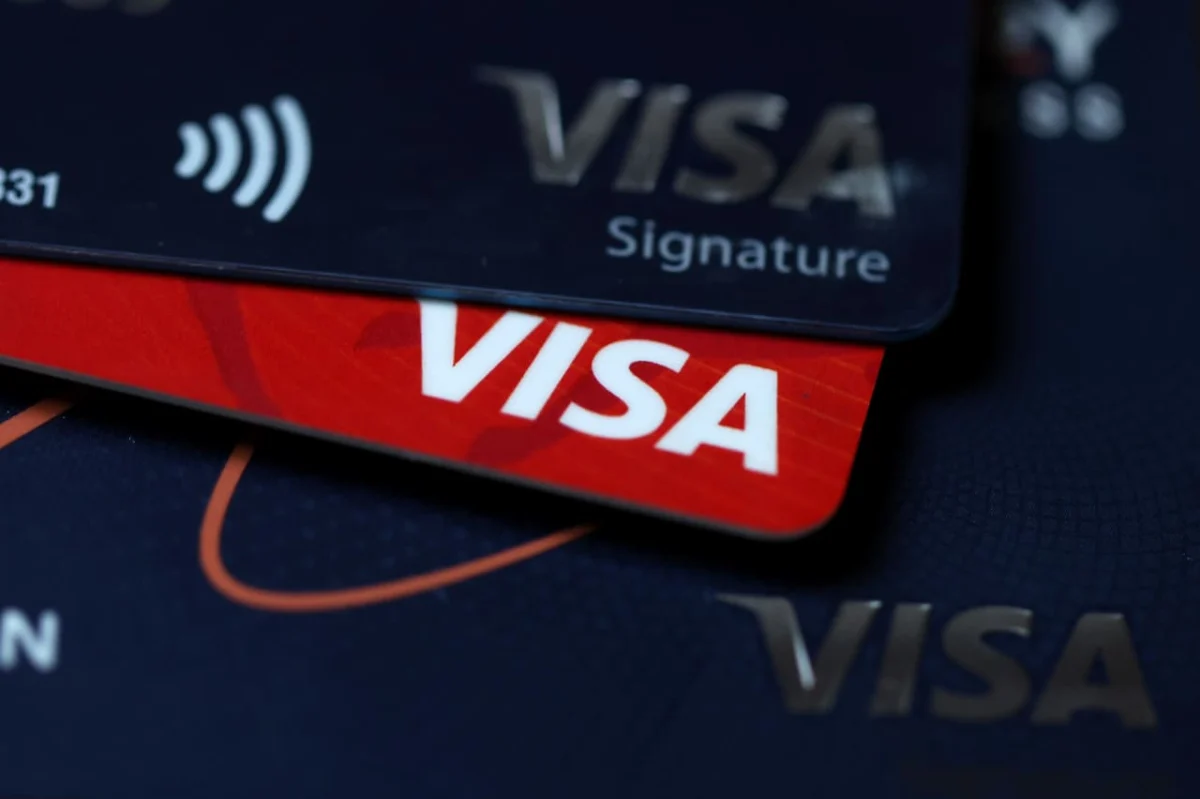
Visa and Mastercard stocks have surged to new record highs, reflecting the ongoing resilience of the U.S. consumer. Despite a more discerning approach to purchases, aggregate spending remains robust, signaling confidence in the economy.
This milestone underscores the pivotal role of consumer spending in driving the economy, particularly in challenging times. Reports indicate that while shoppers are becoming choosier, their overall expenditure has not significantly waned, supporting businesses and markets alike.
Key Facts
- Visa and Mastercard stocks reached fresh record highs.
- Aggregate spending by U.S. consumers remains strong.
- American shoppers are becoming more selective in their purchases.
What This Means for the Economy
The rise in Visa and Mastercard stock prices is a clear indicator of consumer confidence. Despite economic uncertainties, shoppers continue to spend, albeit more cautiously. This resilience is crucial for sustaining economic growth, as consumer spending accounts for a significant portion of GDP.
How Did We Get Here?
Over the past few years, consumer behavior has evolved, with a greater emphasis on value and necessity. However, the overall spending levels have remained stable, buoyed by factors such as employment gains and wage growth. This stability has translated into strong performance for payment processing companies like Visa and Mastercard.
What We Know — and What We Don’t
Verified by the source:
- Visa and Mastercard stocks hit fresh records.
- Aggregate spending remains strong.
Still unconfirmed:
- Detailed breakdown of consumer spending categories.
- Specific factors driving increased selectivity in purchases.
Why It Matters
Strong consumer spending is a cornerstone of economic health, providing businesses with the revenue needed to sustain operations and growth. The robust performance of Visa and Mastercard stocks signals continued consumer engagement, which is vital for broader economic stability.
What To Watch
Continued monitoring of consumer spending trends will be crucial to understanding the trajectory of the U.S. economy. Any significant shifts in spending behavior could impact market performance and economic forecasts.