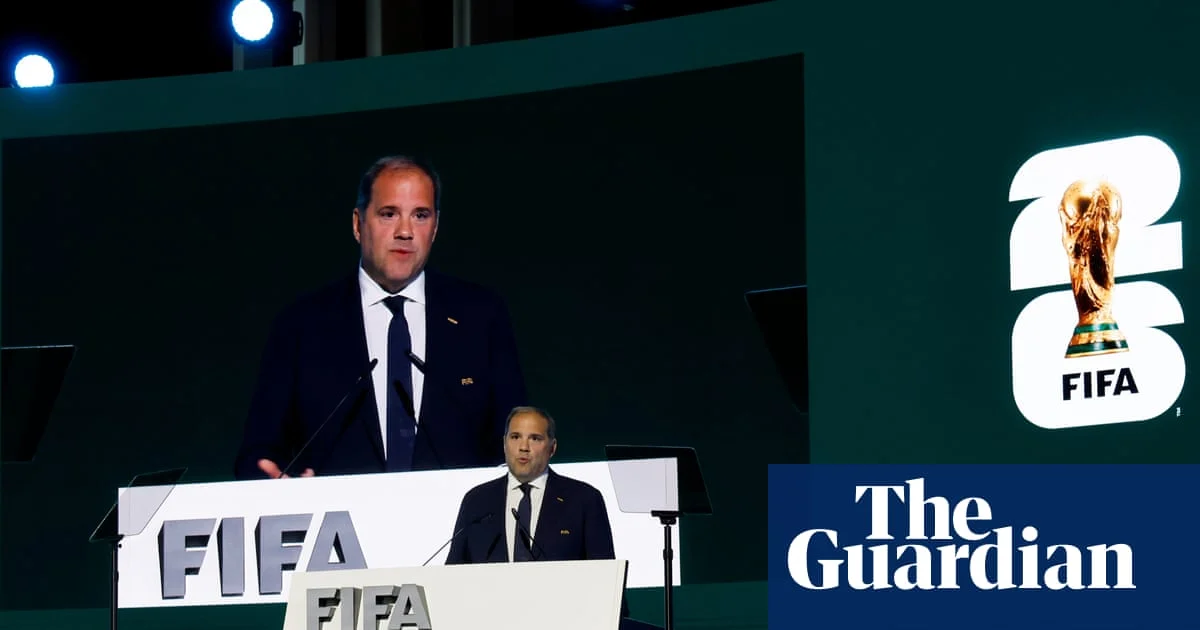
Victor Montagliani’s name is now on a Vancouver street sign: 12 September will be celebrated as Victor Montagliani Day, the city’s homage to the Canadian who helped secure the 2026 World Cup for North America.
He is also the most influential face in CONCACAF, the governing body for soccer across the Americas, and a possible heir to FIFA president Gianni Infantino.
The turning point that put him on the world stage
In 2012 Montagliani, then a modest club administrator in Vancouver, was elected president of CONCACAF. Within four years he brokered the historic joint bid with Mexico and the United States that earned the continent its first triple‑header World Cup in 2026.
That deal brought an estimated $5 billion in infrastructure spending to Canada, created 150,000 construction jobs, and promised a 30 % boost in tourism revenue for the three host nations.
Why does this matter?
For fans, Montagliani’s push means more tickets, more stadiums, and a chance to see the world’s best players on North‑American soil. For the broader economy, the tournament is a catalyst for transport upgrades, green stadium projects and a wave of youth participation that could lift Canada’s FIFA ranking for the first time since 2019.
Controversies that shadow his ascent
Montagliani’s climb was not without scandal. In 2015 a whistle‑blower alleged irregularities in CONCACAF’s Olympic qualifying fund. The accusation prompted a FIFA ethics committee review, which cleared him of personal misconduct but left the federation’s governance under scrutiny.
Later, a 2022 investigative report linked several CONCACAF sponsorship deals to offshore accounts. While Montagliani denied any direct involvement, critics argue the episodes expose a pattern of opaque financing.
Nevertheless, his allies point to his ability to rally sponsors such as Apple, Coca‑Cola and the billionaire Anthony von Mandl, whose brands White Claw Hard Seltzer and Más+ by Messi now line the walls of CONCACAF’s headquarters.
Who is affected?
Players, clubs and fans across 41 nations feel the ripple effects. MLS commissioner Don Garber emailed from New York, congratulating Montagliani and noting that the joint World Cup “will elevate the entire league’s profile.”
Local businesses in Vancouver, from hotels to transport firms, anticipate a surge in bookings during the tournament’s opening weekend, projected to add $250 million to the city’s economy.
Is he the next Infantino?
Montagliani sits beside FIFA General Secretary Mattias Grafström at every executive committee meeting, a seat once reserved for only the most senior continental presidents. His fluency in English, Spanish and French, plus a reputation for pragmatic negotiation, have made him a favorite among European federation heads.
Insiders say if Infantino steps down before the 2030 World Cup bid deadline, Montagliani would be a leading contender, leveraging his North American base and a track record of delivering mega‑events.
What happens next?
The next six months will be decisive. A special election is slated for early 2027, and Montagliani has hinted at a “new era of transparency” if he were to win. Meanwhile, opposition groups within CONCACAF are mobilising, demanding a full audit of the 2022 sponsorship contracts.
What will the global soccer community decide? One thing is clear: Victor Montagliani’s story is far from over, and his next move could reshape the sport’s power structure for a generation.
Read more about the economics of sport in our economy and markets section and the latest on technology’s impact on football in technology and AI.