LEDE
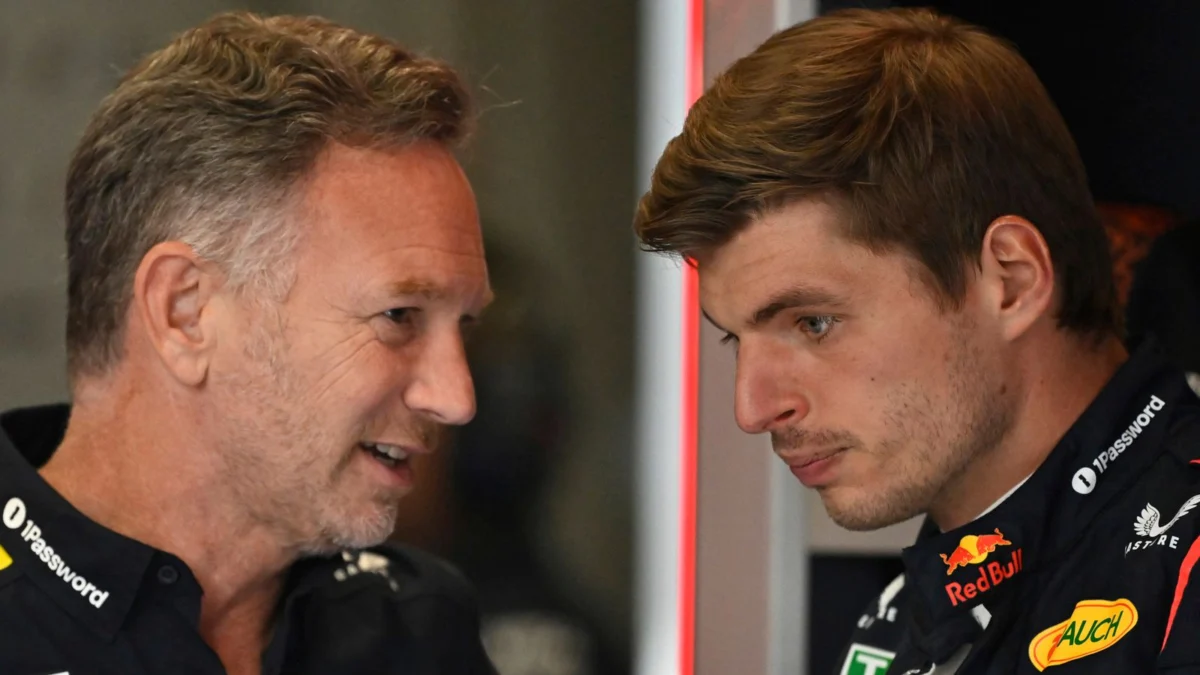
Max Verstappen says the Formula 1 paddock is ‘F1 less stressful’ following Christian Horner’s exit, explaining that constant tension between people made the environment difficult. Verstappen added that it is ‘not nice when you constantly have tension between people,’ suggesting the atmosphere has improved since Horner left.
The comments come amid ongoing changes within the sport’s leadership structure. While Verstappen did not elaborate extensively on specific incidents, his remarks reflect a sentiment of relief regarding the broader team dynamics. His focus remains on performance, though he acknowledged off-track factors can influence on-track results.
KEY FACTS
- Verstappen says F1 is ‘less stressful’ without Horner.
- He states ‘it is not nice when you constantly have tension between people’.
- Horner’s departure marked a significant shift in paddock relations.
- Tensions between personnel affected overall team morale.
- Verstappen emphasized personal comfort amidst structural changes.
The Story
What Changed After Horner’s Exit?
Following Christian Horner’s departure from his role in the Formula 1 organization, Max Verstappen noted a lighter atmosphere within the paddock. The Dutch driver, known for his forthright opinions, described the previous period as stressful due to persistent interpersonal conflicts. Such tensions often ripple into team cohesion and competitive focus, particularly in high-pressure environments like Formula 1.
While Verstappen did not name specific individuals involved in prior disputes, his acknowledgment of reduced stress points to improved working conditions post-departure. This aligns with reports of internal restructuring aimed at fostering collaboration among teams and staff across the grid.
Who Is Affected by This Shift?
Beyond Verstappen, numerous drivers and team members operate within this evolving dynamic. Formula 1 thrives on synergy between technical departments, marketing divisions, and racing crews – all of whom feel the impact of leadership transitions. Reduced friction allows for clearer communication channels and potentially better strategic coordination during race weekends.
Additionally, sponsors and broadcast partners observe these shifts through media narratives and public statements. A harmonious environment supports long-term investment and viewership growth, which are vital for the sport’s sustainability. As teams prepare for upcoming seasons, maintaining positive relationships becomes increasingly important.
WHAT WE KNOW — AND WHAT WE DON’T
Verified by the source:
- Verstappen confirmed the paddock feels less stressful without Horner.
- He referenced ongoing interpersonal tensions affecting workplace culture.
Still unconfirmed:
- Details about the exact nature or duration of past tensions.
- Whether other drivers share similar sentiments publicly.
- Long-term effects on team performance metrics remain speculative.
Why It Matters
Formula 1’s appeal extends beyond speed and strategy – it relies heavily on compelling human stories and stable organizational structures. When top-tier athletes express discomfort over workplace dynamics, it signals deeper concerns that could affect fan engagement and stakeholder confidence. Addressing these issues proactively benefits the entire ecosystem, from manufacturers to media outlets covering global audiences.
What To Watch
Future press conferences may reveal further insights from Verstappen or other drivers about how recent changes continue shaping team environments ahead of next season’s opening rounds.