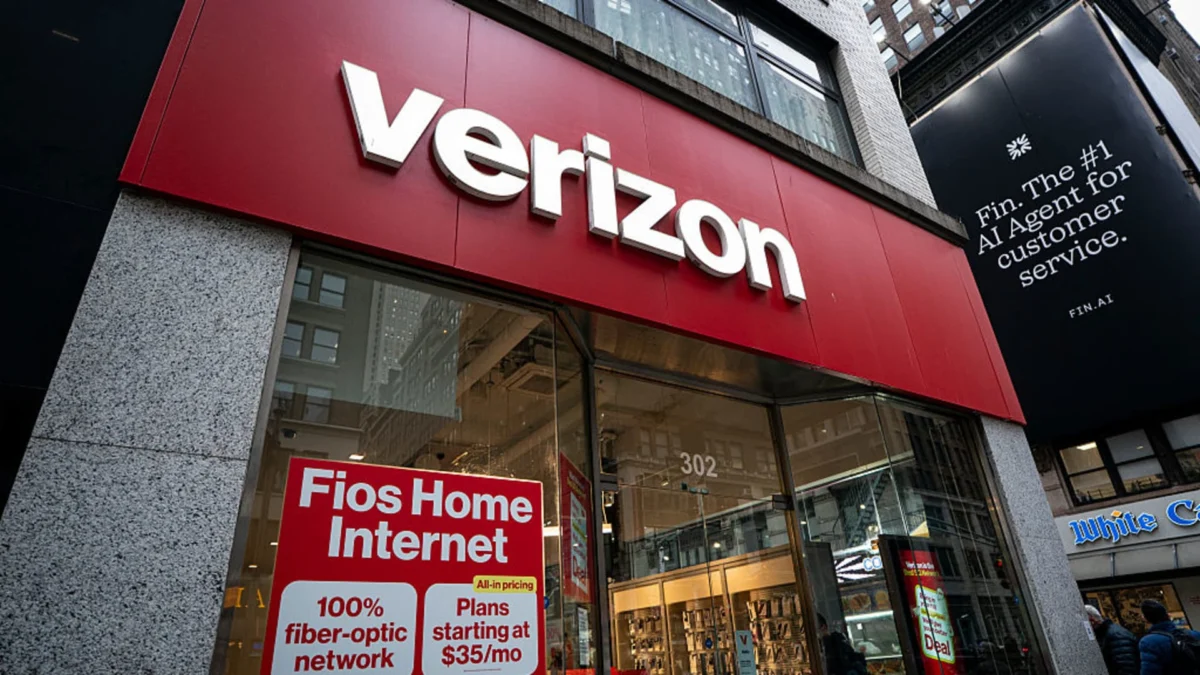
Verizon stock is heading for its worst trading day since 2002 after SpaceX announced a spectrum deal that positions the company to compete more aggressively in the U.S. telecom market through its Starlink service.
The announcement sent shockwaves through the telecommunications sector, dragging down shares of major carriers including Verizon, AT&T, and T-Mobile, all of which have historically dominated the domestic wireless landscape.
Key Facts
- SpaceX announced a spectrum deal on Thursday, signaling deeper entry into the telecom market via Starlink.
- Verizon stock is heading for its worst day since 2002 following the announcement.
- The deal targets the U.S. network market, putting pressure on established telecom providers.
- Starlink service is the vehicle SpaceX is using to expand its telecommunications footprint.
- Shares of AT&T and T-Mobile also fell alongside Verizon after the news broke.
What Happens Next?
Investors and analysts are now watching closely to see how established telecom companies respond to SpaceX’s growing presence in the sector. The spectrum deal, announced Thursday, gives SpaceX access to frequencies critical for delivering broadband services directly to consumers without relying on traditional cell towers.
This development could reshape the competitive landscape, particularly if SpaceX leverages its Starlink satellite constellation to offer affordable, high-speed internet in underserved or rural areas. Regulatory scrutiny may follow, as government agencies evaluate whether the deal aligns with public interest standards and fair competition policies.
Who Is Affected?
Traditional telecom providers such as Verizon, AT&T, and T-Mobile are among the most immediately impacted by SpaceX’s push into the U.S. network market. Their stock prices have taken a hit as investors react to the potential loss of market share and pricing power.
Beyond Wall Street, consumers stand to benefit from increased competition, which could lead to lower prices and improved service quality. Rural communities especially may see expanded access to reliable internet, addressing long-standing infrastructure gaps. Meanwhile, tech investors are re-evaluating their positions in both satellite and telecom sectors.
How Did We Get Here?
SpaceX has steadily expanded its Starlink service since launching its first batch of satellites in 2019. Initially focused on providing internet to remote or underserved regions globally, Starlink has evolved into a major player in global connectivity, serving millions of users worldwide. Over time, the company has worked to reduce latency and improve bandwidth, making its service more competitive with terrestrial broadband offerings.
In recent years, SpaceX has signaled interest in entering the broader telecom market, acquiring licenses and striking partnerships to bridge the gap between satellite-based and ground-based networks. This latest spectrum deal marks one of its boldest moves yet, directly challenging legacy carriers that once faced little disruption beyond occasional mergers and regulatory shifts.
What We Know — and What We Don’t
Verified by the source:
- SpaceX announced a spectrum deal on Thursday.
- Verizon stock is heading for its worst day since 2002.
- SpaceX aims to expand through its Starlink service.
- Shares of AT&T and T-Mobile also declined.
- The deal involves spectrum rights relevant to the U.S. network market.
Still unconfirmed:
- Specific financial terms of the spectrum deal were not disclosed.
- No timeline was provided for implementation or launch of new services.
- Regulatory responses or approval processes remain unknown.
- Exact percentage drops in competitor stock prices were not reported.
- Official statements from Verizon, AT&T, or T-Mobile have not been cited.
Why It Matters
This shift reflects a growing convergence between space technology and consumer communications, challenging decades-old business models in telecommunications. As telecom stocks react to SpaceX’s aggressive expansion, the ripple effects could influence investment flows across tech and infrastructure sectors.
For everyday consumers, the emergence of a powerful satellite-backed telecom provider introduces fresh opportunities for better pricing and service options, especially where wired alternatives are limited or nonexistent. However, questions about network reliability, data privacy, and long-term sustainability will shape public reception moving forward.
What To Watch
Market observers expect further volatility in telecom stocks as details of the spectrum deal emerge. Regulatory filings and official commentary from affected firms may provide clarity on strategic responses and potential legal challenges ahead.