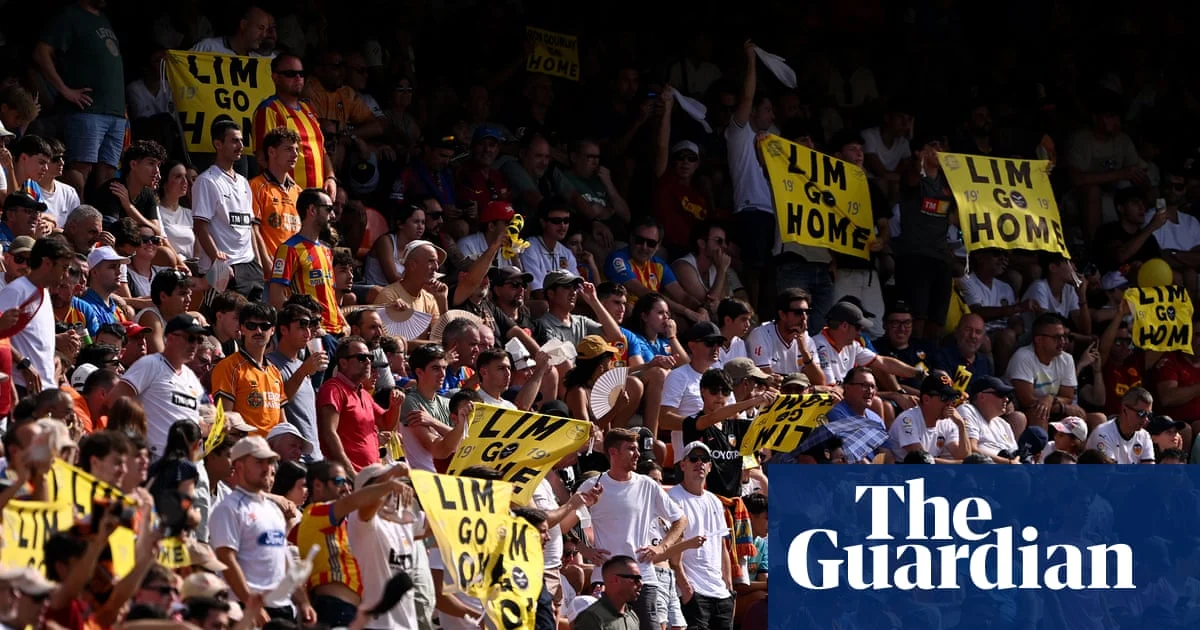
Valencia’s ongoing crisis intensified after World Cup winner Rodri offered a brutally honest assessment of the club’s performance, a moment that exposed long-standing dysfunction beneath the surface. Within days of his off-the-cuff remarks, both the manager and CEO departed, though the underlying issues suggest the turmoil extends far beyond personnel changes alone.
Kiat Lim, the son of the club president, attended his first competitive match in over a year during the fourth week of La Liga on September 6. His arrival coincided with widespread fan discontent, as supporters staged protests outside the stadium and left sections empty until the 19th minute. Barcelona secured a resounding 5-0 victory, underscoring the gulf between expectations and reality at Mestalla.
KEY FACTS
- Rodri criticized Valencia’s performance as “very weak” and “very bad”.
- The manager and CEO left within days following Rodri’s comments.
- Kiat Lim watched the match for the first time since becoming president 18 months ago.
- Fans protested outside the stadium and left parts empty until the 19th minute.
- Barcelona won the match 5-0 with a goal from Lamine Yamal.
What Happened Next?
Following the heavy defeat and public criticism, Valencia swiftly parted ways with their manager and CEO, signaling an attempt to address mounting pressure. However, these moves appear reactive rather than strategic, failing to tackle deeper structural concerns within the organization.
The loss itself highlighted significant gaps in team quality and preparation, especially compared to top-tier opponents like Barcelona. For many observers, the result and subsequent fallout only deepened questions about leadership, investment, and direction at the historic Spanish club.
Despite attempts to reset through executive turnover, fan unrest persists. Supporters continue demanding accountability and clarity on future plans, reflecting dissatisfaction that transcends short-term fixes.
Who Is Affected By This Turmoil?
Players bear the immediate brunt of instability, facing uncertainty over coaching strategies and long-term roles amid shifting hierarchies. Fans endure repeated disappointments while watching beloved figures depart without resolution.
Club staff also face disruptions due to inconsistent messaging and leadership changes. Meanwhile, owners and investors grapple with reputational damage tied to ongoing underperformance despite financial backing.
Nationally, Valencia’s decline affects La Liga’s competitiveness globally. As other clubs elevate standards, continued struggles threaten the league’s appeal and commercial viability across international markets.
How Did We Get Here?
Months of poor results culminated in Rodri’s candid remarks post-match, amplifying existing tensions surrounding club management. His status as a respected figure lent weight to criticisms previously dismissed or ignored internally.
Since taking charge nearly two years prior, the president has overseen minimal improvement. Recurrent defeats and negative publicity have eroded confidence among stakeholders, raising doubts about his ability to steer things toward recovery effectively.
While new leadership may bring temporary optimism, structural reform remains elusive unless deeper systemic flaws get addressed seriously moving forward.
WHAT WE KNOW — AND WHAT WE DON’T
Verified by the source:
<n
- Rodri described Valencia’s display as “very weak” and “very bad”.
- Both the manager and CEO resigned shortly after the match.
- Kiat Lim attended the game for the first time since assuming the presidency.
- Supporters protested outside Mestalla and boycotted portions of the stands.
- Barcelona emerged victorious with a 5-0 scoreline featuring a goal from Lamine Yamal.
Still unconfirmed:
- Details regarding the specific reasons behind the resignations remain unclear.
- No official statement has clarified how recent events will influence club strategy.
- Exact figures related to fan attendance or protest size have not been reported.
- Information about who succeeded the departing executives hasn’t surfaced yet.
Why This Matters
This episode reflects broader challenges plaguing modern football governance, where personal connections often overshadow professional competence. A club steeped in legacy now faces an identity crisis requiring urgent attention beyond cosmetic adjustments.
What To Watch
All eyes turn to whether new leadership can stabilize operations quickly enough to salvage remaining campaign ambitions—or if more upheaval looms ahead.