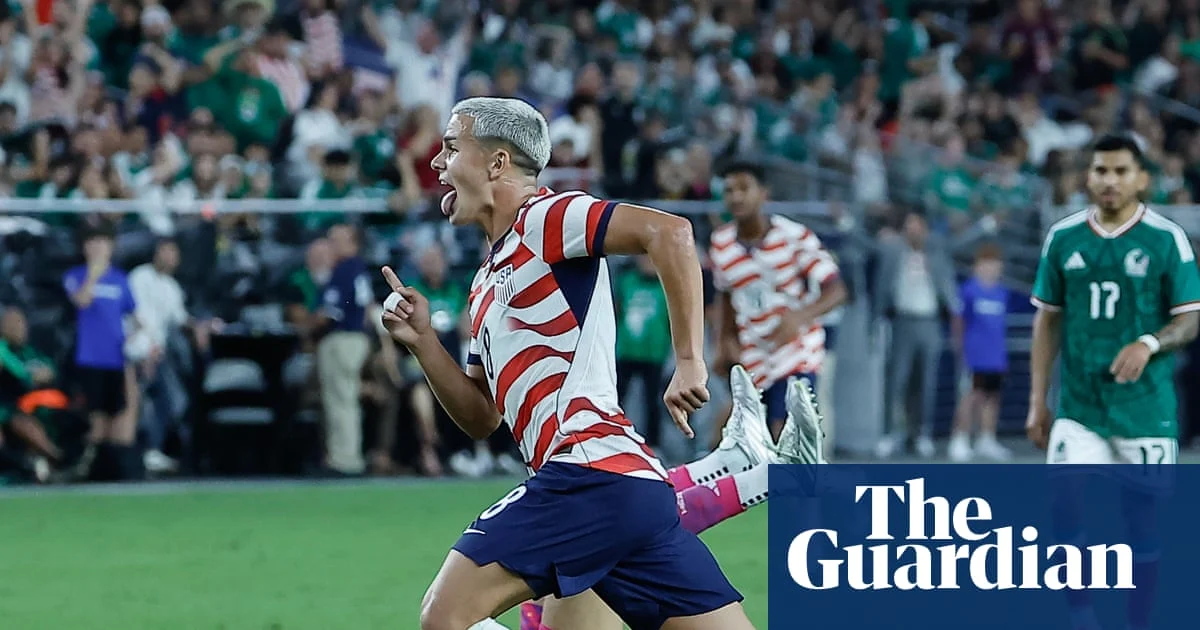
The USMNT youth movement is delivering historic opportunities for young players, with Cavan Sullivan becoming the latest teenager to earn a surprise start against Mexico.
According to Football | The Guardian, the post-World Cup youth movement has produced historic plays that feel natural, sustainable, and needed. Sullivan, then 17, described learning he would start as surreal, saying he texted his family and visualized positive outcomes before the match.
Key Facts
- USMNT youth movement producing historic plays
- Cavan Sullivan started vs Mexico at age 17
- Match resulted in 3-0 win for USMNT
- Sullivan visualized success before starting
- Post-World Cup youth movement feels sustainable
How Did We Get Here?
The current wave of USMNT youth stems from strategic investment following the World Cup. Rather than relying solely on established veterans, coaches began integrating teenagers into high-stakes matches. This shift reflects long-term planning aimed at building a deeper talent pipeline. The result has been a string of unexpected but effective performances from young players. Cavan Sullivan’s inclusion exemplifies this trend, showing how developmental programs are paying off on the biggest stages.
Young players are no longer fringe options but central figures in tactical decisions. Their confidence appears natural, backed by consistent training environments and clear pathways to senior selection. Coaches now view youth integration as essential rather than experimental. What happens next will likely determine whether this surge becomes a lasting transformation or a temporary spike. Early signs suggest sustainability, but only time will confirm.
Who Is Affected?
This movement impacts multiple stakeholders across American soccer. For aspiring teenage players, recent breakthroughs provide tangible proof that reaching the senior national team is achievable at younger ages. Youth academies gain credibility as legitimate feeder systems, strengthening recruitment and development frameworks nationwide. College scouts, professional clubs, and fans are witnessing a shift toward merit-based selection regardless of experience level. The broader community benefits from renewed optimism and increased engagement around domestic soccer infrastructure.
Established players must adapt by mentoring newcomers while maintaining competitive standards. International opponents now face unpredictable lineups featuring dynamic young talent unfamiliar to traditional scouting reports. Media coverage expands beyond veteran narratives to highlight emerging stories. Importantly, this evolution signals maturity within U.S. soccer leadership, demonstrating willingness to trust untested but promising individuals. How these dynamics balance moving forward remains crucial for continued success.
What Happens Next?
Upcoming fixtures will test whether current momentum holds under pressure. Future squad selections may include even more teenagers if initial results continue impressing evaluators. Monitoring individual progress becomes vital; some may stagnate while others exceed expectations. Long-term planning must address depth concerns should key prospects falter during transitions. Squad chemistry between age groups also warrants attention moving forward.
Player development timelines vary widely, making consistent follow-through challenging yet necessary. Coaching staff retain responsibility for managing expectations while maximizing potential contributions. External factors like injuries or form dips could disrupt ideal trajectories unexpectedly. Nonetheless, foundational groundwork laid through deliberate investment should support gradual advancement through ranks. Continued vigilance regarding adaptation speed ensures optimal outcomes throughout process.
What We Know — and What We Don’t
Verified by the source:
- Post-World Cup youth movement produced historic plays
- Cavan Sullivan started against Mexico at age 17
- USMNT won 3-0 in that match
- Sullivan said he texted family upon learning of start
- Sullivan visualizes success before games
Still unconfirmed:
- Exact number of youth players integrated recently
- Names of other affected teenagers beyond Sullivan
- Specific timeline for future squad announcements
- Identity of coach who selected Sullivan
- Long-term performance metrics tracking outcomes
The USMNT youth movement represents more than tactical experimentation—it reflects institutional commitment to sustainable growth through homegrown talent. This approach aligns with global best practices favoring early investment in domestic pipelines over short-term fixes. By empowering teenagers to contribute meaningfully, U.S. soccer builds resilience against cyclical downturns common in international competition. Additionally, showcasing local stars enhances fan connection and commercial appeal domestically and abroad.
Future developments will clarify whether current enthusiasm translates into enduring competitiveness or fades without follow-through. Success depends on maintaining balanced roster construction combining seasoned leaders with fearless newcomers. Strategic patience allows organic emergence rather than rushed promotions undermining confidence prematurely. Sustained focus on holistic development—including mental readiness—ensures preparedness scales appropriately with rising ambitions.
What To Watch
Future match selections will reveal whether Sullivan and peers maintain regular roles amid evolving team needs.
Why It Matters
These developments signal U.S. soccer’s shift toward sustainable, homegrown success rather than relying on aging stars.